Faith Rising in the Midst of War
- TranThuy
- February 28, 2026

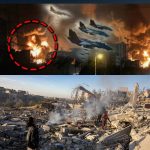
In the heart of the Gaza Strip — where the sound of conflict has too often drowned out ordinary life — stories of quiet spiritual awakening have begun to circulate among residents. Against a backdrop of разрушed streets and uncertain tomorrows, some families speak of deeply personal encounters that have reshaped their inner world. These testimonies do not emerge from comfort or stability, but from nights marked by fear, displacement, and longing for safety.
Amid shattered buildings and overcrowded shelters, several individuals describe vivid dreams and powerful moments of prayer in which they felt the presence of Jesus Christ in a way they had never experienced before. In whispered conversations, they recount sensing unexpected calm during bombardments or clarity during sleepless nights. For them, faith has become more than ritual — it has become a refuge, a shelter within the storm when physical shelter feels fragile.
These accounts are deeply personal and vary from person to person. Some describe symbolic visions filled with light; others speak simply of an overwhelming peace that replaced panic in a critical moment. While such experiences cannot be measured or universally verified, those who share them emphasize the emotional transformation they felt. In a setting where control over daily life is limited, the rediscovery of inner hope becomes profoundly significant.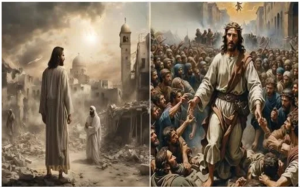
Religious scholars and humanitarian workers observing the region note that in times of extreme crisis, spirituality often intensifies. Faith traditions — whether long-held or newly embraced — can offer language for endurance and meaning when circumstances appear senseless. In Gaza, where generations have grown up amid instability, spiritual reflection becomes intertwined with survival. It is not necessarily about public declarations, but about sustaining the soul when everything else feels uncertain.
For many residents, these testimonies are not intended to make headlines or spark theological debate. They are intimate narratives of resilience. Parents speak of finding the strength to comfort their children. Young people describe discovering courage they did not know they possessed. In the silence of night, amid distant echoes of conflict, prayer becomes an act of quiet resistance against despair.
In a place long marked by hardship, these stories reflect a universal human longing for light in the darkest hours. Whether understood as miracle, mystery, or the remarkable resilience of the human spirit, one truth echoes through each account: even in war, hope still finds a way to rise. And sometimes, in the most fragile circumstances, faith becomes the strongest foundation of all.