The Tremor of Innovation: xAI and a $200 Billion Vision
- TranThuy
- February 28, 2026
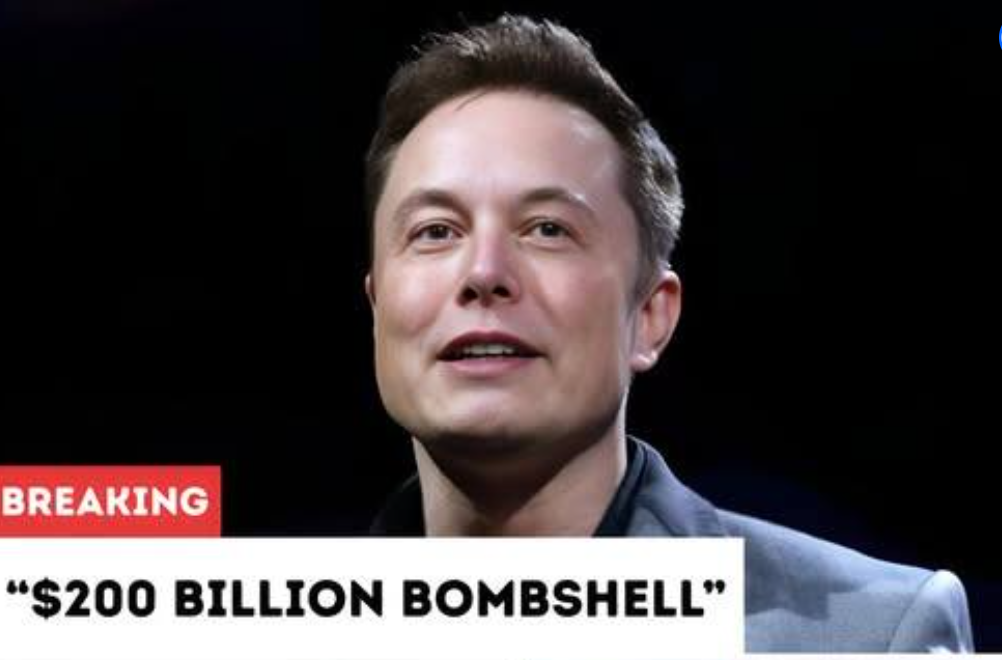
When Elon Musk makes a move, the world often feels the tremor. This time, the shockwave emerges from xAI, his ambitious artificial intelligence venture. Rumors of a staggering $200 billion data center project — so vast it nearly defies imagination — have sparked intense discussion across the technology sector. The scale alone suggests not just growth, but a dramatic escalation in the race to build the most powerful AI infrastructure on Earth.
This is not merely another tech expansion or incremental upgrade. A project of this magnitude would represent a bold attempt to reshape the digital backbone of our future. Towering server arrays, advanced AI chips, and immense cooling systems would form a computational engine capable of processing unimaginable volumes of data. At its core, such a facility would serve as the training ground for next-generation artificial intelligence systems, enabling breakthroughs at a speed rarely seen before.
The potential implications stretch far beyond the walls of a data center. Intelligence trained at unprecedented scale could transform education, healthcare, transportation, and scientific research. Algorithms refined through vast computational resources may accelerate drug discovery, climate modeling, robotics, and advanced automation. In this sense, the project is not simply about machines — it is about redefining how humanity learns, works, and dreams in an increasingly digital age.
Yet ambition at this scale inevitably raises complex questions. Massive AI infrastructure demands enormous energy resources, sustainable power solutions, and thoughtful environmental planning. It also intensifies debates around AI governance, safety, and ethical responsibility. As artificial intelligence grows more capable, society must balance innovation with accountability, ensuring that progress benefits humanity rather than destabilizes it.
For Musk, whose ventures like Tesla and SpaceX have consistently aimed at transformative impact, such a data center would fit a familiar pattern: build big, think long-term, and challenge conventional limits. His approach often blends audacity with infrastructure, creating platforms that support decades of technological evolution rather than short-term gains.
In one breathtaking announcement, Musk reminds the world that the future is not creeping forward — it is accelerating. Whether this $200 billion vision fully materializes or evolves into something different, its ambition alone signals a shift in scale and imagination. Somewhere within that colossal blueprint lies the possibility of reshaping industries, economies, and daily life itself. And in that possibility, the future feels closer — and faster — than ever before.