The Royal Lodge Files: How Epstein Used a King’s Estate to Conduct Secret Financial Meetings
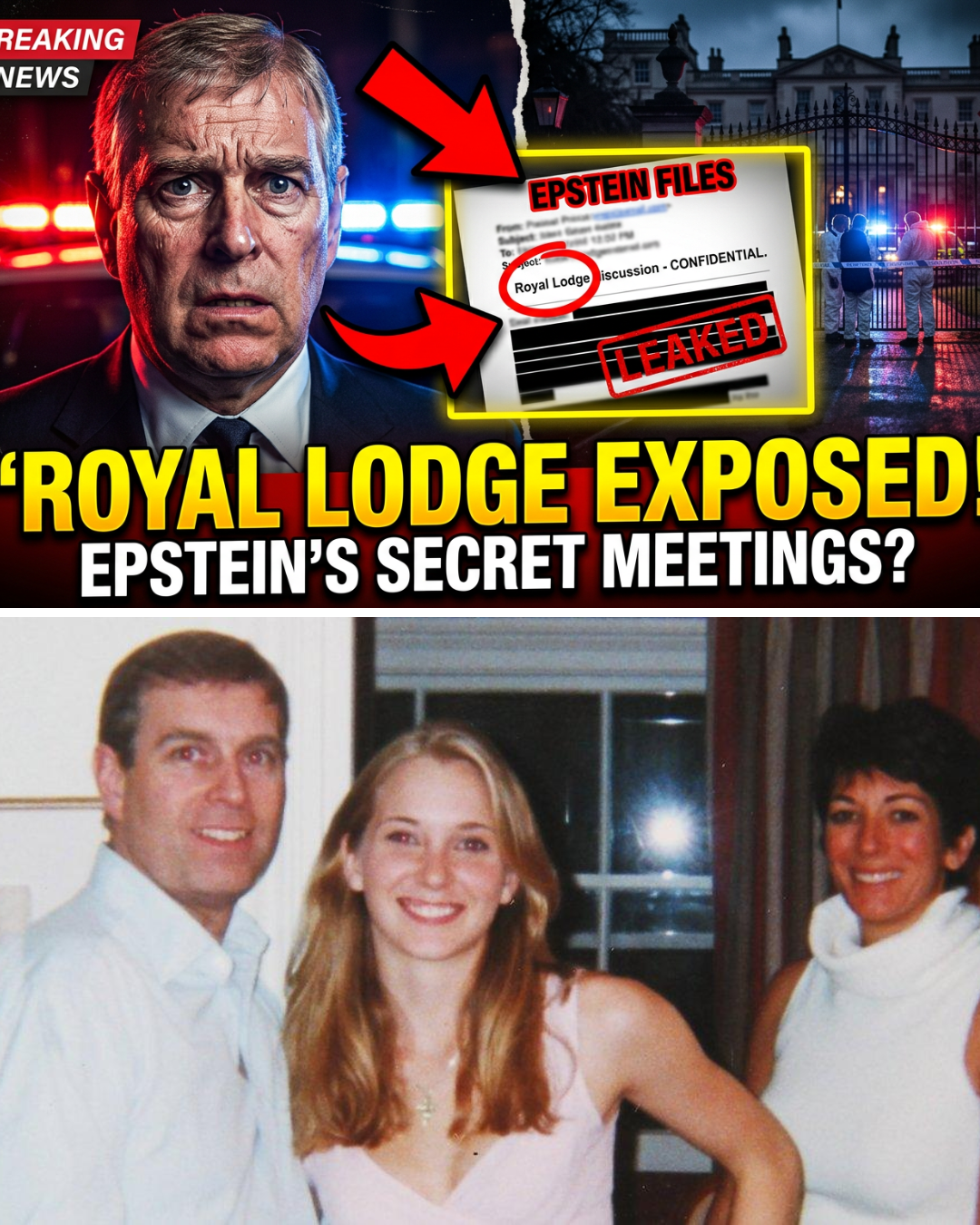
It was always dismissed as a private home. A sprawling, ivy-covered grace-and-favor residence that Andrew Mountbatten-Windsor had occupied since 2004, set within the protected grounds of Windsor Great Park. Royal Lodge was, to the public eye, simply where Andrew lived. But documents now emerging from the Jeffrey Epstein files paint a far more troubling picture. According to emails examined by investigators and released by the US Department of Justice, the estate served as something else entirely during the years of Andrew’s tenure as Britain’s trade envoy: a private venue for undisclosed financial meetings between Andrew and Epstein.
The emails, spanning the years 2009 to 2011, describe arrangements for financial discussions at Royal Lodge that involved Epstein at the height of his so-called “rehabilitation” in the eyes of international elites. Epstein had been convicted in the United States in 2008 of soliciting prostitution from a minor and had served just thirteen months of an eighteen-month sentence — a punishment so light it would later be described by federal prosecutors as one of the “most lenient” arrangements in American legal history. Yet during this period, emails reveal he was being welcomed into one of Britain’s most prestigious private properties.
The implications ripple outward in disturbing directions. Royal Lodge is not a private house in the conventional sense. It sits within Crown property, on land managed by the Crown Estate, adjacent to some of the most sensitive royal residences in the country. The idea that a convicted sex offender was being hosted there for “financial meetings” — meetings not disclosed to any British government official, according to current reports — raises profound questions about what else may have been discussed behind those walls.
Investigators from Thames Valley Police conducted searches of rooms at Royal Lodge in the days following Andrew’s arrest on February 19. What they were looking for has not been officially disclosed, but sources familiar with the investigation suggest that detectives are attempting to establish whether any documentation from those meetings still exists, and whether there are records of who else may have been present.
There is a particular irony in the architecture of this scandal. Andrew was stripped of his residency at Royal Lodge in one of King Charles’s most public repudiations of his brother — an eviction that, at the time, seemed like the ultimate form of royal punishment. Now the Lodge itself has become a crime scene of sorts, its rooms mapped by forensic officers, its history rewritten in light of what was allegedly happening inside during the years when its occupant was representing the British state.
Sources who worked in Andrew’s office during his trade envoy years have described a culture of almost total deference. “Nobody questioned him,” one former staffer told British media. “He was a prince. You just assumed that what he was doing was somehow sanctioned at the highest level.” Whether it was, or whether Andrew operated as a unilateral actor in a private arrangement with the world’s most notorious financier, is the question that now sits at the heart of both the criminal investigation and a deeply rattled monarchy.
The Royal Lodge, once a symbol of royal privilege and grace, is now a symbol of something far darker. It is a reminder that the most dangerous secrets are rarely the ones locked in government vaults. Sometimes they are kept behind perfectly manicured hedgerows, on an estate where no one thought to ask any questions.