Clinton on the Hill: When ‘I Saw Nothing’ Becomes the Most Consequential Four Words in Washington
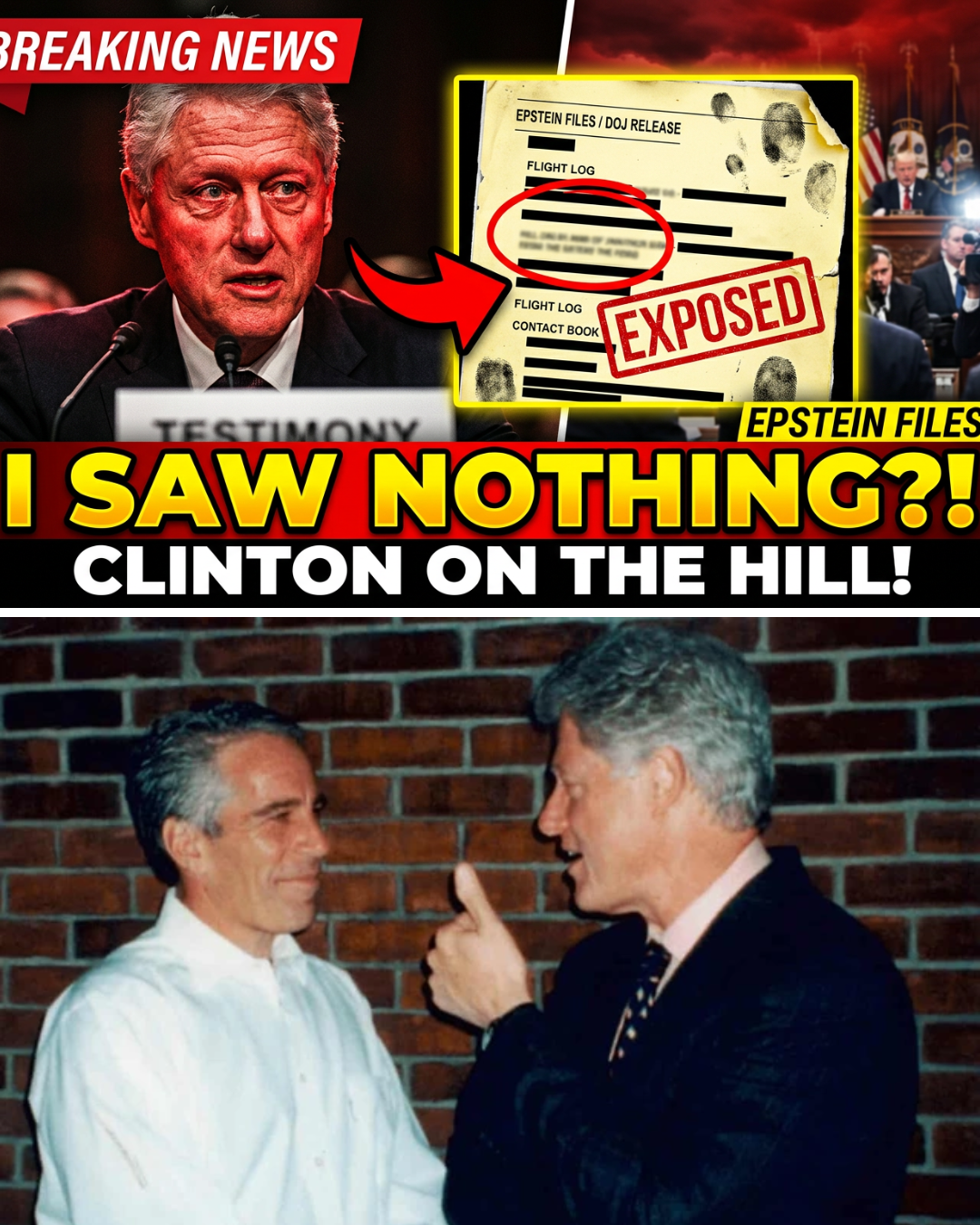
Bill Clinton’s appearance before a congressional panel investigating Jeffrey Epstein on February 26 was always going to be explosive. What few anticipated was that it would be simultaneously explosive and entirely unsatisfying — a combination that in Washington, more than anywhere else, tends to produce the most enduring and damaging political aftershocks.
Clinton’s testimony, in which he told the committee that he “saw nothing” related to Epstein’s crimes during his interactions with the disgraced financier, lands in 2026 in a very different environment than it would have in almost any previous era. The Epstein files, released in waves by the Department of Justice since January, contain millions of documents that paint a detailed, specific, and sometimes photographic record of who was where, when, and in whose company. In that context, the assertion of “I saw nothing” carries a weight that it would not have carried before the documents existed.
Clinton’s connection to Epstein has been a subject of scrutiny for years. He flew on Epstein’s private jet — sometimes referred to in media coverage as the “Lolita Express” — on multiple occasions. His name appears in Epstein’s contact book. Documents and testimonies from former associates of Epstein describe interactions between the two men that go beyond the occasional charity gala encounter and into a relationship of genuine proximity.
The congressional hearing was structured around three central questions: What did Clinton know about Epstein’s trafficking operation? When did he know it? And did he take any action? His answers, by all accounts, were designed to assert ignorance without providing specific denials that could be falsified by the documents. This is not an unusual legal strategy — it is, in fact, the classic “I cannot recall” approach that has served witnesses before congressional panels for generations. But it is an approach that, in the current information environment, has a half-life measured in hours.
The reason is simple. Investigators, journalists, and the sheer volume of the Epstein document release mean that any specific claim made by a witness before Congress can be cross-referenced against millions of pages of correspondence, flight logs, photographs, and financial records within days. “I saw nothing” is not falsifiable as a statement about internal mental states. But it is implicitly falsifiable as a statement about what was observable in any given interaction — and the documents, according to researchers who have begun to work through them, contain details about those interactions that may test that claim severely.
Beyond Clinton himself, the hearing was significant as a piece of institutional theater. Congress is signaling — to the American public, to Epstein’s surviving associates, and to any other powerful figure who may appear in the documents — that the appetite for accountability extends even to former presidents. Whether that accountability will ultimately materialize in any form beyond testimony and negative headlines is a separate question. The hearing itself was the message, and the message was: no one is beyond the reach of this investigation.
The most dangerous four words in Washington right now may not be any declaration of knowledge. They may be the declaration of its absence.