The Epstein Files Go Global: From London to New Delhi, How One Man’s Rolodex Is Reshaping International Politics
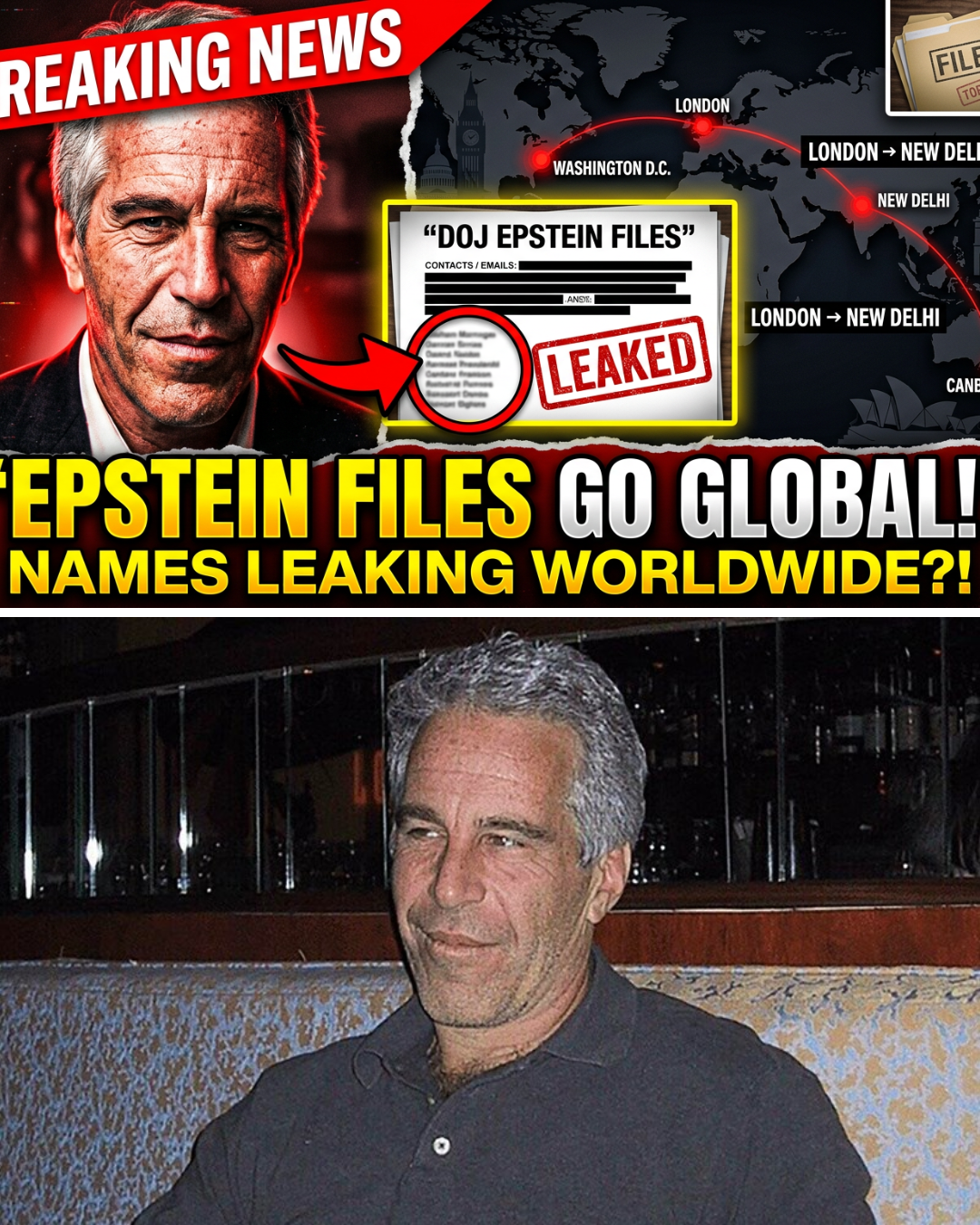
When the Department of Justice first began releasing the Epstein files in early 2026, the initial focus was predictably Anglo-American. British royals. American politicians. Financiers, lawyers, and fixers who operated in the gilded corridors of New York, Palm Beach, and London. But the documents have not stayed within those borders. As researchers, journalists, and intelligence analysts have worked through the millions of pages of correspondence, emails, and records, a global picture has emerged — one that stretches from Westminster to New Delhi, from Washington to Canberra, and that implicates, directly or tangentially, figures at the very apex of power in multiple countries.
India’s name entered the Epstein file conversation in early February, when Al Jazeera reported that the latest releases included emails and messages between Epstein and powerful figures in India. The specific details — which Indian officials, what the nature of the communications was, and what, if anything, Epstein received or offered in return — remain the subject of ongoing reporting. But the fact of the connection has generated immediate political turbulence in a country where Epstein was almost entirely unknown outside elite circles.
Australia’s former ambassador Kevin Rudd is among the international figures whose names have surfaced in the documents. Slovakia has also been mentioned. The pattern, as it emerges, suggests that Epstein’s network was not an American phenomenon exported to select foreign allies. It was a genuinely global operation, with tentacles in every major economy and every significant center of political power.
What gave the network its global reach was not any single type of relationship. The Epstein files describe a strikingly diverse range of connections. Some individuals received money. Some provided information. Some attended gatherings at Epstein’s various properties. Some appear to have had no knowledge whatsoever of the trafficking operation and simply knew Epstein in professional or social contexts. The challenge for investigators, journalists, and the public is to distinguish between these categories — to separate the complicit from the compromised, the knowing from the naive.
That distinction matters enormously for international politics. A government minister who attended a dinner at Epstein’s New York townhouse in 2008, unaware of what was happening in the rooms upstairs, is in a fundamentally different moral and legal position from a minister who exchanged confidential government information for financial favors. Yet both names appear in the same documents, and in the viral-information environment of 2026, the documents themselves are what matters, not the nuance.
Several governments have responded to the appearance of their nationals in the files with a mixture of official investigation and political damage control. The British government’s reaction — moving swiftly against Mandelson, backing the investigation into Andrew — represents the most aggressive institutional response. Other governments have been more cautious, waiting to see precisely what the documents say before deciding how to respond.
What the Epstein files have revealed, above all, is that the architecture of elite global power is simultaneously more connected and more vulnerable than most people imagined. Epstein was not simply a sex offender who happened to know powerful people. He was a node in a network — a collector and custodian of the kind of access, information, and leverage that constitutes real power in the modern world. And the documents he left behind are now systematically dismantling that network, one country, one name, and one headline at a time.