The BAFTA Moment: When Live TV Exposed the Tension Between Inclusivity and Accountability
The BAFTA Film Awards are designed to be a celebration. Red carpet glamour, speeches of gratitude, the announcement of cinema’s highest British honors in front of a live audience and a global television broadcast. What happened at this year’s ceremony was none of those things — or rather, it was all of those things, and then suddenly, shockingly, something else entirely.
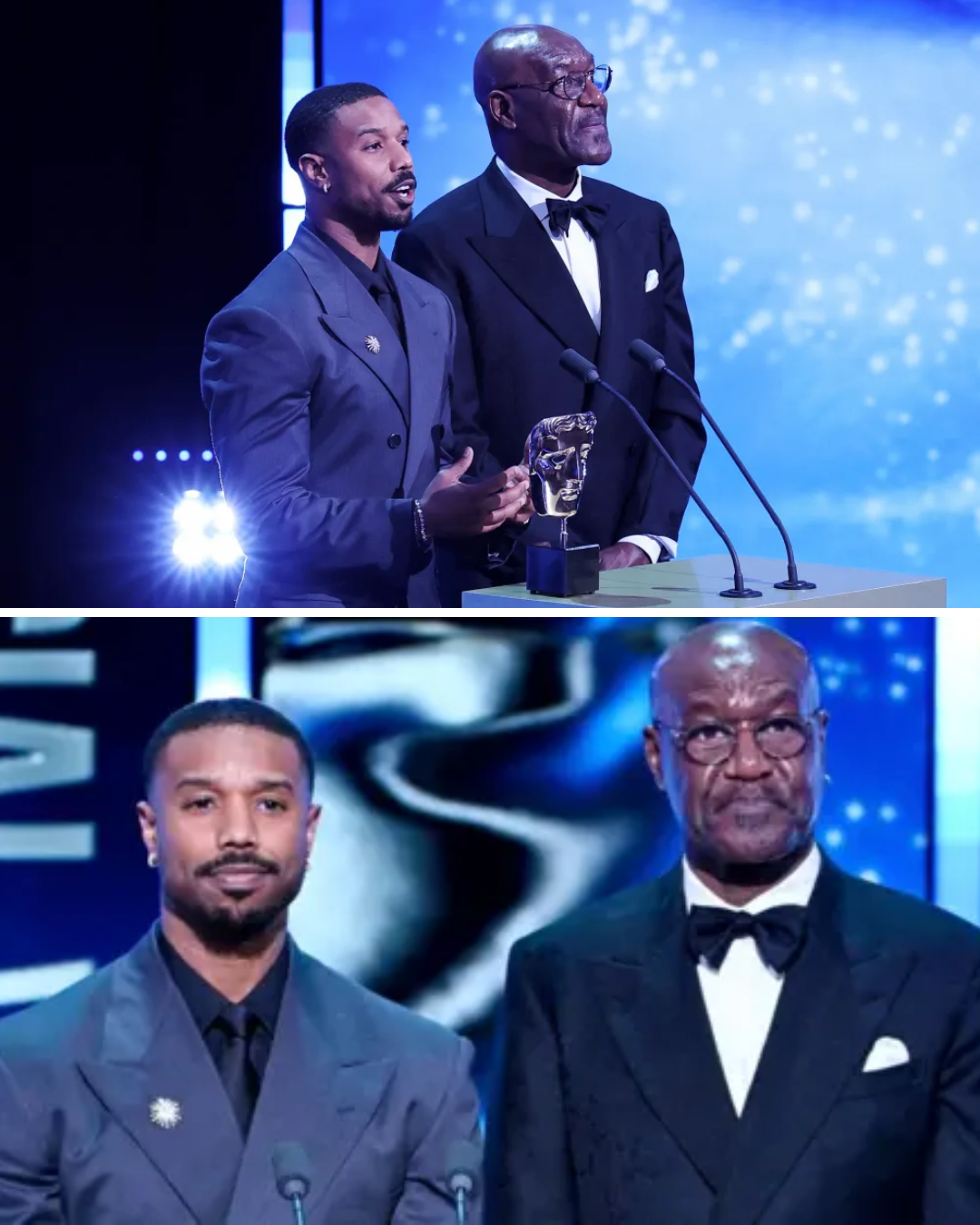
During a live segment in which actors Michael B. Jordan and Delroy Lindo were presenting an award on stage, a racial slur was broadcast to the BBC’s audience. The utterance came from John Davidson, identified in subsequent reporting as a Tourette’s syndrome advocate who experiences involuntary verbal tics. The BBC, which broadcast the ceremony, described the incident as a “grave error” in its production and announced an expedited inquiry. Culture Secretary Lisa Nandy called the broadcast “completely unacceptable and harmful.”
The incident has exposed a genuinely difficult question — one that has no clean or comfortable answer — about how live broadcasting should handle the risk of involuntary behavior in high-profile settings. Davidson, as a Tourette’s advocate, presumably attended the ceremony both as a professional representative of the condition and as a person who understands better than anyone the uncontrollable nature of its verbal manifestations. His presence was presumably known to BAFTA organizers. The question of whether adequate precautions were in place, and whether the broadcast should have had a time delay sufficient to prevent a racial slur from reaching air, will be central to the BBC’s internal review.
But the incident raises a second, darker question that cultural commentators are only beginning to engage with. The racial slur was directed, at least in contextual proximity, toward one of the two Black presenters on stage at the time. Both Michael B. Jordan and Delroy Lindo are internationally celebrated figures. Their experience of that moment — hearing a slur broadcast at an awards ceremony in their honor — is the human core of this story, and it has received significantly less attention than the procedural question of how the BBC allowed it to happen.
BAFTA has spent several years undertaking significant internal reforms around diversity and inclusion, following widespread criticism of its nomination practices and the homogeneity of its membership base. The awards ceremony, in 2026, included a notably more diverse range of nominees and presenters than in previous years. The incident, in that context, carries a particular and painful irony. An event designed to celebrate progress was interrupted by a moment that reminded everyone in the room, and everyone watching at home, that progress is never linear, and that the most progressive environments are not immune to the most regressive language.
The BBC’s “grave error” framing is accurate as far as it goes. But it addresses only the institutional failure of broadcast production. It says nothing about the experience of the people on stage, or about what it means that a racial slur could reach a live broadcast in 2026 during one of Britain’s most prestigious cultural events. Those are not production questions. They are questions about the society the broadcast reflects — and they deserve more than an expedited inquiry and an apology.