THE DEATH OF A SUPREME LEADER — Who Killed Khamenei, and What Comes After?
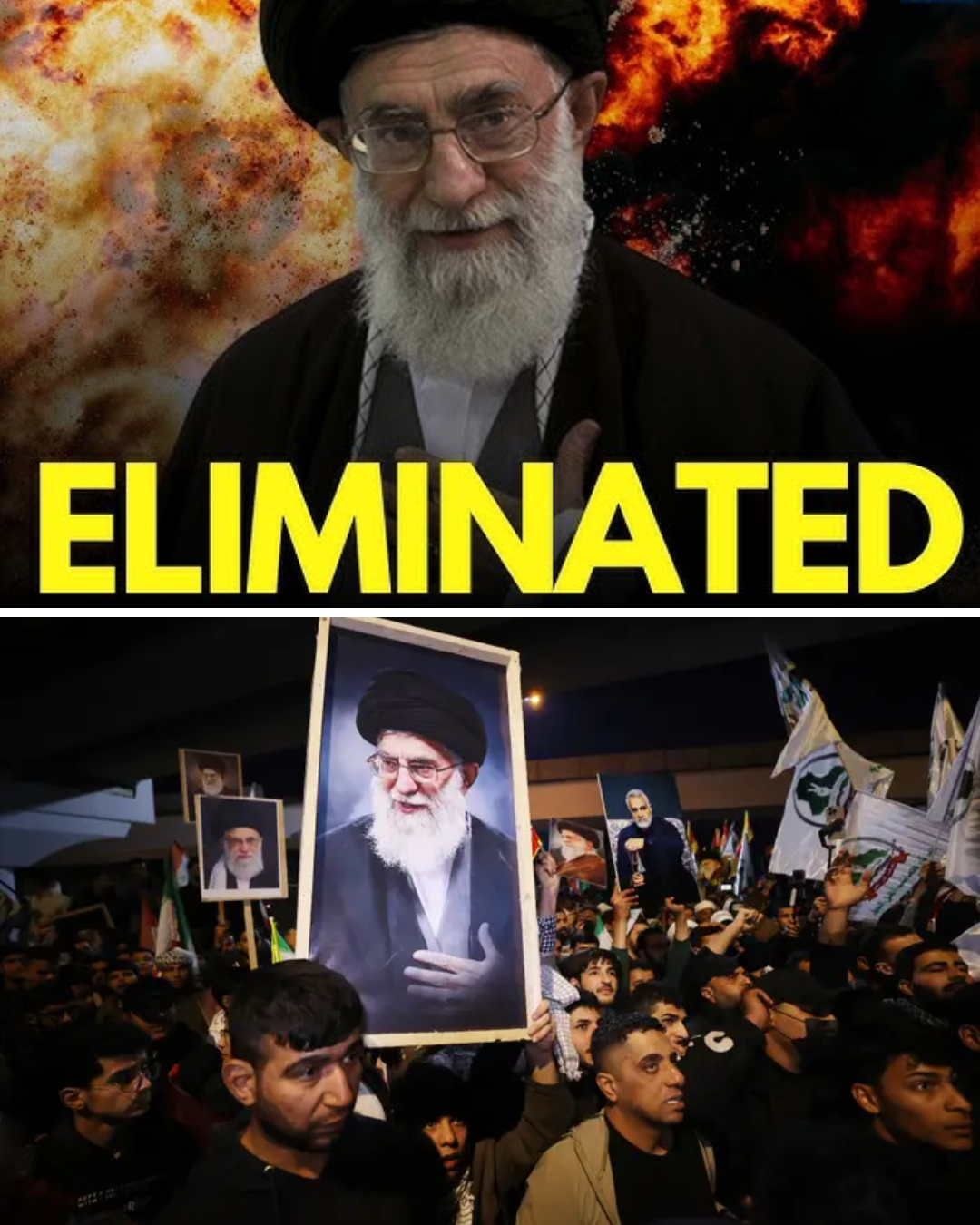
The death of Ayatollah Ali Khamenei, confirmed by Iranian state media on Saturday, February 28, marks the end of a 36-year reign over the Islamic Republic of Iran — and the beginning of the most dangerous power vacuum the Middle East has seen in decades. Khamenei, 86, was killed in an Israeli airstrike that U.S. officials later confirmed was enabled by American intelligence identifying his precise location through what President Trump described as “highly advanced tracking systems.” The question that now transfixes intelligence agencies, foreign ministries, and regional governments across the world is both urgent and deeply unsettling: What happens to a theocracy when its supreme leader is assassinated mid-war?

The killing was not incidental. Multiple sources confirm that decapitating the regime’s leadership was a primary objective of Operation Epic Fury from its inception. U.S. and Israeli planners reasoned that removing Khamenei would create a catastrophic crisis of legitimacy within the IRGC and the clerical establishment simultaneously — forcing an impossible choice between continued resistance and negotiated surrender. The logic was seductive, rooted in the post-Soleimani playbook: eliminate the irreplaceable figure, and the system fractures.
But Iran’s theocratic structure is not simply a personality cult. It is a complex web of interlocking religious, military, and bureaucratic institutions that has survived assassinations, sanctions, uprisings, and wars for nearly five decades. The Assembly of Experts — Iran’s clerical body empowered to appoint a new Supreme Leader — was already deeply fractured even before Saturday’s strikes. Now, with key figures potentially killed or in hiding, the question of succession becomes a live military and political crisis unfolding in real time.

Three scenarios are currently being debated by Iran analysts. The first is rapid regime collapse: with Khamenei dead, the IRGC’s loyalty fractures between hardliners determined to fight and pragmatists seeking survival. Trump’s invitation to IRGC personnel to “lay down weapons and receive immunity” was calculated precisely to exploit this fracture. Early reports suggested some IRGC units were already attempting to seek immunity arrangements — though the reliability of such claims in the fog of war is inherently uncertain.
The second scenario is protracted resistance under a shadow leader: Iran has deep experience operating under existential pressure. A surviving senior cleric — potentially hardliner Mojtaba Khamenei, the late leader’s son, or a figure elevated by the remaining Assembly members — could assume authority and direct a grinding asymmetric war campaign that bleeds U.S. forces and regional allies for years. This scenario, less discussed in Western capitals, may prove the most likely. Iran’s extensive network of regional proxy forces — Hezbollah, Houthi remnants, Iraqi militias — provides a distributed warfare capability that does not depend on Tehran’s central command.
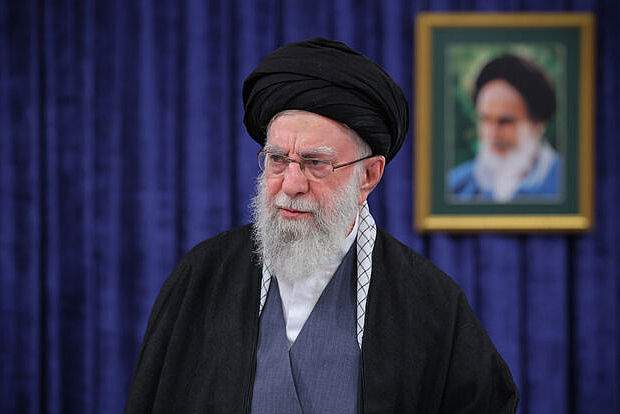
The third scenario, and the one most fervently advocated by Iranian opposition figures in exile, is popular revolution: the Iranian people themselves, already galvanized by the January massacre of thousands of protesters, pour into the streets and physically dissolve the remaining instruments of state repression. Reza Pahlavi, son of the late Shah, issued a statement Saturday declaring: “The aid that the President of the United States promised to the brave people of Iran has now arrived.” Pahlavi called on military and police forces to join the people rather than go “down with Khamenei’s sinking ship.”
History, however, offers a sobering counterpoint. The assumption that military decapitation automatically produces democratic transition is a fantasy that has been disproven repeatedly — in Iraq, in Libya, in Syria. What typically fills the vacuum is not democracy but chaos, civil war, and factional violence that can prove deadlier than the regime it replaced.
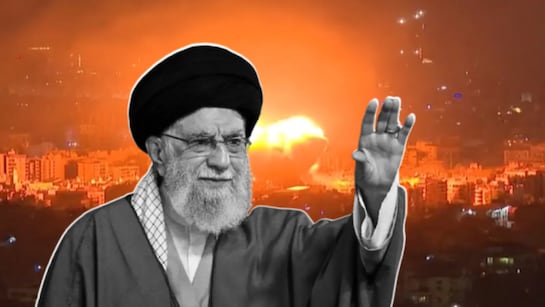
Khamenei’s death is unquestionably a historic inflection point. Whether it proves to be the fall of a tyranny or the opening of an abyss remains the defining question of 2026.