BAHRAIN IS BURNING — Iran’s Strike on the U.S. Fifth Fleet and the Fragility of American Naval Dominance
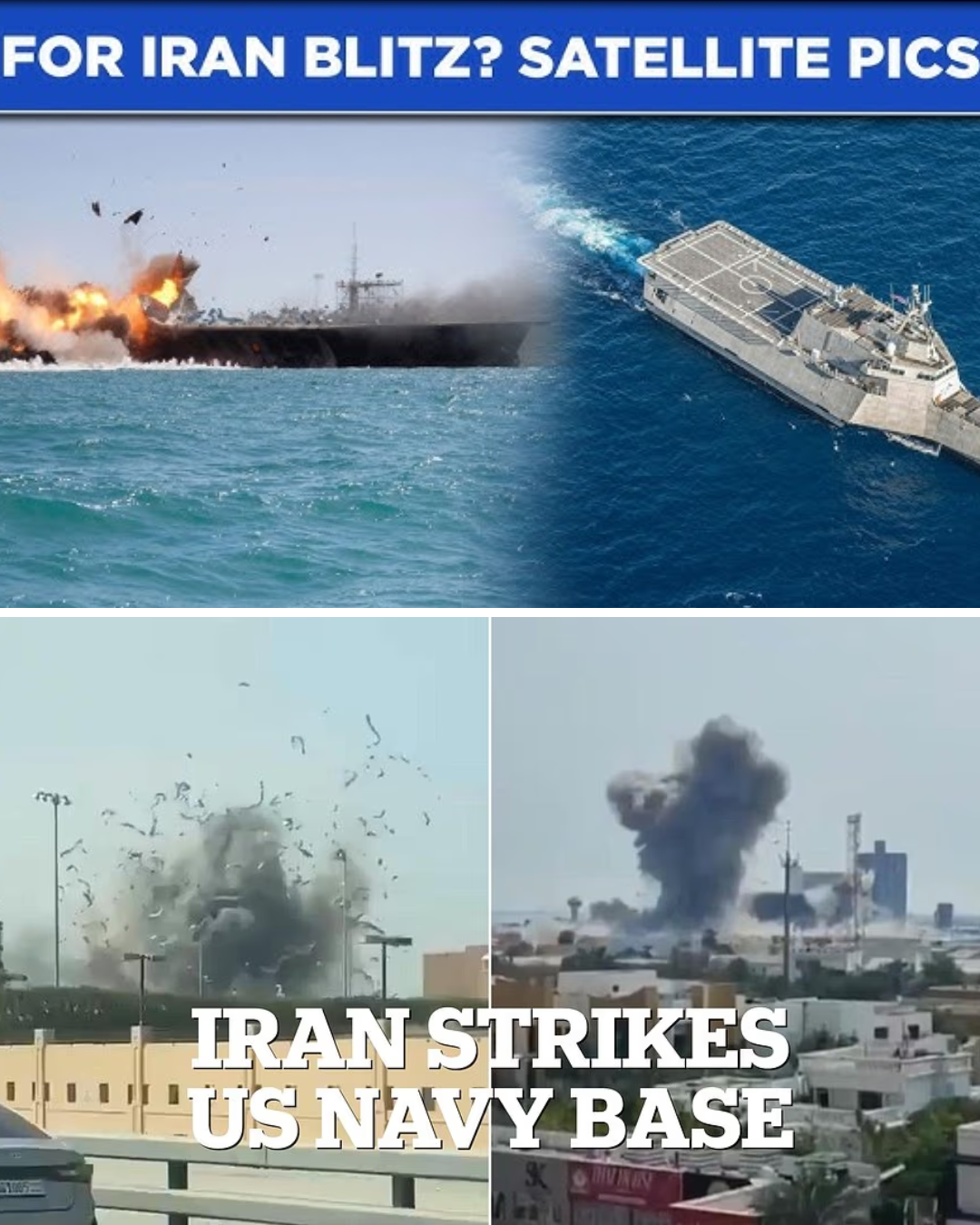
The images that emerged from Manama, Bahrain, on the morning of February 28 were unlike anything seen in the Persian Gulf in living memory: smoke rising above the skyline, emergency sirens echoing through the capital, and satellite imagery confirming Iranian ballistic missiles had struck in the vicinity of the U.S. Navy’s Fifth Fleet headquarters — the operational hub of American naval power in the entire Middle East.
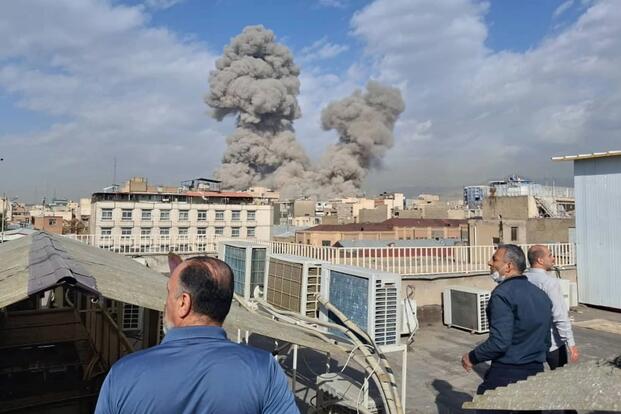
The attack on the Fifth Fleet facility was Iran’s most symbolically loaded retaliatory strike, targeting not merely a military asset but the institutional centerpiece of U.S. regional dominance for the past three decades. CENTCOM confirmed the base was struck, though it characterized damage as minimal and reported no U.S. combat casualties — a claim that, while likely accurate in terms of personnel losses, obscures the deeper strategic significance of what occurred. For the first time in history, an adversary had successfully put ordnance on American soil, so to speak — striking a base on the territory of a treaty partner in the heart of the Gulf.
The Bahrain strike raises immediate questions about the adequacy of U.S. air defense architecture in the region. The BBC noted that between 2024 and 2026, U.S. forces had intercepted nearly 400 Houthi drones and missiles — a track record that suggested considerable defensive capability. Yet Iran’s February 28 salvo — reportedly hundreds of missiles and drones launched simultaneously across multiple axes — appeared designed specifically to saturate and overwhelm these defenses, identifying the threshold at which even sophisticated systems like THAAD and Patriot begin to degrade under sheer volume.
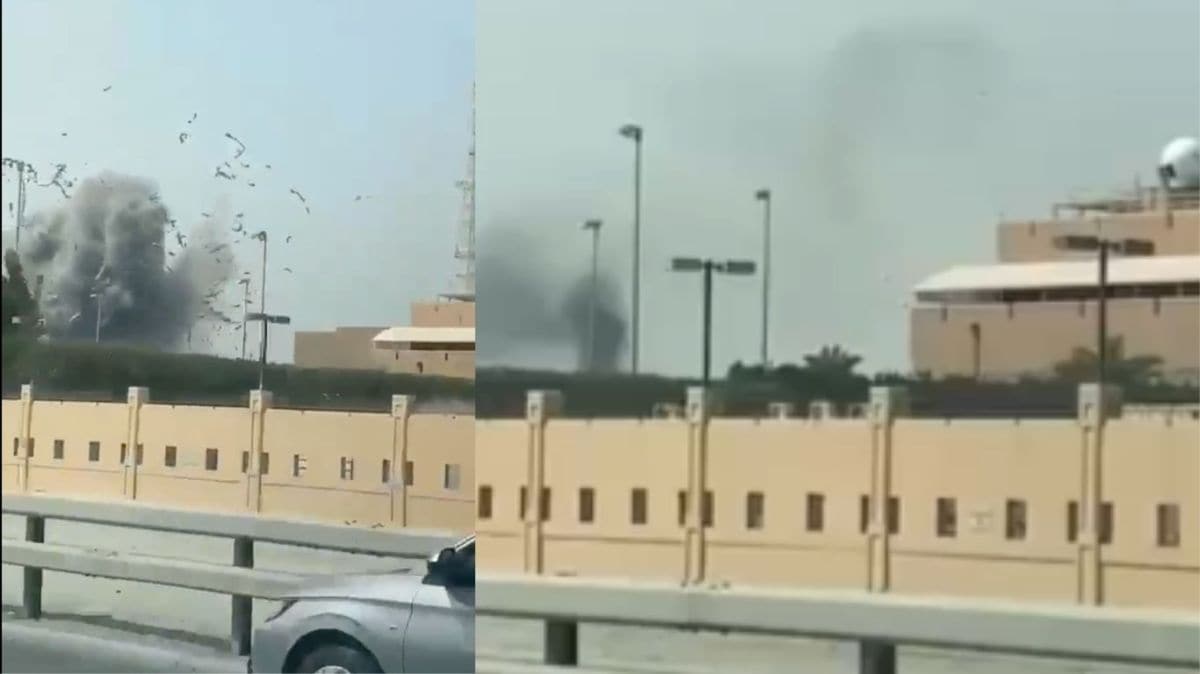
Particularly revealing was the report that the U.S. Navy had, in the days leading up to the strikes, already quietly withdrawn vessels from the Bahrain base in anticipation of Iranian retaliation. While this prudent pre-positioning undoubtedly saved American naval assets, it also confirmed something troubling: Washington knew the base was vulnerable, moved its most valuable assets out, but left the facility — and potentially personnel — exposed. The question of who remained at the Fifth Fleet headquarters when Iranian missiles arrived demands a full accounting.
Iran also struck the Aldeid Base in Qatar, Ali Al Salem Air Base in Kuwait, Dhafra Air Base in the UAE, and military installations in Jordan, claiming strikes on a total of 14 U.S. bases across the region by Saturday evening. The geographic spread of these attacks was deliberate and sophisticated — not a single retaliatory strike but a coordinated, multi-theater assault designed to demonstrate that Iran possesses the capability and the will to hold the entire architecture of American military presence in the Gulf at risk simultaneously.
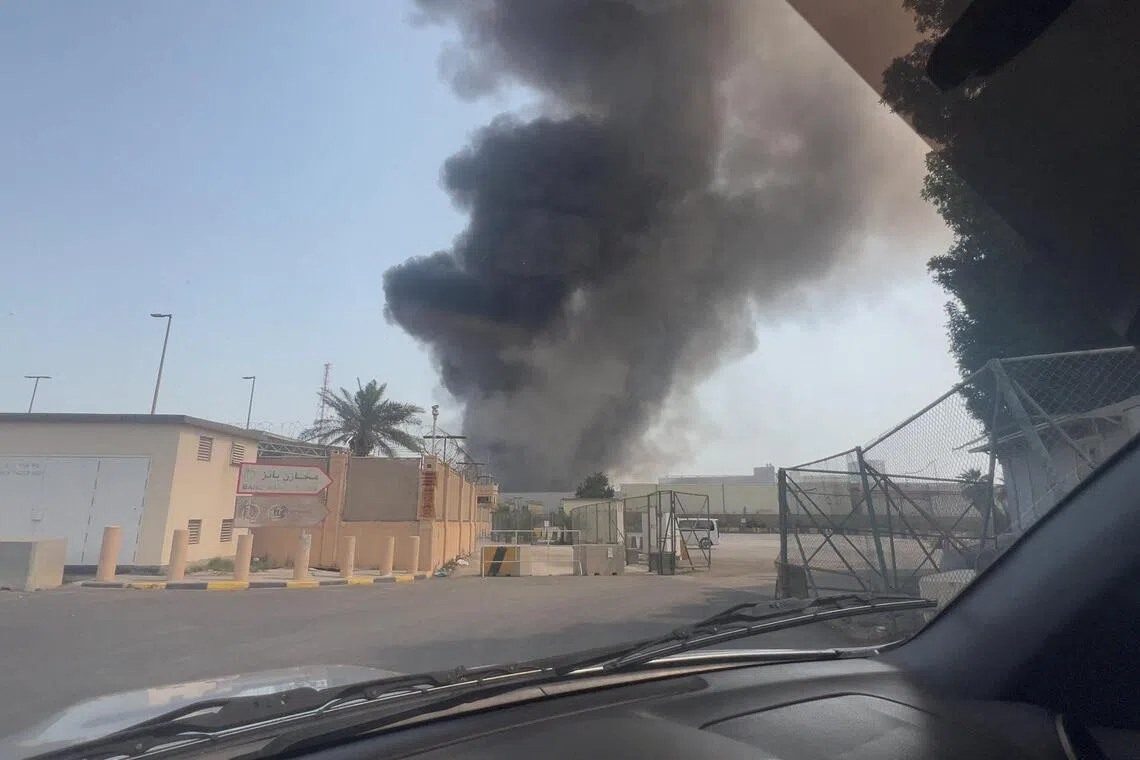
Gulf states that have long relied on U.S. protection as the cornerstone of their security now face an uncomfortable reckoning. Bahrain’s government condemned Iran’s strike as “a violation of its sovereignty.” Saudi Arabia, the UAE, and Qatar found explosions on their soil despite having no formal role in Operation Epic Fury. The implicit message from Tehran was stark: hosting U.S. forces makes you a target, regardless of your own foreign policy choices. This is precisely the pressure Iran has long sought to apply to fracture the Gulf Cooperation Council’s accommodation of American military presence.
For American military planners, the Bahrain strike — even if tactically limited in damage — represents a doctrinal challenge. U.S. naval strategy in the Gulf has long assumed that deterrence would prevent adversaries from directly striking American facilities. That assumption is now empirically dead. The Fifth Fleet has been fired upon. Whatever CENTCOM’s casualty reports say, the strategic landscape of the Persian Gulf changed permanently on February 28, 2026.