THE REGIONAL DOMINO EFFECT — How Iran’s Missiles Put Every Gulf State in the Crossfire
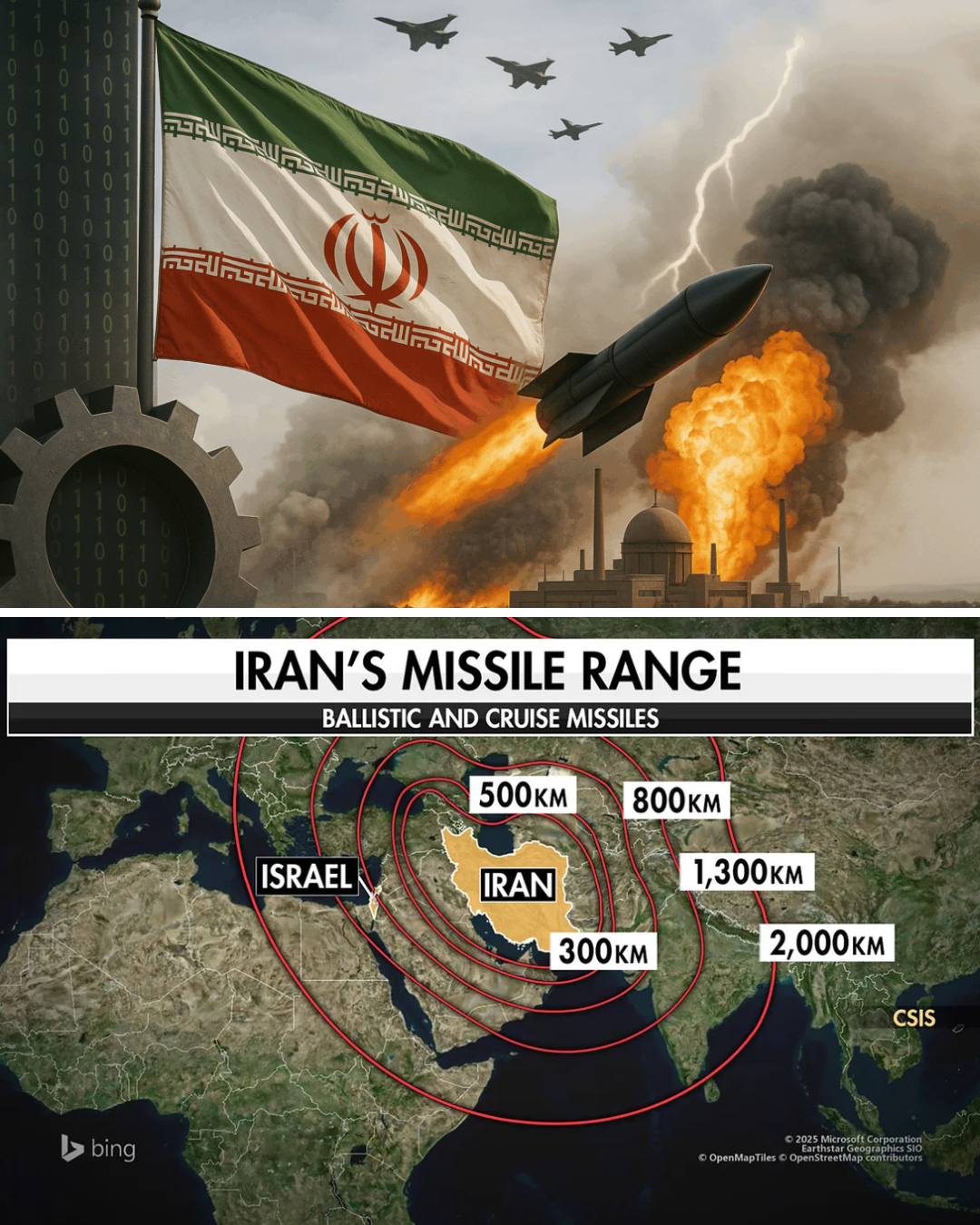
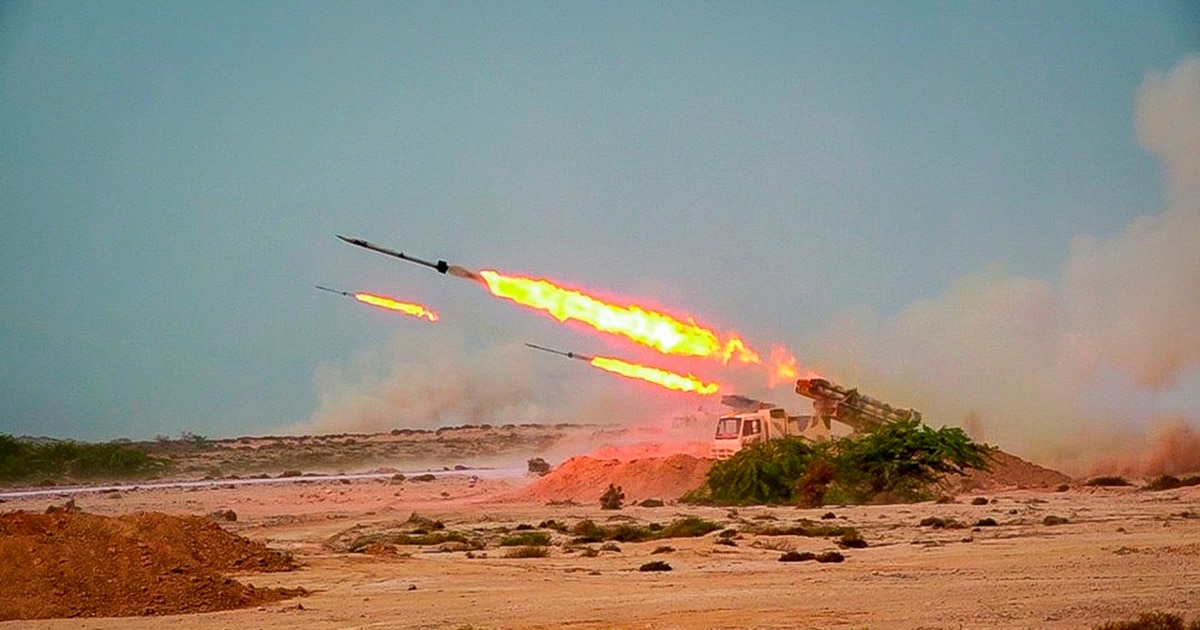
When Iran’s ballistic missiles began falling across the Persian Gulf region on the morning of February 28, they landed on soil that belonged not to Iran’s declared enemies but to states that had spent years carefully calibrating their relationships with Tehran to avoid precisely this moment. The strikes on Qatar, Bahrain, Kuwait, the UAE, and Jordan were not random acts of desperation — they were a calculated geopolitical message, delivered in the language of explosives: there is no neutral ground in this war.

The Gulf Cooperation Council states have long operated under a strategic ambiguity that served their interests well. They host U.S. military forces — the Fifth Fleet in Bahrain, CENTCOM’s forward headquarters at Al Udeid in Qatar, key Air Force assets at Dhafra in the UAE — while simultaneously maintaining diplomatic and economic channels with Iran. Saudi Arabia had only recently normalized relations with Tehran through Chinese mediation. The UAE maintained significant trade flows with Iran despite international sanctions. These were not acts of naivety but sophisticated hedges against the uncertainty that any Gulf state must navigate when sandwiched between competing superpowers.
That hedging strategy was obliterated on February 28. Iran’s strikes on U.S. bases in these countries were legally and politically attacks on the sovereign territory of GCC members, regardless of the facilities’ American character. Bahrain said so explicitly, condemning Iran’s attack as “a violation of sovereignty.” The UAE, Qatar, and Saudi Arabia found explosions and missile impacts on their soil. The logic of GCC neutrality collapsed in real time.
The strategic implications for Gulf security architecture are enormous. For decades, the U.S. security guarantee has been the foundation of Gulf state policy — the bedrock assumption that hosting American forces provided protection rather than exposing the host nation to risk. Iran’s February 28 salvo inverts that calculus, at least in the short term. By demonstrating the ability and willingness to strike U.S. facilities on GCC soil, Tehran is forcing Gulf governments to ask a question they have long avoided: Is the American security umbrella an asset or a liability when Washington decides to go to war?
Jordan’s position is particularly delicate. A frontline Arab state that shares a border with both Israel and Iraq, Jordan has long served as a crucial intermediary and intelligence partner for U.S. operations in the region. Iranian missiles striking U.S. assets in Jordan put King Abdullah II in an impossible position — caught between his strategic partnership with Washington and a domestic population with deep sympathy for Palestinians and profound skepticism of American military adventures in the Muslim world.

The long-term geopolitical winner from this dynamic may not be Washington or Tehran but Beijing. China had already advised its citizens to evacuate Iran “as soon as possible” before the strikes began — a sign of advance intelligence awareness that raised eyebrows in Western capitals. With U.S. credibility as a stabilizing force in the Gulf now severely tested, and with Gulf states suddenly experiencing the concrete costs of American military adventurism on their own territory, Beijing’s pitch as an alternative security patron — non-interventionist, commercially focused, and not in the business of bombing its partners’ neighborhoods — may find a more receptive audience in Riyadh, Abu Dhabi, and Doha than it ever has before.