CHINA’S EVACUATION ORDER — What Did Beijing Know, and When Did It Know It?
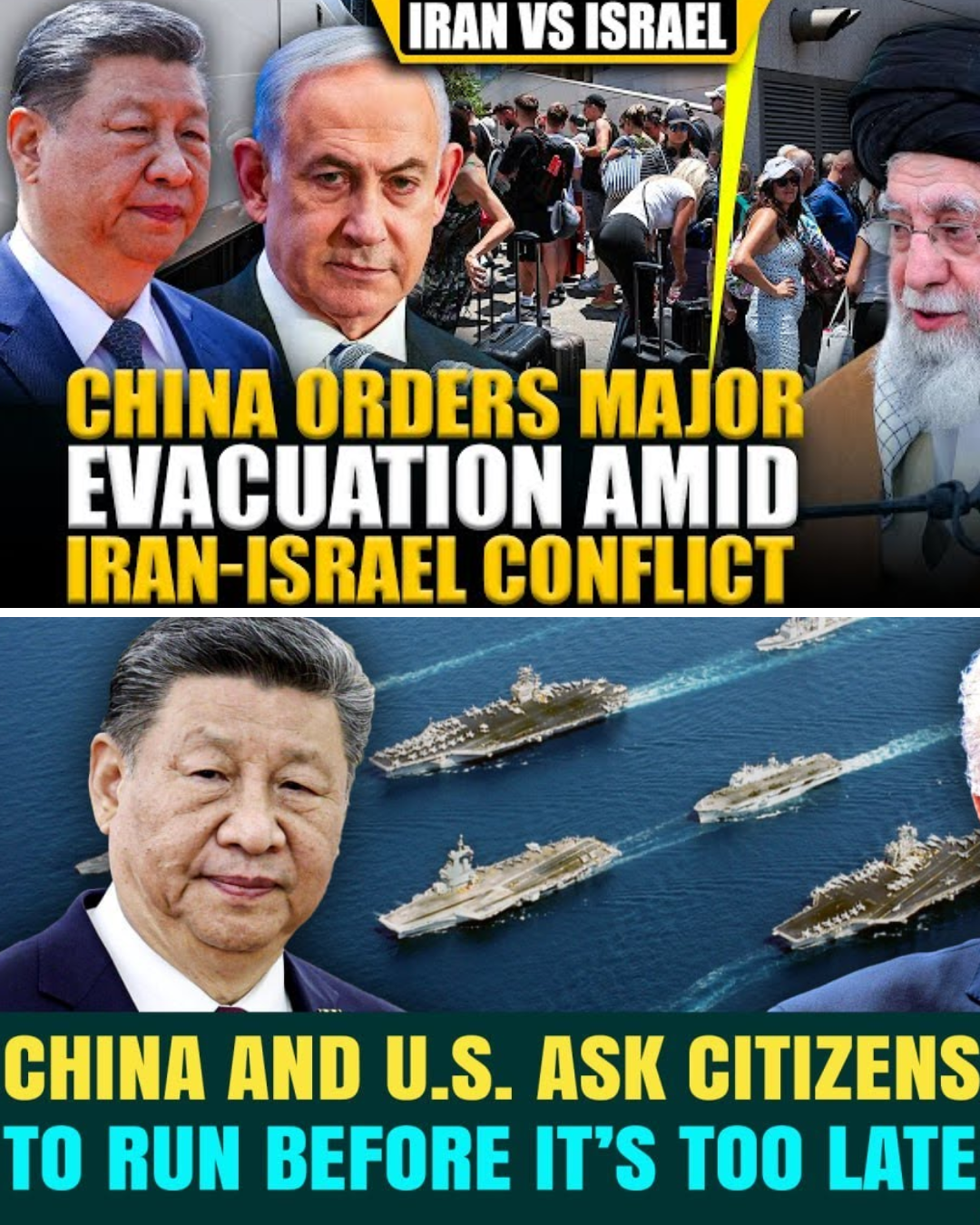
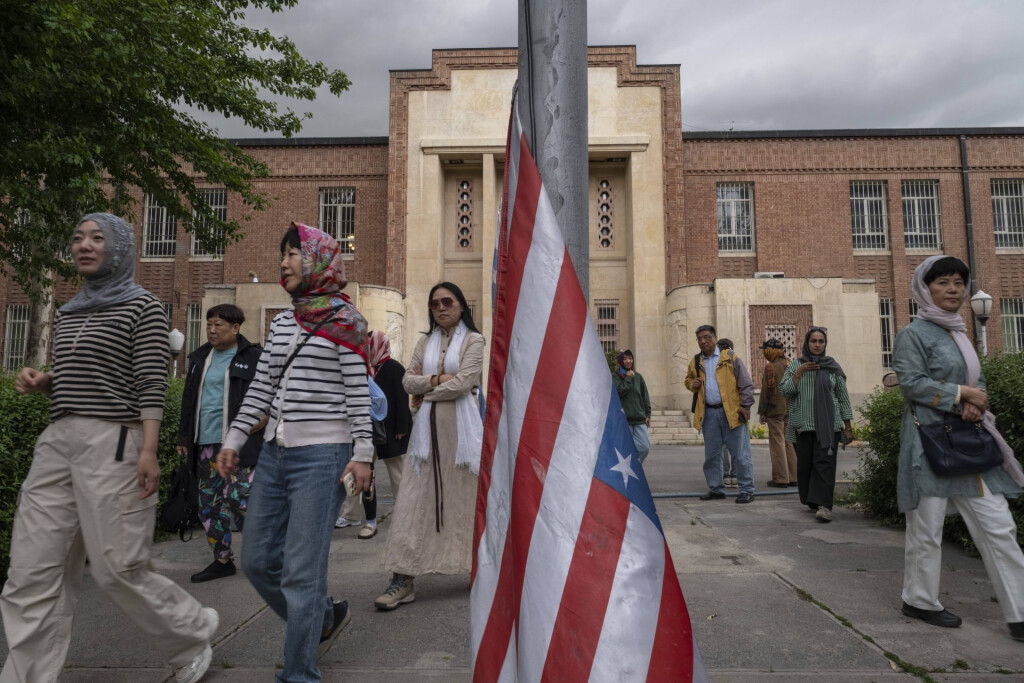
In the hours before U.S. and Israeli bombs began falling on Iran, China quietly advised its citizens to evacuate the country “as soon as possible.” This advisory, issued Friday, attracted relatively little attention at the time — overshadowed by the evacuation orders from the United States, United Kingdom, Canada, India, and Poland. But in retrospect, China’s warning deserves intense scrutiny. How did Beijing know what was coming?
Intelligence foreknowledge of military operations is among the most sensitive and consequential capabilities in geopolitical competition. The United States takes extraordinary precautions to limit advance knowledge of planned military strikes, precisely because forewarning could enable adversaries to harden defenses, relocate assets, or tip off the target. Yet multiple states — including China — appear to have had sufficient confidence in the imminence of an attack on Iran to order civilian evacuations before Operation Epic Fury commenced.
There are several possible explanations, ranging from the benign to the alarming. The most innocuous is that China’s evacuation order reflected sophisticated analysis of publicly available signals — the U.S. military buildup in the region, the collapse of Geneva nuclear talks, the visible mobilization of U.S. carrier groups, and Trump’s increasingly explicit statements about military action. A competent intelligence service, purely on the basis of open-source analysis, could reasonably have concluded by late February that military action was imminent.
The more troubling possibility is that China had access to specific intelligence about the timing and scope of the strikes. Beijing maintains deep intelligence networks throughout the Middle East, cultivated through decades of economic investment, arms sales, and diplomatic engagement. China brokered the 2023 Saudi-Iran normalization deal, giving its intelligence services unprecedented access to the highest levels of both governments. If Iranian officials — anticipating U.S. action — sought to communicate through back channels with Beijing, China would have received advance warning not from penetrating American secrets but simply from being told by the target.
Either scenario has profound implications. If China’s intelligence services correctly anticipated the attack through analysis alone, it suggests a level of strategic clarity about U.S. military intentions that will significantly inform Beijing’s planning for future scenarios — most notably Taiwan. If China received Iranian notification, it raises the question of whether Beijing played any role in Iranian war preparations, either by providing intelligence assistance or by withholding diplomatic pressure that could have restrained Iranian responses.

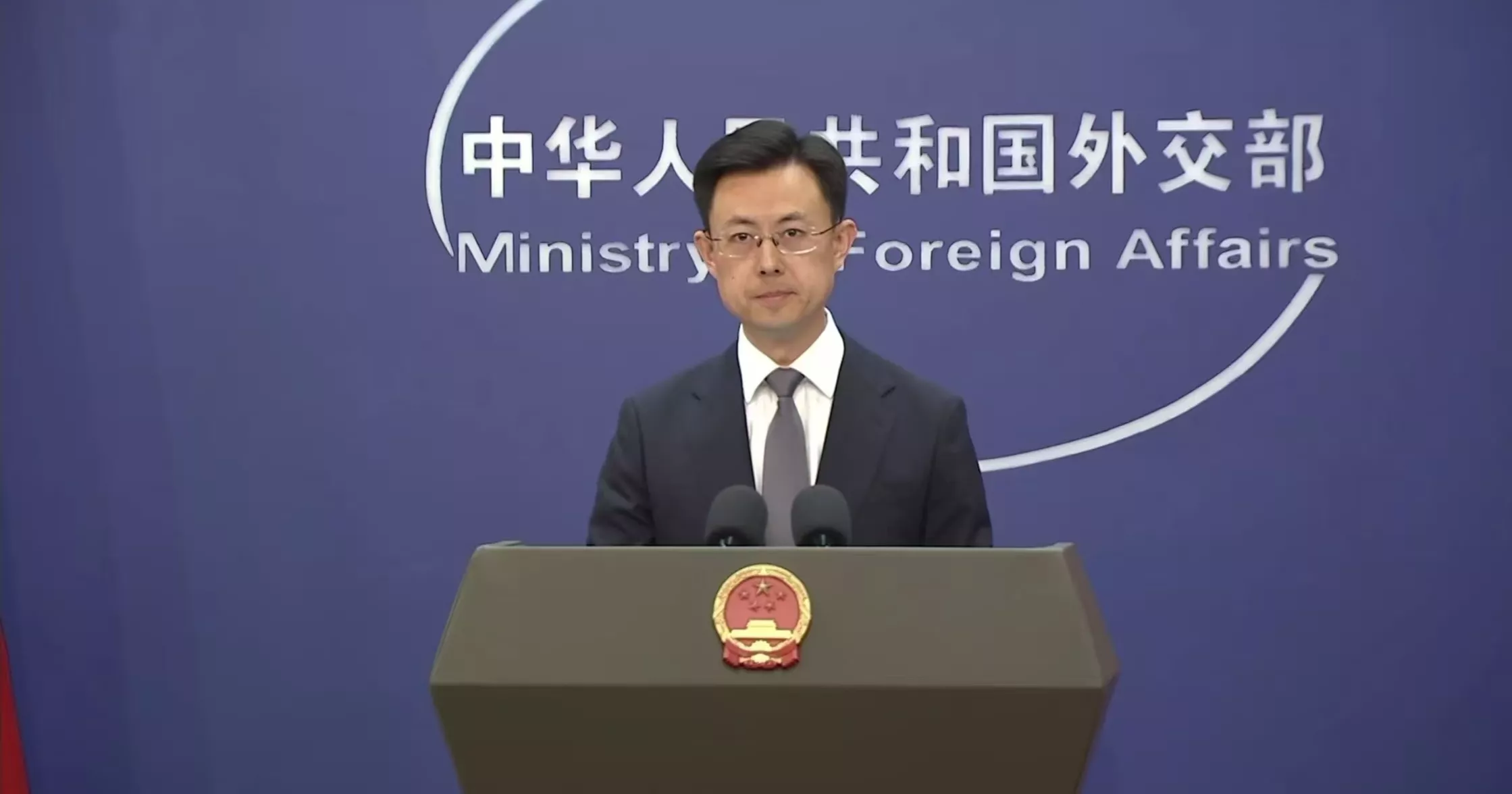
The geopolitical subtext is equally significant. China’s position on the Iran strikes is unequivocally opposed — Beijing has “strongly condemned” the attacks, according to foreign ministry statements, calling them a violation of international law and Iranian sovereignty. This positions China as the de facto head of an international coalition of opposition to the U.S.-Israel operation, alongside Russia, which has similarly condemned the strikes. As the war continues, China’s ability to convert that opposition into material assistance for Iran — intelligence sharing, diplomatic cover at the UN Security Council, continued purchase of Iranian oil in defiance of sanctions — will be one of the critical variables determining the conflict’s duration and outcome.