THE LAST PHONE CALLS — Anatomy of a Diplomatic Failure
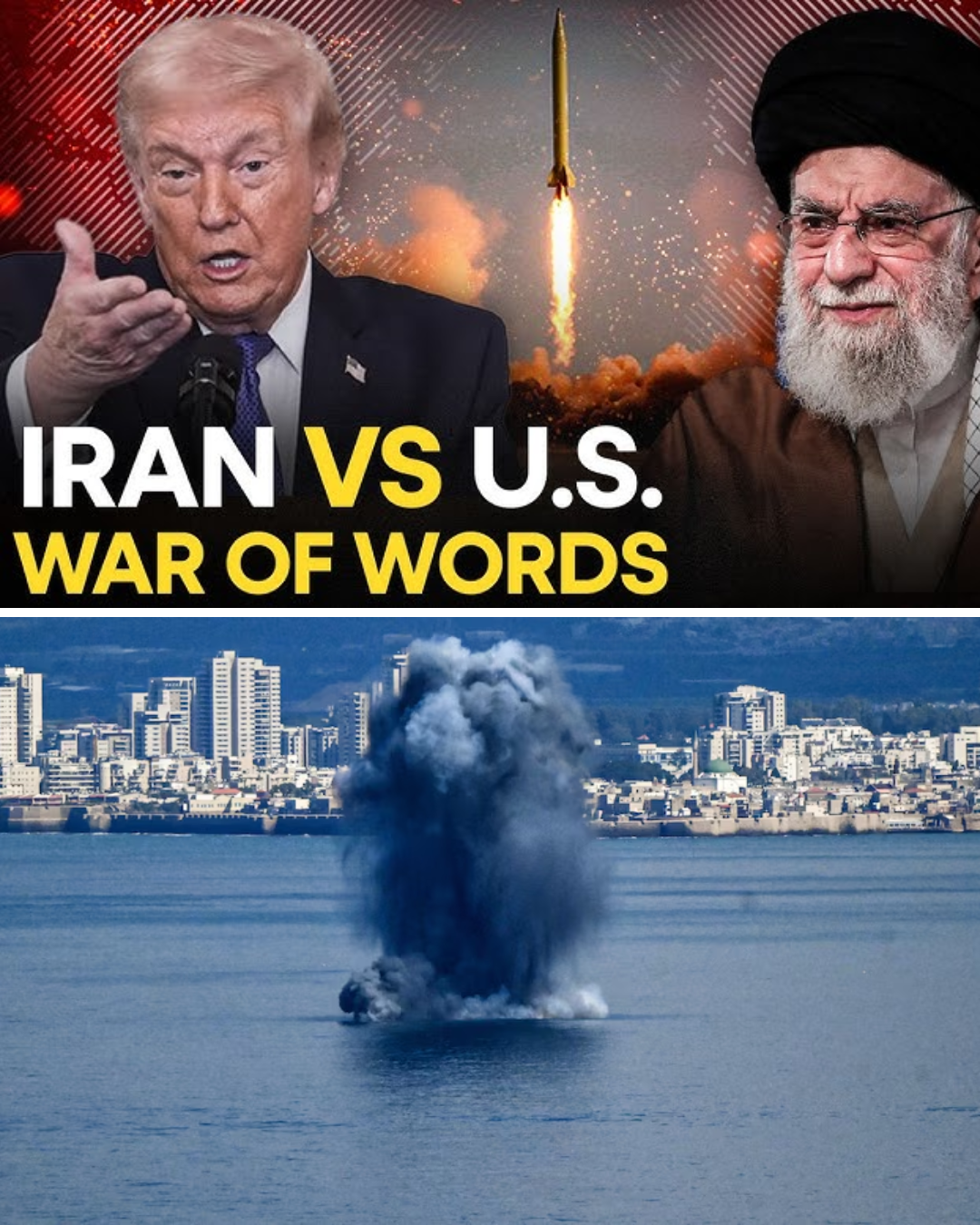
In the 72 hours before Operation Epic Fury commenced, diplomatic channels between Washington and Tehran were not dark — they were active, crackling with last-minute proposals, red lines, and, ultimately, the particular kind of silence that precedes catastrophe. The Geneva talks that ended on Thursday, February 26, represent one of the most consequential diplomatic failures in recent history — and understanding how they failed may be the single most important lesson to extract from this war before the guns fall silent and the reckoning begins.
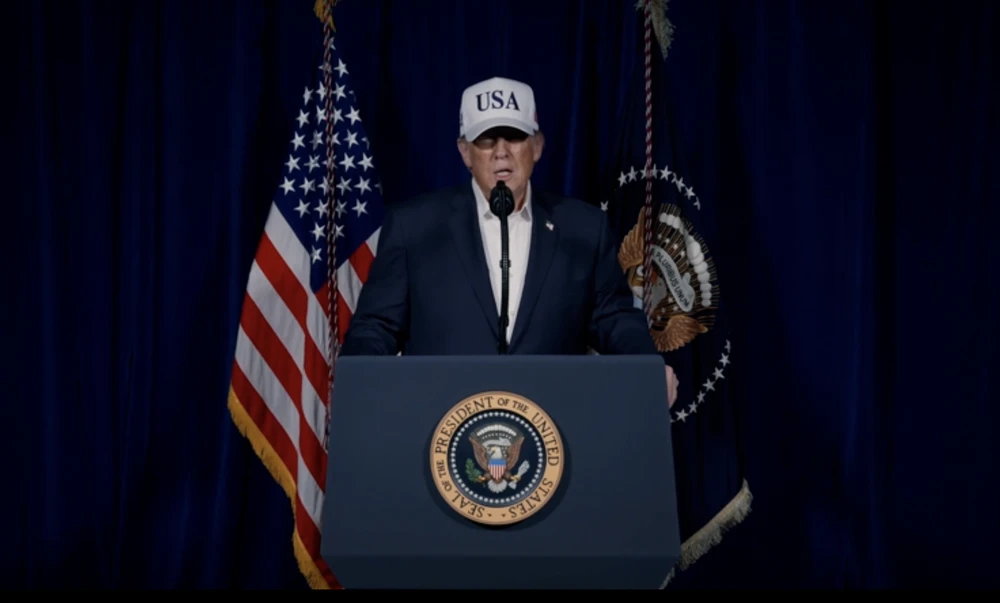
Reuters reported Thursday that the Geneva talks ended without a deal, though Oman — serving as mediator — described “potential signs of progress.” The gap between the two sides was not technical but existential. The United States demanded full dismantlement of Iran’s uranium enrichment program. Iran, in a late-stage concession, proposed new limitations in exchange for sanctions relief and recognition of its right to enrich uranium at low levels. The two positions were irreconcilable not because negotiators lacked skill or will, but because the underlying demands reflected fundamentally incompatible visions of what a final agreement would look like.
American officials, speaking to Reuters on condition of anonymity, framed the U.S. position as simply non-negotiable: Iran could not maintain any enrichment capability because any enrichment capability, however supervised, provides a pathway to nuclear weapons. Iran’s negotiators countered that total dismantlement would constitute national humiliation and political suicide for any Iranian government — including a moderate one — because domestic politics in Tehran attach enormous national pride to the nuclear program, entirely apart from its military utility.
The failure of the Geneva talks was not simply about nuclear physics. It was about domestic politics on both sides. The current U.S. administration had explicitly ruled out the kind of phased, verification-heavy agreement that characterized the 2015 JCPOA. For the Iranian side, years of sanctions, assassinations of nuclear scientists, and what Tehran characterized as repeated American bad faith had made any agreement requiring Iranian vulnerability before receiving American concessions politically impossible to defend at home.
What is particularly haunting about the Geneva failure is the timeline. Talks ended Thursday with “signs of progress.” By Saturday at 1:15 a.m., American bombs were falling on Tehran. The gap between “potential signs of progress” and the launch of a major military offensive is measured in less than 48 hours. Either the military operation was already launched before diplomacy genuinely had a chance to succeed — or the “signs of progress” were illusory, a negotiating tactic by one or both sides rather than a genuine path to agreement.

The diplomats who sat across from each other in Geneva on Thursday will carry that question with them for the rest of their lives. Whether the war that followed was truly inevitable — or whether it was a choice made by human beings who could have chosen differently — is not merely a historical question. It is the moral question of the age.