AFTER KHAMENEI — THE IRGC WITHOUT A MASTER, AND THE MOST DANGEROUS ARMY IN THE WORLD
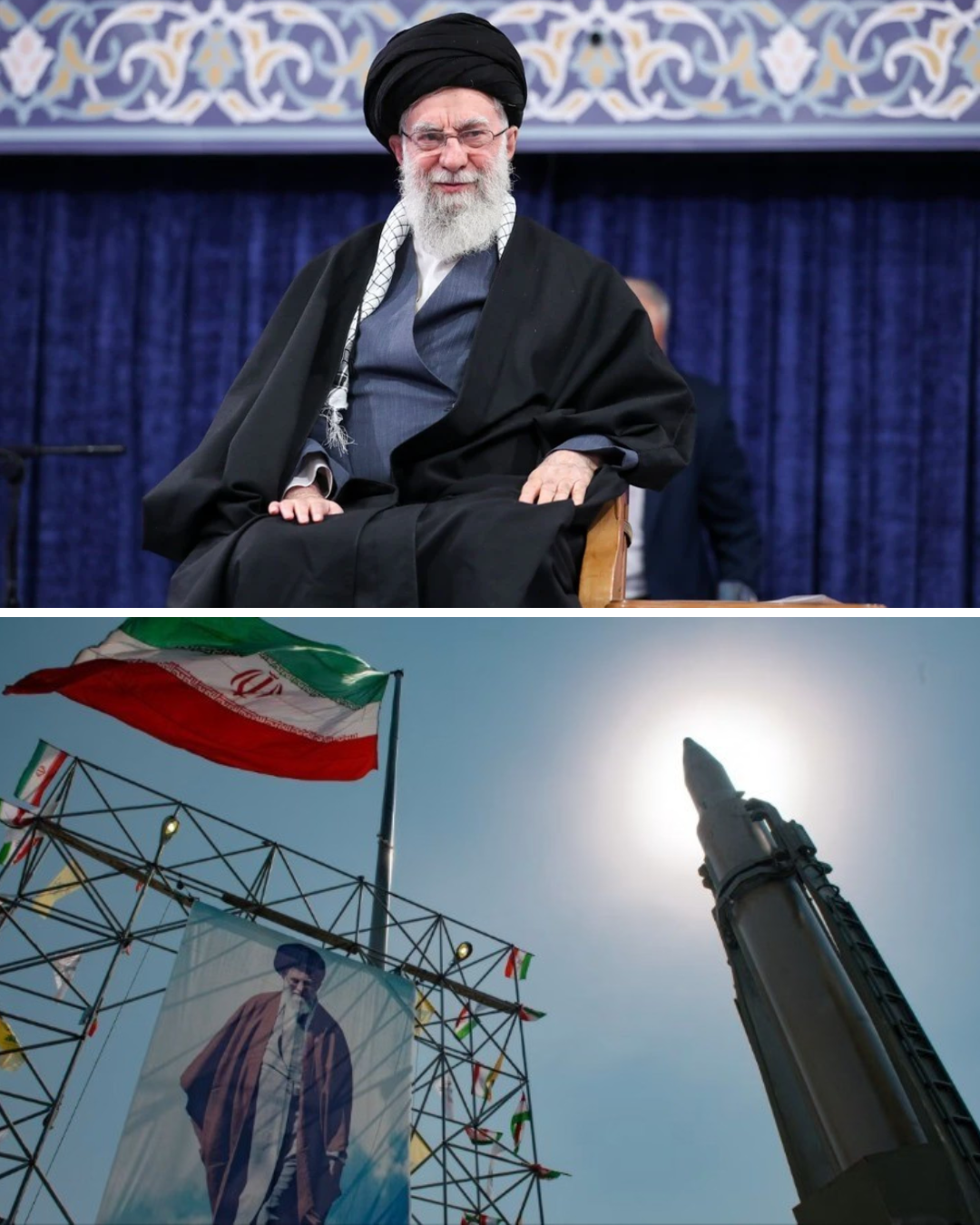
Of all the strategic uncertainties generated by Operation Epic Fury, none is more immediately dangerous than this: the Islamic Revolutionary Guard Corps — an ideologically hardened, battle-tested military organization of approximately 125,000 personnel with vast financial assets, ballistic missile capabilities, and operational control of proxy forces across seven countries — may now be operating without a clear chain of command. Khamenei’s death has not disarmed the IRGC. It has potentially unmoored it.
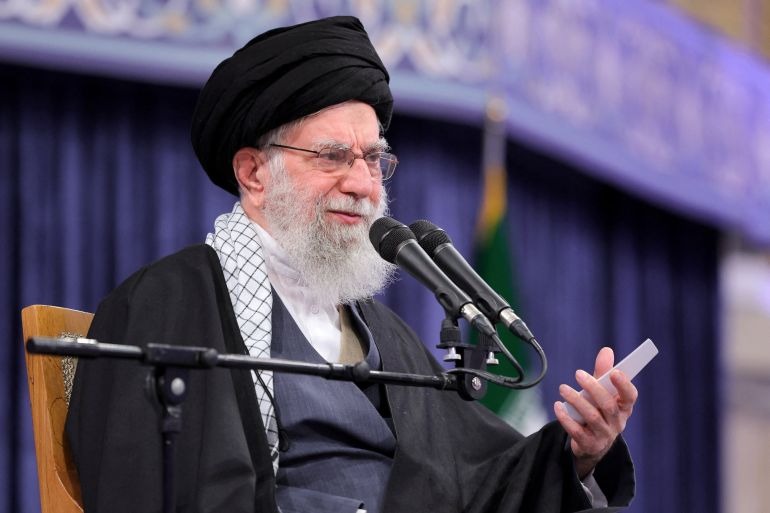
The IRGC was never simply a military force. It was, from its founding in 1979, a revolutionary organization — ideologically loyal not to the Iranian state as such but to the concept of Islamic revolutionary governance embodied in the Supreme Leader. The entire institutional architecture of the IRGC — its chain of command, its rules of engagement, its criteria for what constitutes victory — flows from the Supreme Leader’s religious and political authority. Without a recognized successor, the question of who commands the IRGC is not merely organizational. It is theological.
CENTCOM reported Saturday that despite “hundreds” of Iranian missile and drone attacks, no U.S. casualties had occurred. This is a remarkable tactical outcome but should not be read as confirmation that the IRGC has been neutralized. Iran’s initial retaliatory salvo, launched within hours of the first American strikes, was organized, coordinated, and geographically sophisticated — targeting 14 separate U.S. military installations across the region simultaneously. This is not the action of a decapitated organization. It is the action of a military force executing a pre-planned retaliatory doctrine.

The critical question is what happens in the hours and days ahead, as the IRGC’s pre-planned response protocols are exhausted and independent decision-making begins. An IRGC without clear political direction faces competing pressures: hardline commanders who may escalate beyond pre-approved response thresholds; pragmatic officers seeking survival; and ideological true believers for whom martyrdom in defense of the Islamic Republic is not a cost to be minimized but a goal to be pursued.
Trump’s offer of immunity to IRGC personnel who lay down arms was strategically shrewd, targeting precisely this fracture point. Early, unverified reports suggested some IRGC units were already attempting to seek immunity arrangements — which, if true, would represent an extraordinary institutional breakdown in arguably the most ideologically disciplined military force in the region. But such reports, emerging from the fog of war within hours of the operation’s commencement, must be treated with extreme caution.
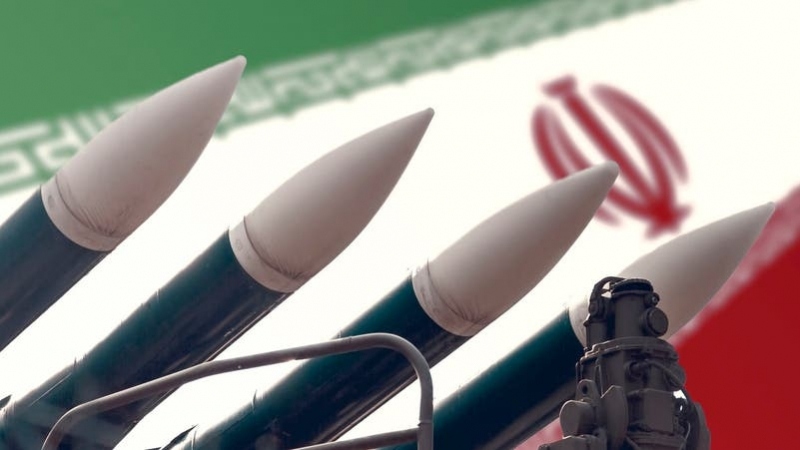
The IRGC also controls Hezbollah in Lebanon, Houthi forces in Yemen, and multiple Iraqi militias — a distributed network of proxy forces that can conduct operations entirely independently of Tehran’s central command. Even if the IRGC itself begins to fracture, these proxy networks may intensify their operations autonomously, either in genuine ideological solidarity with Iran or simply because their own organizational survival depends on demonstrating continued relevance as Iranian power collapses.
The most dangerous army in the world is not one that is strong, disciplined, and directed. It is one that is strong, capable, and leaderless — possessed of enormous destructive capacity but deprived of the political judgment that previously governed when and how that capacity would be used. As of March 1, 2026, that description may accurately characterize the Islamic Revolutionary Guard Corps. The world should be paying very close attention.