THE DRONE REVOLUTION — Task Force Scorpion Strike and the Future of Warfare
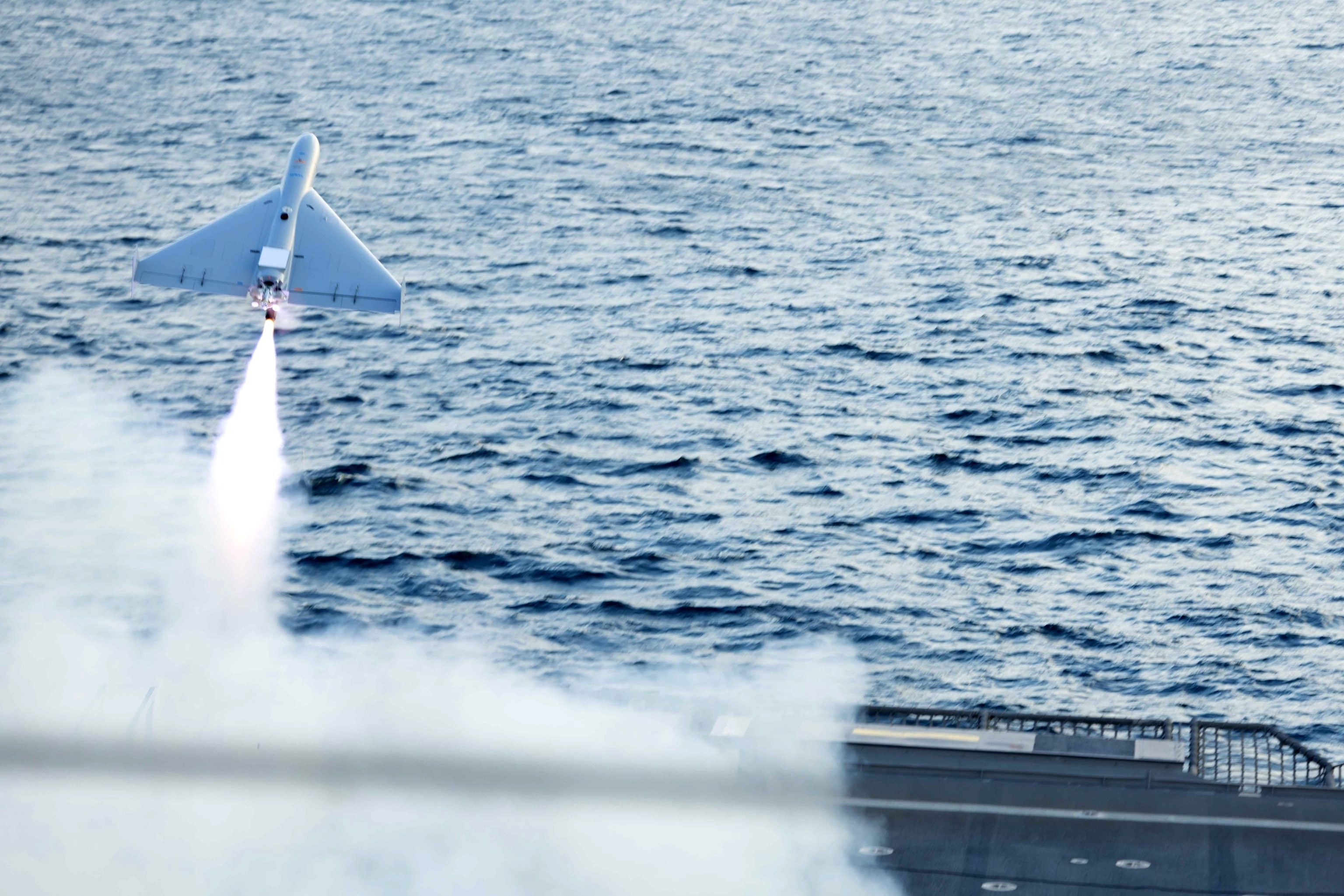
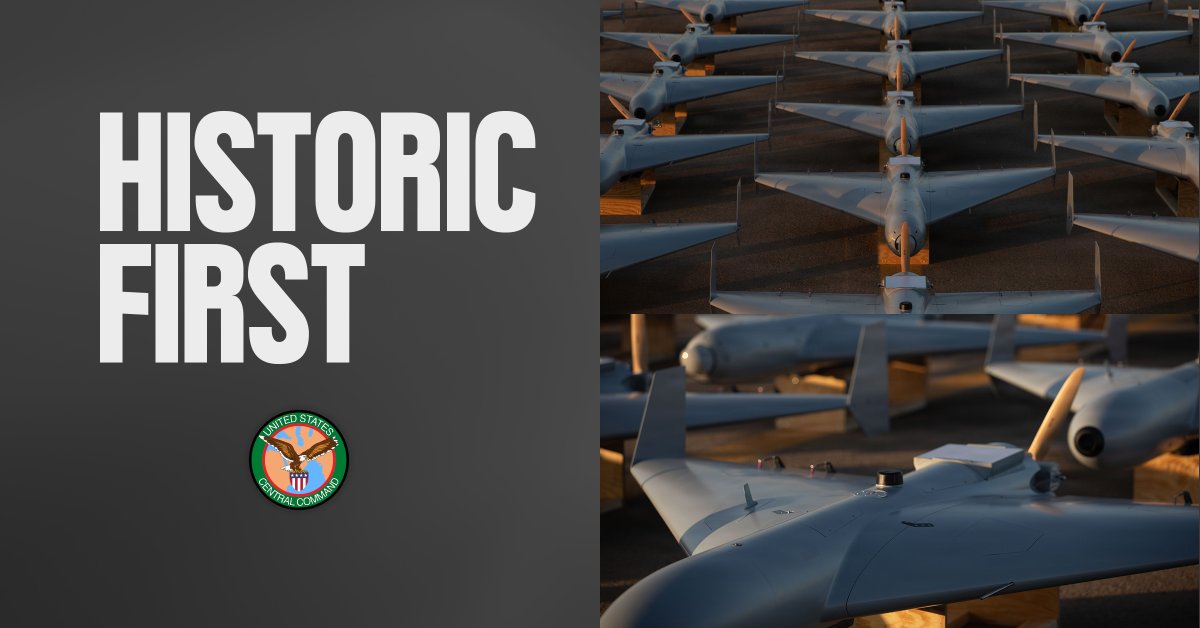
Buried within CENTCOM’s Saturday announcement about Operation Epic Fury was a single line that defense analysts immediately flagged as historically significant: the United States deployed “low-cost one-way attack drones” for the first time in a major combat operation, under the operational designation Task Force Scorpion Strike. This was not a battlefield innovation improvised under fire. It was the combat debut of a drone warfare doctrine years in development — and its first real-world test, against one of the world’s most extensively defended countries, appears to have been dramatically successful.
One-way attack drones — also known as loitering munitions, kamikaze drones, or, in industry terminology, “lethal autonomous weapons” — represent a fundamental shift in the economics of aerial warfare. Traditional precision-guided munitions are expensive: a single Tomahawk cruise missile costs approximately $2 million. A single Patriot interceptor missile, used to shoot down incoming threats, costs between $3 million and $6 million. The arithmetic of missile defense has historically favored the attacker only when the attacking munition is more expensive than the defending interceptor — a condition that favors the defender when facing low-cost threats.
Task Force Scorpion Strike inverts this calculus entirely. Low-cost one-way attack drones, produced at a fraction of the cost of conventional munitions, can be launched in swarms sufficiently large to exhaust an adversary’s interceptor inventory. When each defensive interceptor costs millions and each attacking drone costs thousands, the attacker can achieve magazine exhaustion of the defender’s entire battery at a fraction of the investment. This is not a theoretical concept — it is what appears to have happened to Iran’s air defense network on February 28.
The strategic implications extend well beyond the Iran conflict. The U.S. military’s operational validation of mass drone swarm attacks in a high-intensity conflict against a sophisticated opponent will accelerate the proliferation of this doctrine across every major military. China’s People’s Liberation Army has invested heavily in comparable capabilities and will study every detail of Task Force Scorpion Strike’s execution with intense professional interest. Russia’s military, already learning from drone warfare in Ukraine, will incorporate these lessons into its own doctrine. Even smaller states and non-state actors will draw conclusions from the Iran case about the vulnerability of expensive conventional air defense to cheap massed drones.

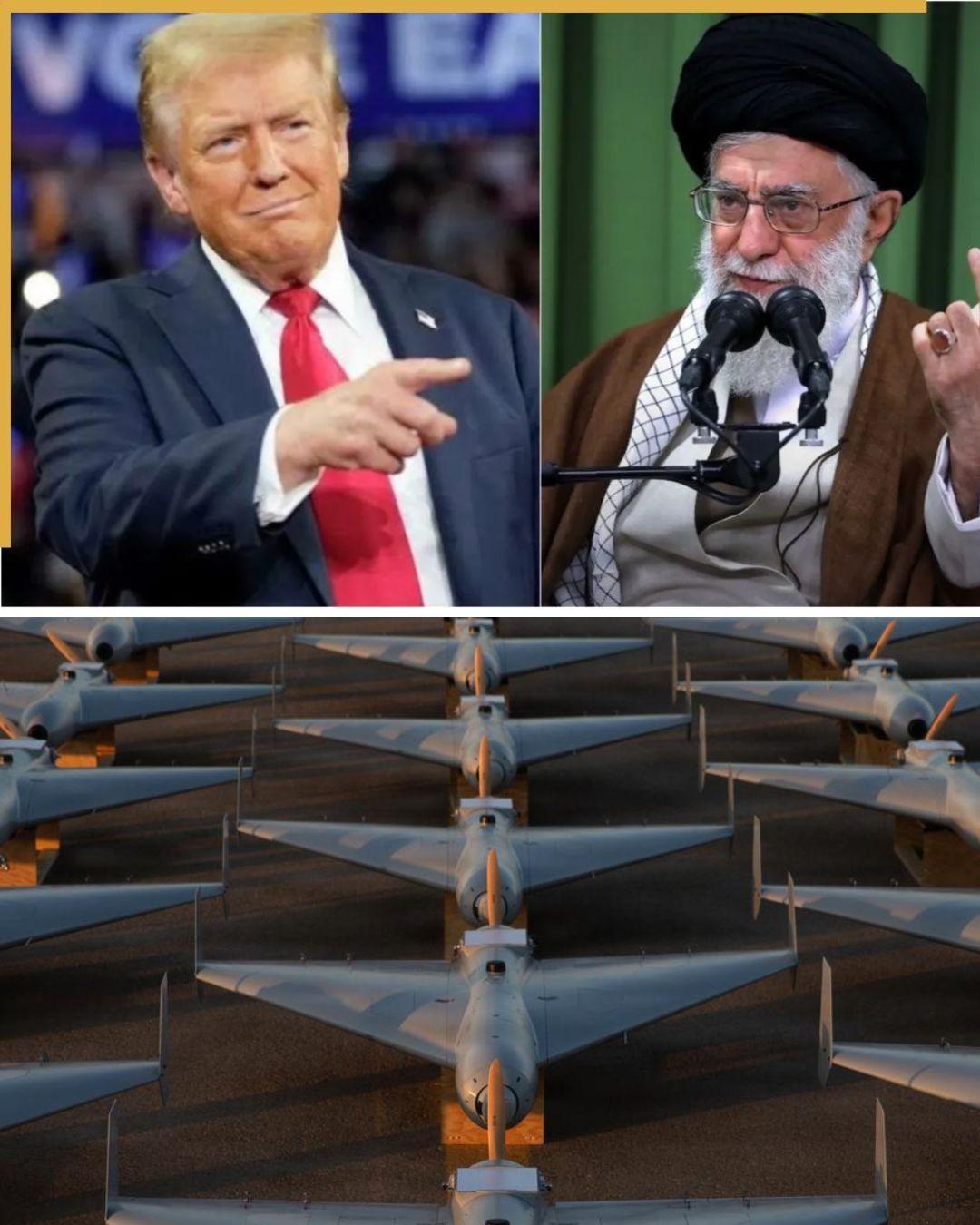
There is also a darker proliferation concern. The same logic that makes cheap one-way drones devastating in the hands of the U.S. military makes them dangerous in the hands of anyone. Iran itself pioneered the use of Shahed-136 loitering munitions in the Ukraine conflict, selling them to Russia for use against Ukrainian cities. The message of Operation Epic Fury’s drone component is not exclusively about American capability — it is about the universal accessibility of the tactical approach. A doctrine validated by the world’s most powerful military is a doctrine that will be replicated by everyone.
What Task Force Scorpion Strike has demonstrated is that the age of expensive, complex air defense systems providing reliable protection from air attack may be drawing to a close — replaced by a new era in which overwhelming numbers of cheap, expendable, precision-guided platforms can defeat billion-dollar defensive networks through sheer saturation. The military history books will devote considerable space to February 28, 2026, as the day this new doctrine was proven in combat at scale. The wars that follow will look very different from those that came before.