AIRPORTS UNDER FIRE — When Iran Chose Civilian Infrastructure as a Message
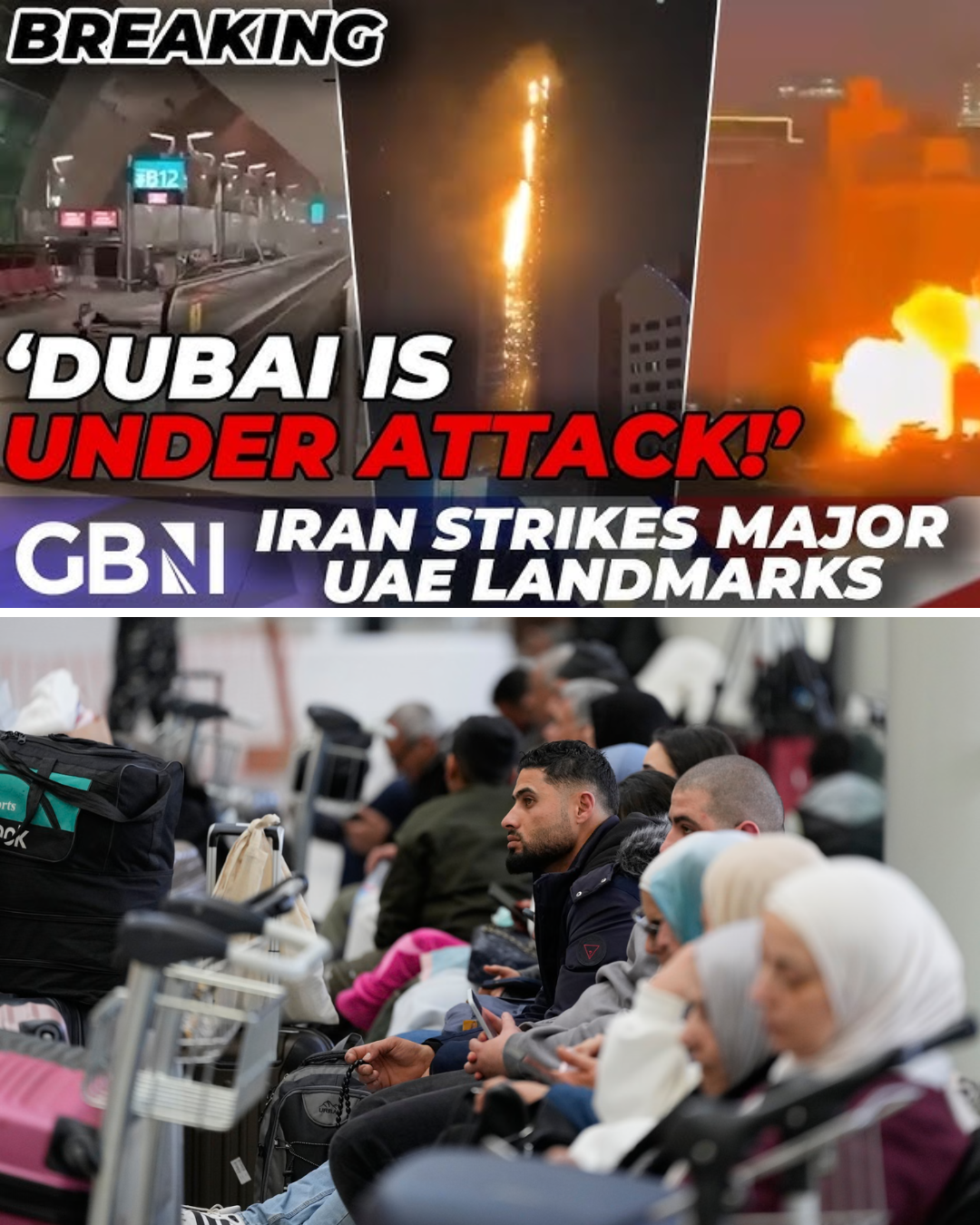
Among the dozens of targets struck by Iranian retaliatory forces on February 28, two stand apart for their profound implications about the nature of Iran’s response doctrine: Kuwait International Airport’s Terminal 1 and Dubai International Airport. A drone strike on Kuwait’s airport resulted in injuries and material damage to Terminal 1. In Dubai, four people were injured in a separate incident. These were not military targets. They were civilian aviation facilities — two of the busiest air transportation hubs in the Persian Gulf, serving millions of civilian passengers annually. Iran’s decision to strike them was a deliberate strategic choice, and understanding why illuminates something important about how Tehran calculates the costs it is willing to impose on the region.

The strikes on Kuwait City and Dubai airports serve a purpose that purely military targets cannot achieve: they create civilian disruption, economic damage, and psychological terror in states that did not directly participate in Operation Epic Fury. Kuwait and the UAE are both host nations to U.S. military facilities — Ali Al Salem Air Base in Kuwait and Dhafra Air Base in the UAE — which were among Iran’s retaliatory targets. But by simultaneously striking civilian airports, Iran sent a message that transcends the military-to-military exchange: hosting American forces exposes your civilian economy and civilian population to direct risk.
The economic calculation is precise and deliberate. Dubai International Airport handles approximately 92 million passengers annually and is the operational hub of Emirates airline, one of the world’s largest carriers and a critical component of the UAE’s diversified economy. A sustained campaign against Dubai’s aviation infrastructure — even short of destroying the airport itself — inflicts enormous economic damage on a government that has invested decades building a post-oil economic model dependent on international connectivity. Iran knows this. The airport strike was not a military miscalculation. It was an economic warning shot.

The legal analysis is equally stark. Civilian airports are explicitly protected under international humanitarian law unless they are being used for military purposes. The Terminal 1 strike at Kuwait International Airport injured civilians and damaged civilian infrastructure. Iran’s Foreign Ministry has framed all retaliatory strikes as responses to an “unprovoked, illegal, and illegitimate” attack on Iranian soil. But that framing, however understandable as a matter of rhetorical strategy, does not provide legal cover for strikes on civilian facilities. Both sides in this conflict have now produced incidents that credible international legal analysis would characterize as potential violations of the laws of armed conflict.
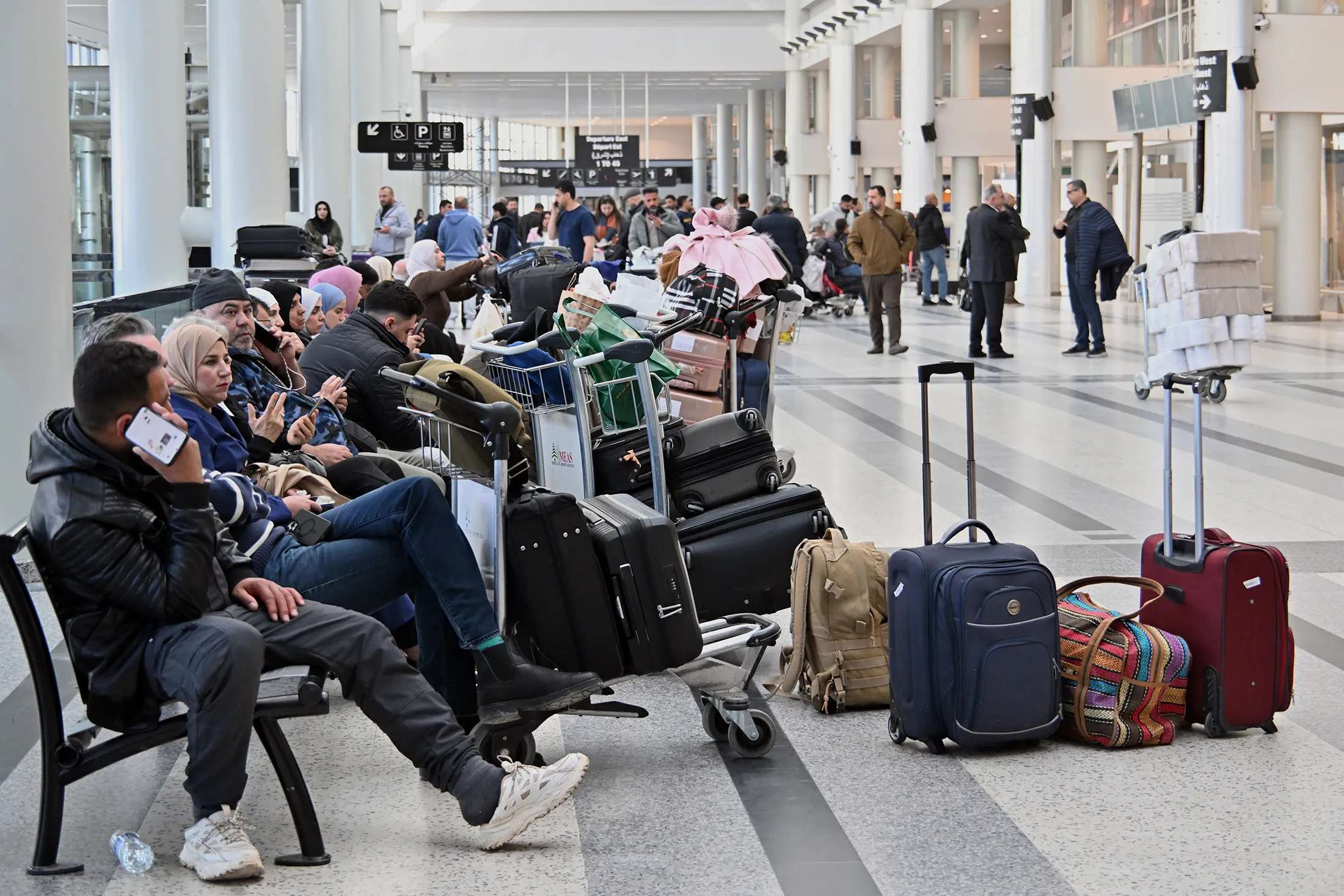
For Gulf civilians — the millions of ordinary residents and visitors in Bahrain, Kuwait, the UAE, Qatar, Jordan, and Saudi Arabia who woke up Saturday to emergency sirens, explosions, and airport closures — the abstract geopolitical contest between Washington and Tehran has become viscerally, physically real. Flights were cancelled or diverted across the region. Financial markets in Gulf states went into emergency suspension protocols. The daily lives of tens of millions of people across the most economically dynamic region on earth were upended by a conflict they had no role in initiating.
This is precisely the strategic logic Iran was executing: if the Gulf states pay a sufficiently high civilian and economic price for hosting American military forces, the political calculation in Riyadh, Abu Dhabi, Doha, and Kuwait City may eventually shift. It is a long game, premised on the willingness to absorb enormous military punishment while inflicting sufficient collateral economic damage on neighboring states to eventually erode the regional architecture of American military presence. Whether it will work is uncertain. That it was deliberate is not.