THE UN’S HOLLOW THUNDER — Guterres Condemns the War, and Nobody Listens
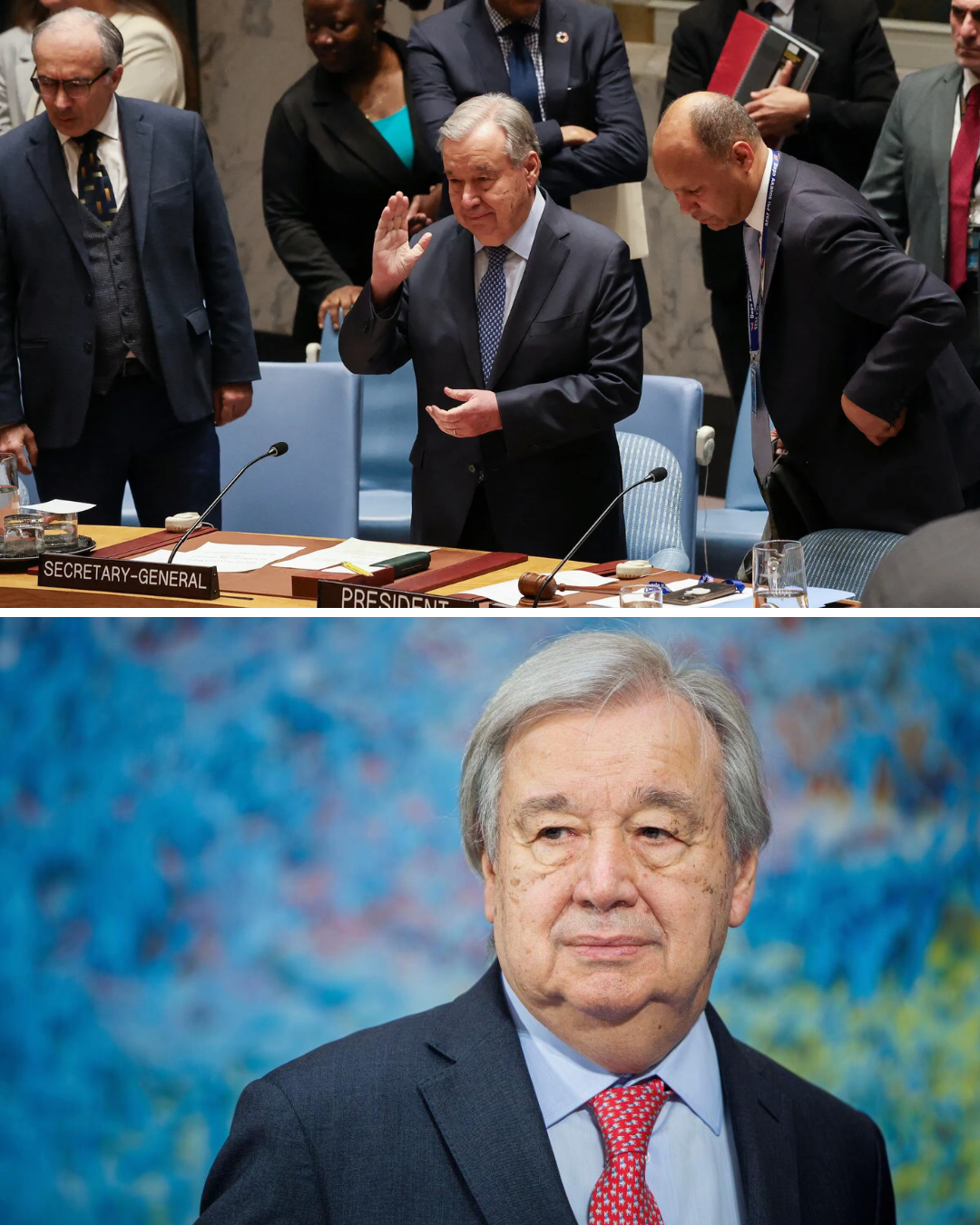
United Nations Secretary-General António Guterres issued a formal statement Sunday calling the U.S.-Israeli bombing of Iran and the retaliatory Iranian strikes “a grave threat to international peace and security.” It was a measured, legally precise statement, rooted in the language of the UN Charter and the organization’s longstanding commitment to peaceful resolution of international disputes. It was also, in all probability, entirely irrelevant to the conduct of the ongoing military operations.
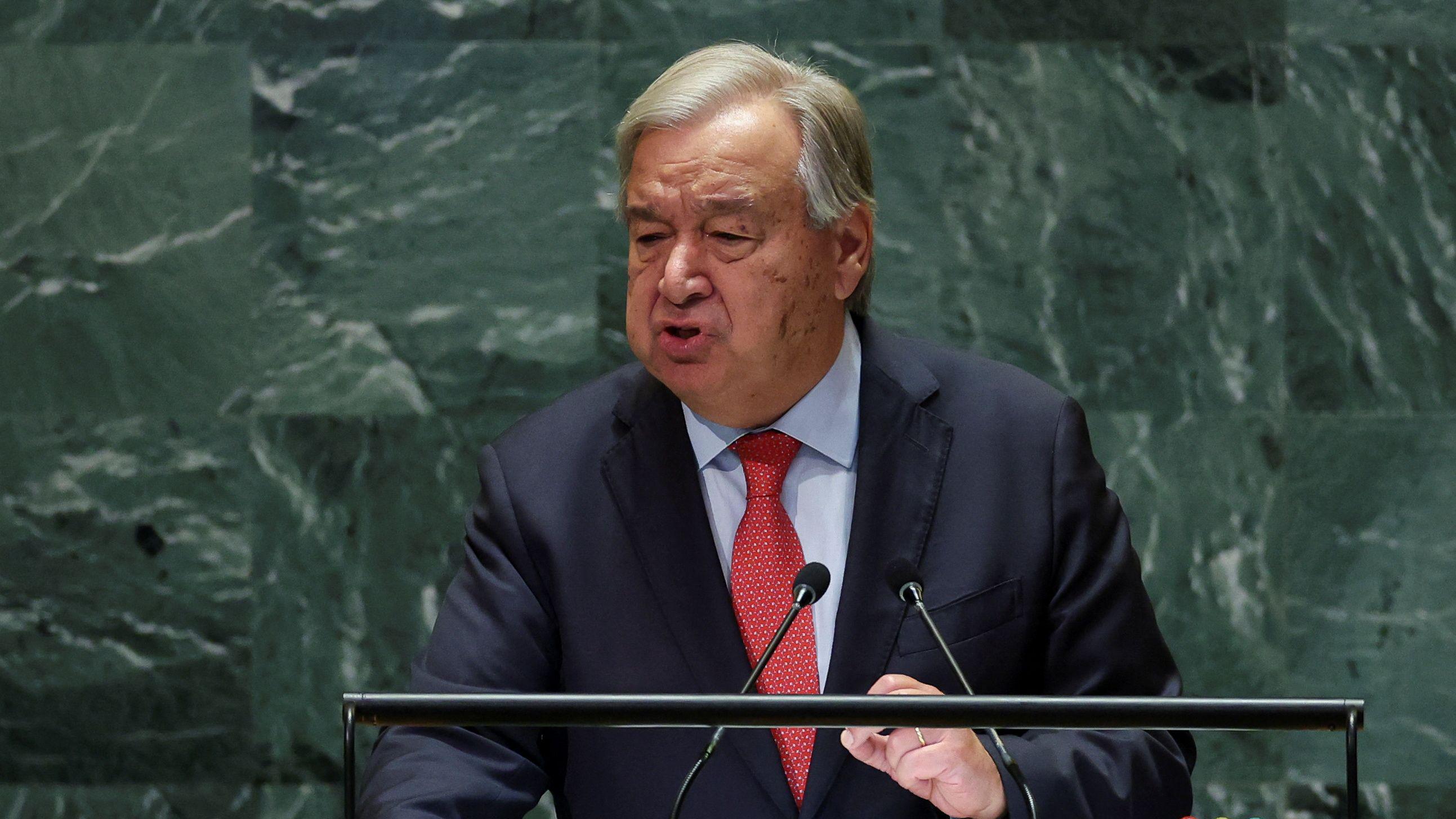
This is not a criticism of Guterres personally. It is an observation about the structural limitations of the United Nations in conflicts involving its most powerful member states. The UN Security Council, the only international body with legally binding authority to order a ceasefire, is constitutionally incapable of taking enforceable action against the United States or Israel in this conflict because the United States holds a permanent veto over Security Council resolutions. The moment any resolution calling for an end to Operation Epic Fury reached a vote, the U.S. representative would exercise that veto, and the resolution would die. Russia and China, which have both condemned the strikes, could introduce such a resolution — knowing it would fail — purely for its propaganda value. That theatrical condemnation is the Security Council’s actual function in this conflict.
The UN General Assembly, which lacks binding authority but requires no veto to pass resolutions, may vote to condemn the strikes — as it has voted to condemn previous actions by powerful states. Such resolutions carry moral weight and diplomatic significance but produce no legal obligations and no operational consequences. Iran and its allies will use an eventual General Assembly condemnation as evidence of international isolation of the United States. Washington will note, correctly, that the condemnation changes nothing on the ground.

This dynamic reveals a structural crisis at the heart of international order that the Iran war has brought into sharper focus than any event in recent years. The post-World War II international legal architecture — built around the UN Charter’s prohibition on the use of force except in self-defense or with Security Council authorization — was designed to prevent great-power wars. It functions reasonably well when it comes to constraining small states. It fails almost completely when the state engaging in military action is one of the five permanent Security Council members, or a close ally thereof.
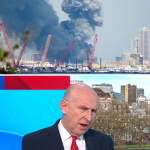
Guterres’ statement invokes the language of international law with evident sincerity and professional responsibility. But the war continues. Bombs are still falling. And the organization he leads possesses no mechanism to make them stop when the state dropping them is the United States of America. The gap between the UN’s stated mission — maintaining international peace and security — and its practical capacity to enforce that mission in conflicts involving great powers has never been more visibly, painfully apparent than it is today, in the smoke rising over Tehran and the rubble of a girls’ school in Minab.
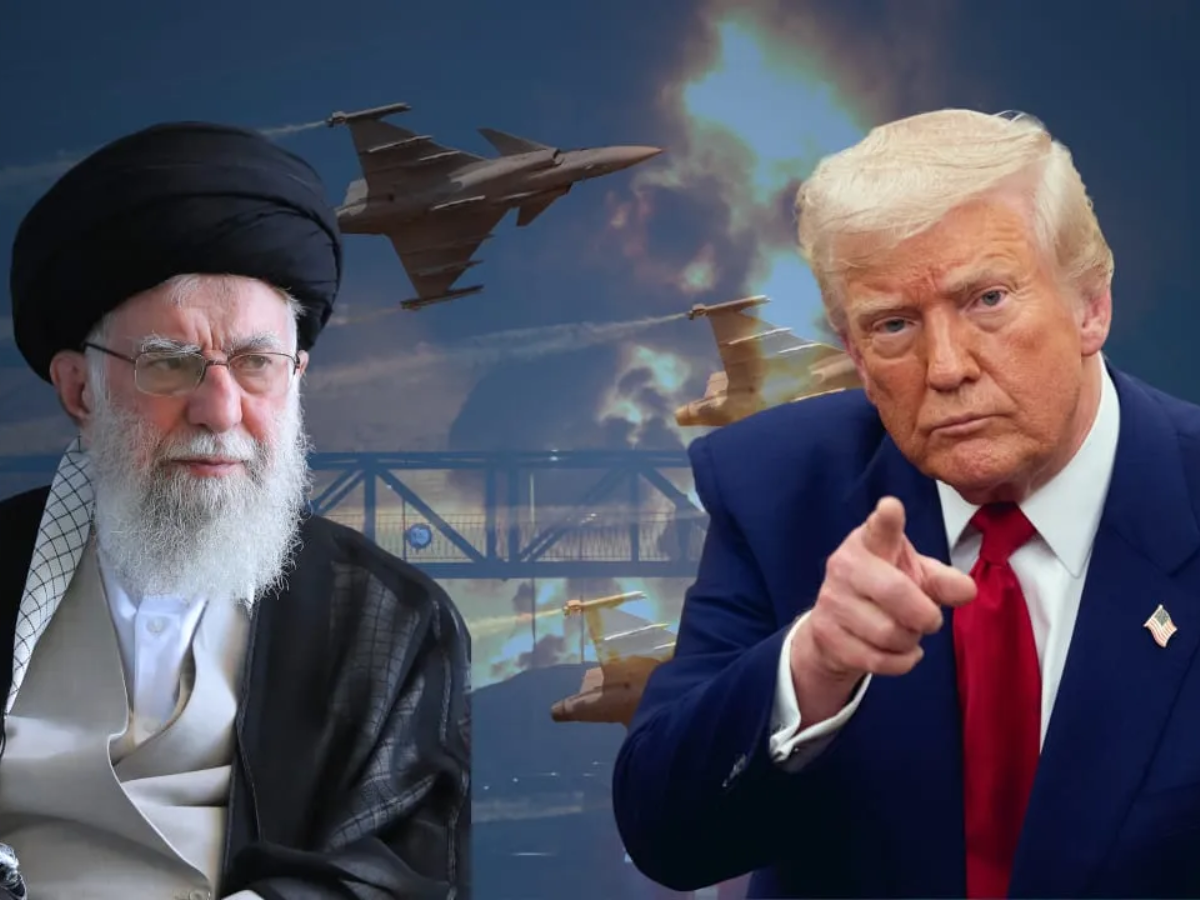
The deeper question the Iran war poses for the international order is not about this specific conflict. It is about what kind of rules-based international system can survive when the most powerful states reserve the right to exempt themselves from the rules whenever their “core national security interests” are at stake. If the answer is that no such system can survive, then the Guterres statement is not merely diplomatically ineffective — it is the epitaph of an era.