A World on Edge: The Middle East in Flames
- TranThuy
- March 1, 2026
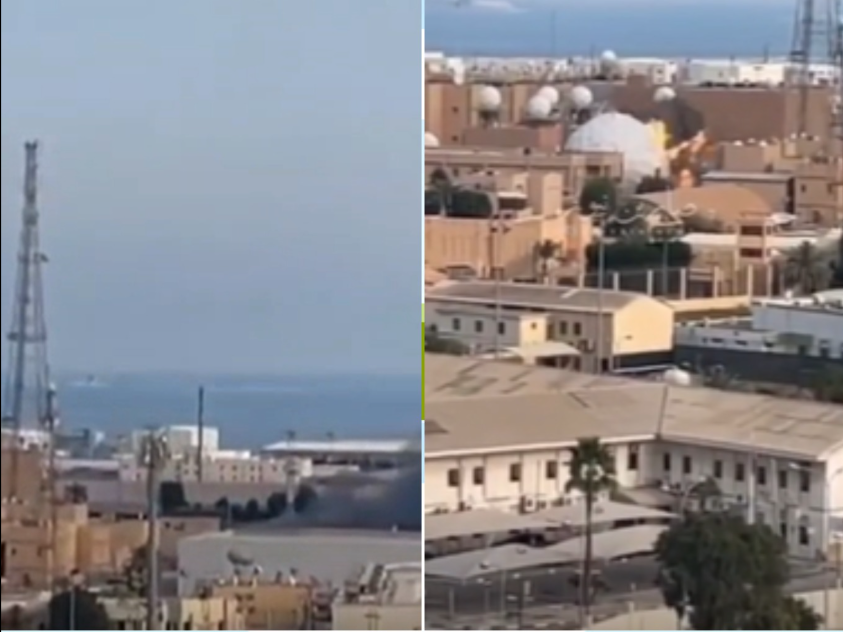
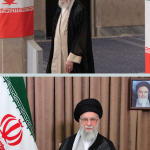
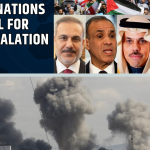
A sudden wave of fire and fury has swept across the Middle East, sending shockwaves through capitals and living rooms around the globe. What began as regional tensions spiraled into a dramatic escalation when Iran announced retaliatory missile strikes on multiple U.S. military installations throughout the region. Plumes of smoke and walls of fire dominated early news reports, and within hours social media feeds filled with images and accounts that no one expected to witness. In cities thousands of miles away, ordinary citizens stared at screens in disbelief, trying to make sense of a conflict that once felt distant.
According to statements attributed to the Islamic Revolutionary Guard Corps and carried by regional news outlets, at least 200 American service members were reported as killed or wounded in the barrage of missiles. The stark numbers sent immediate ripples through diplomatic circles, military commands, and families alike. For many, the scale of the reported losses brought the abstract concept of “international crisis” into sudden, painful focus. Questions swirled about how events had escalated so quickly and what this meant for the fragile stability of the region.
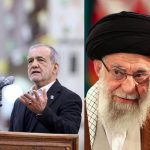
In response to the strikes, IRGC General Ebrahim Jabbari issued a defiant warning, asserting that Iran possessed “advanced capabilities” and was prepared for a prolonged conflict. He vowed that if war continued, even more powerful missiles would be unleashed. The tone of his address was chilling to some and emboldening to others, underscoring the depth of mistrust that has long defined relations between Tehran and Washington. His words seemed to widen the gulf between calls for peace and the realities of hardened military postures.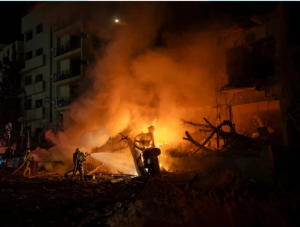
Compounding the volatility of the moment, Israel—backed by the United States—publicly acknowledged launching what it described as preemptive strikes against Iranian military and nuclear targets. Former President Donald Trump, addressing the unfolding events in a televised statement, confirmed continued U.S. support for allied actions, citing the collapse of diplomatic efforts surrounding Iran’s nuclear program. The convergence of military actions from multiple actors made the situation feel overwhelming, as if the region were balanced on the edge of an even larger conflagration.
Behind the stark headlines and hardened rhetoric, there existed countless families waiting anxiously for news. Mothers, fathers, siblings, and friends grappled with the same haunting questions: Was their loved one safe? Would the next update bring relief or heartbreak? In quiet living rooms and crowded cafes alike, hearts trembled with every announcement, and people of all backgrounds experienced the same universal yearning for reassurance and calm.
In moments like these, the fragility of peace becomes viscerally clear. Beyond geopolitics and strategy, the human cost of conflict is measured in fractured families, disrupted communities, and the silent prayers of those hoping for an end to violence. As the world watched and waited, it was impossible to ignore how deeply humanity longs for calm over conflict—and how urgently the voices calling for dialogue and understanding must be heard.