A City in the Crossfire: Sydney’s Night of Fire and Questions
- TranThuy
- March 1, 2026
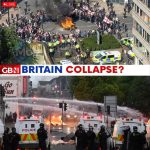
Flames of anger lit up the streets of Sydney as a protest that began with chants and banners spiraled into chaos. Shouts echoed between tall buildings, bouncing off glass and concrete, while debris clattered across the pavement. What had started as a gathering of voices demanding to be heard transformed into a volatile confrontation marked by fear and confusion. Smoke drifted through the night air, and the glow of burning objects cast restless shadows across the city’s heart.
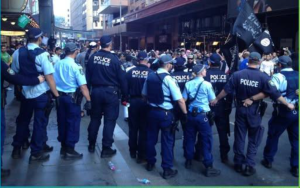
As tensions surged, riot police advanced in formation, creating a hard blue line against the swelling crowd. Shields locked together, officers moved with disciplined precision, determined to restore order before the unrest spread further. Sirens wailed relentlessly, their urgent cries mixing with the roar of anger and the sharp crack of objects striking the ground. In mere moments, arrests were made. Protesters scattered into side streets, and the once-crowded avenue thinned into clusters of stunned onlookers and flashing emergency lights.
For residents watching from apartment balconies, the scene felt surreal. Some filmed the unfolding events on their phones, capturing fragments of history in real time. Others pulled curtains closed, unsettled by the intensity below. Across the nation, screens flickered with breaking news alerts, and social media feeds filled with images of confrontation and commentary. The city, vibrant and proud, now seemed suspended between outrage and uncertainty.
Reactions poured in swiftly and passionately. Some citizens praised the firm police response, arguing that public safety must remain paramount and that violence undermines legitimate causes. Others expressed alarm, questioning whether the show of force risked silencing peaceful voices alongside the violent few. The debate revealed fault lines that extended far beyond one night’s unrest, touching on deeper issues of trust, accountability, and civic responsibility.
Beneath the noise and fury lay a more profound struggle: how does a democratic society safeguard its people while preserving the right to protest? The freedom to assemble and speak out has long been considered a cornerstone of modern governance. Yet when demonstrations turn destructive, authorities face the difficult task of preventing harm without extinguishing the very liberties they are sworn to protect. It is a delicate balance, easily disturbed and fiercely debated.
In that charged night air, Sydney became a mirror reflecting a divided nation searching for equilibrium. Security and understanding stood not as opposing forces but as values that must coexist. The challenge moving forward is not only to repair broken windows or heal physical wounds, but to rebuild trust and foster dialogue. Only by listening as fiercely as it enforces can a society hope to transform nights of chaos into mornings of clarity and progress.