After the Exit: New York’s Financial Crossroads
- TranThuy
- March 1, 2026
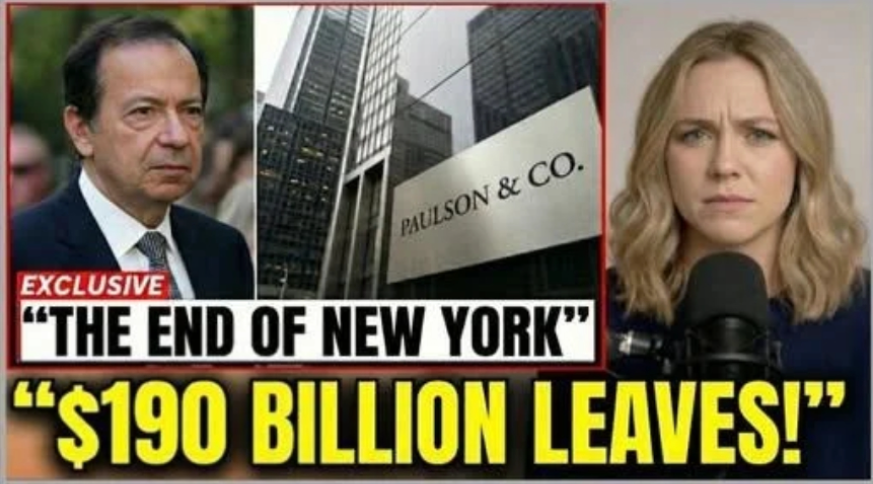
A financial shockwave has rippled through New York City — its largest taxpayer has reportedly walked away, leaving behind a staggering fiscal void. For a metropolis long celebrated as the financial heartbeat of the United States, the news landed with unusual weight. Economists, city officials, and business leaders quickly began sounding alarm bells, warning that the scale of the departure could reshape budget forecasts and long-term planning alike.
The identity of the taxpayer — whether a major corporation, hedge fund titan, or influential investor — matters less than the magnitude of the contribution now missing. Billions of dollars once flowing into city coffers may suddenly shrink, tightening resources that support everything from public schools to transit systems. In a city where revenue projections guide ambitious infrastructure and social programs, even a small percentage drop can ripple outward. A loss of this size feels less like an accounting adjustment and more like a structural tremor.
Speculation swirls about what prompted the exit. Some point to rising taxes and regulatory burdens, arguing that high earners and corporations are increasingly mobile in a globalized economy. Others cite policy shifts, cost-of-living pressures, or remote work trends that have loosened the traditional ties between wealth and Wall Street skyscrapers. There are also deeper questions about whether broader economic transformations — technological change, shifting labor markets, or evolving urban priorities — are quietly reshaping the city’s financial foundation.
Experts warn that the consequences may stretch far beyond balance sheets. A significant revenue gap could impact funding for public services, from sanitation and policing to housing initiatives and education programs. Local businesses that depend on affluent clientele might feel the strain if high-income residents relocate. Even everyday New Yorkers, far removed from executive boardrooms, could experience indirect effects through service reductions or budgetary trade-offs.
For many residents, the departure feels personal. New York’s identity has long been intertwined with ambition, wealth creation, and resilience. The skyline itself stands as a monument to financial power and reinvention. To see such a prominent contributor leave raises uneasy questions about competitiveness and confidence. Is the city becoming less attractive to its biggest economic drivers, or is this simply part of the natural ebb and flow of a dynamic marketplace?
The months ahead will reveal whether this moment marks a temporary tremor or the beginning of a broader economic shift. Policymakers may reconsider fiscal strategies, while business leaders reassess investment plans. History shows that New York has weathered crises before — from recessions to market crashes — emerging changed but enduring. The real test now lies in how the city adapts, balances growth with fairness, and preserves its place as a global capital in an evolving economic landscape.