Shattered Boats, Shaken Borders
- TranThuy
- March 1, 2026
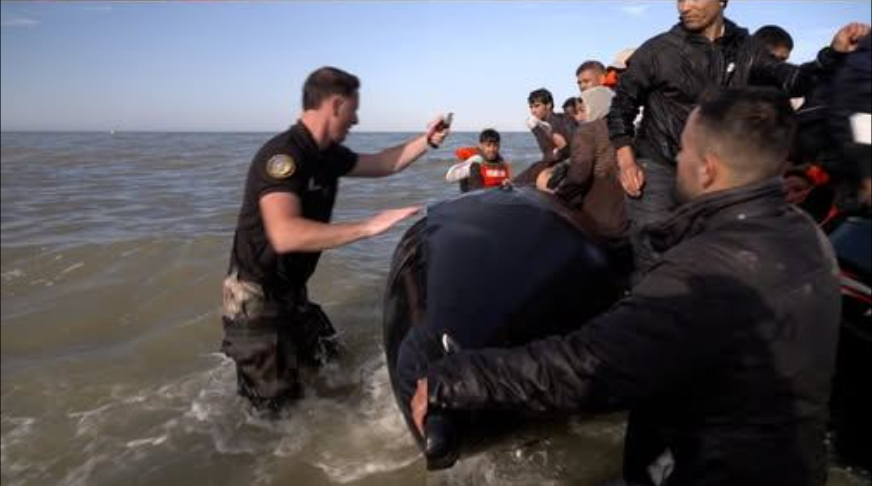
Waves crashed softly against the northern coast of France, the tide rolling in with its usual rhythm. Yet the calm of the shoreline was abruptly broken when shocking footage surfaced online: a group of British vigilantes smashing small migrant boats pulled up on the sand. Splintered wood scattered across the beach as angry shouts cut through the sea air. Stunned onlookers stood frozen, some whispering in disbelief, “They can’t just do this…” The scene felt chaotic and unsettling, as fear and frustration spilled beyond words.
Witnesses later described the confrontation as both frightening and volatile. The boats—fragile vessels often used by migrants attempting to cross the Channel—lay broken and unusable. While some bystanders expressed sympathy for local frustrations over irregular crossings, others were appalled at what they saw as reckless and unlawful destruction. In those tense moments, the beach became more than a stretch of sand; it turned into a symbol of a much larger crisis gripping both sides of the water.
The incident quickly rippled across borders, drawing sharp attention in the United Kingdom as well as in France. Political leaders faced renewed pressure to address migration flows, border enforcement, and bilateral cooperation. Diplomatic conversations intensified, with officials stressing the importance of maintaining order and respecting international law. The fragile balance between national sovereignty and humanitarian obligation once again rose to the forefront of public debate.
For many observers, the footage raised painful questions. What drives ordinary individuals to take matters into their own hands? Is it fear of uncontrolled migration, frustration with perceived government inaction, or a deeper sense of insecurity about identity and resources? On the other side of the crisis are migrants—often fleeing conflict, poverty, or instability—whose desperation pushes them toward perilous journeys across open water. Between these two realities lies a complex web of responsibility shared by governments, communities, and international partners.
Legal experts were quick to point out that vigilante action undermines the rule of law, regardless of political frustrations. Destroying property and obstructing potential rescue or migration processes can carry serious legal consequences. More broadly, such acts risk escalating tensions and encouraging copycat behavior. When justice is pursued outside established legal frameworks, the results can spiral in unpredictable and dangerous ways.
As officials scramble to respond and communities argue over solutions, one truth lingers like the tide washing over broken wood: actions taken in anger rarely remain contained to the shore. The images from that beach serve as a stark reminder that migration is not merely a border issue but a human and political challenge demanding careful dialogue. Without cooperation, compassion, and lawful action, the waves of conflict may continue to crash far beyond the coastline, shaping relations and lives on both sides of the Channel.