NEWS ANALYSIS: Iran Faces Uncertain Future After Death of Supreme Leader Ali Khamenei — Could His Son Take Power?
- TaiLinh
- March 1, 2026
NEWS ANALYSIS: Iran Faces Uncertain Future After Death of Supreme Leader Ali Khamenei — Could His Son Take Power?
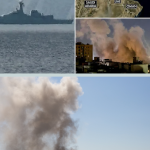
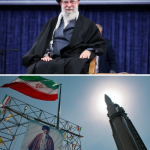
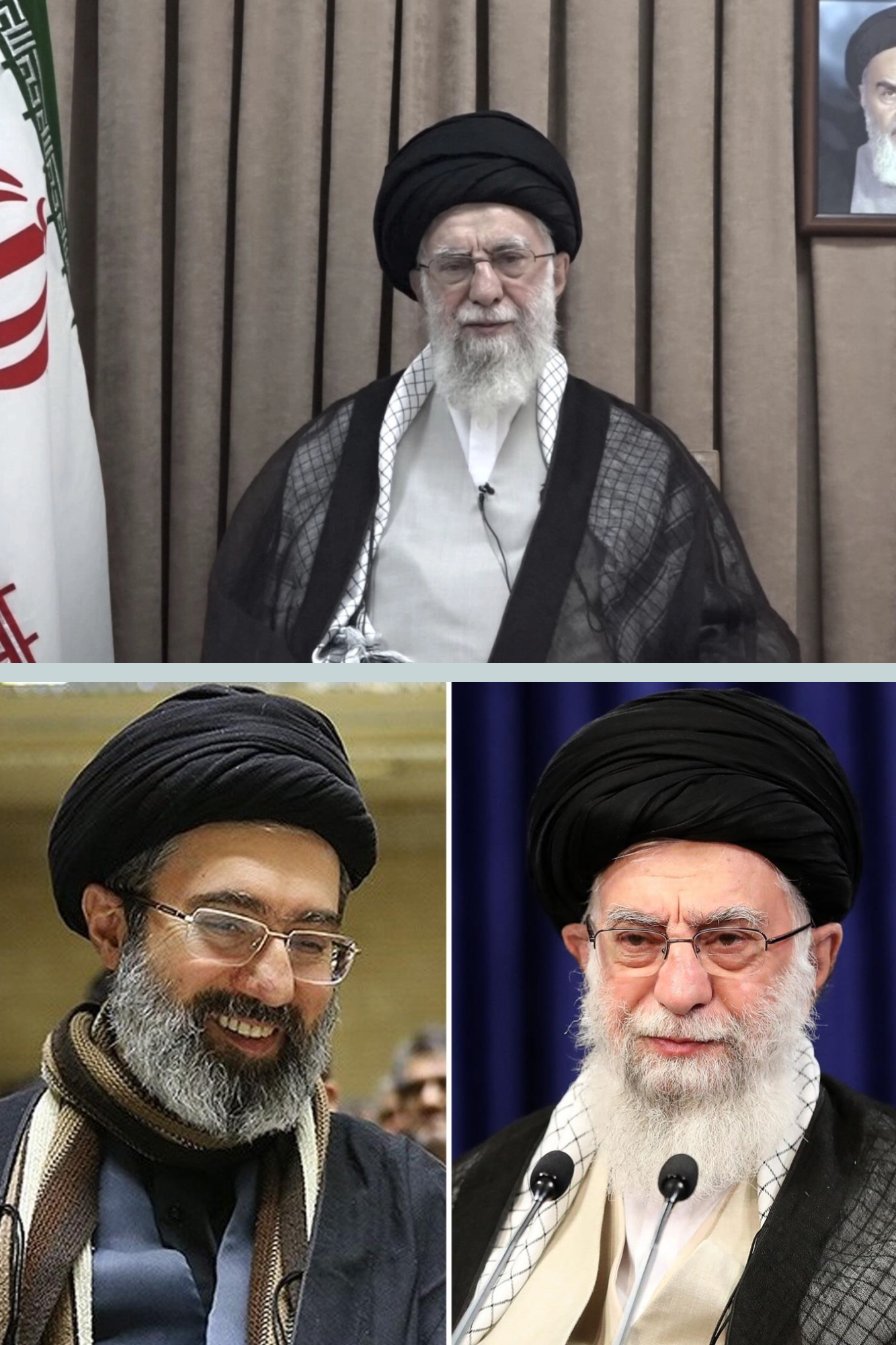
Iran has entered a period of deep political uncertainty following reports that Supreme Leader Ali Khamenei was killed in Israeli airstrikes, creating the most significant leadership crisis in the country in decades.
Under Iran’s constitution, an interim leadership structure is expected to manage state affairs while the powerful Assembly of Experts selects a new supreme leader. The process could take weeks or months, raising concerns about internal power struggles during an already volatile regional conflict.
One widely discussed possibility is the rise of Mojtaba Khamenei, the late leader’s son, who is believed to hold strong influence within Iran’s Islamic Revolutionary Guard Corps (IRGC). Supporters see him as a figure capable of maintaining continuity, but critics argue that a hereditary-style succession would be controversial and could face resistance from senior clerics.
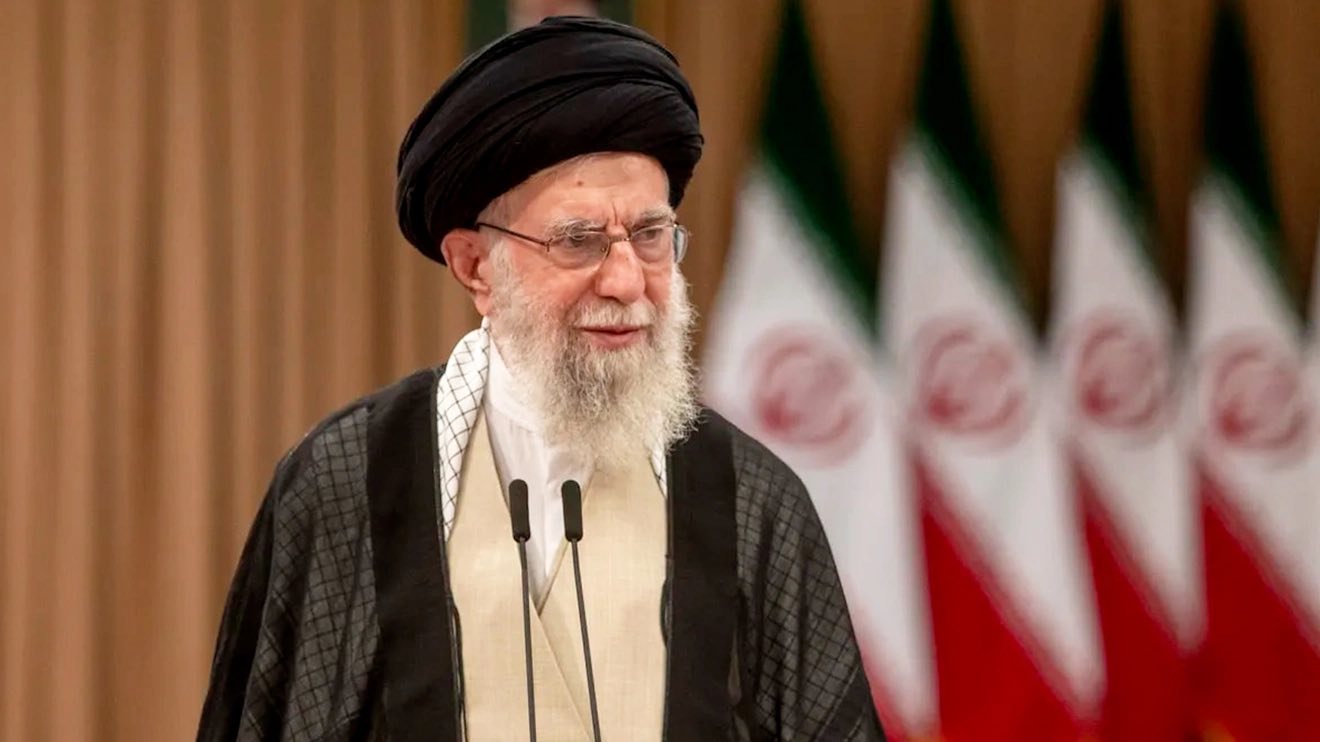
Analysts say Iran now faces several possible paths — a hardline successor maintaining current policies, a collective leadership model, or internal factional competition that could destabilize the political system. The outcome will likely shape Iran’s military strategy, nuclear policy, and relations with the West in the months ahead.
As tensions remain high across the Middle East, the leadership transition in Tehran is being closely watched worldwide, with fears that uncertainty inside Iran could further escalate regional conflict.