After Khamenei: Who Actually Controls Iran Right Now?
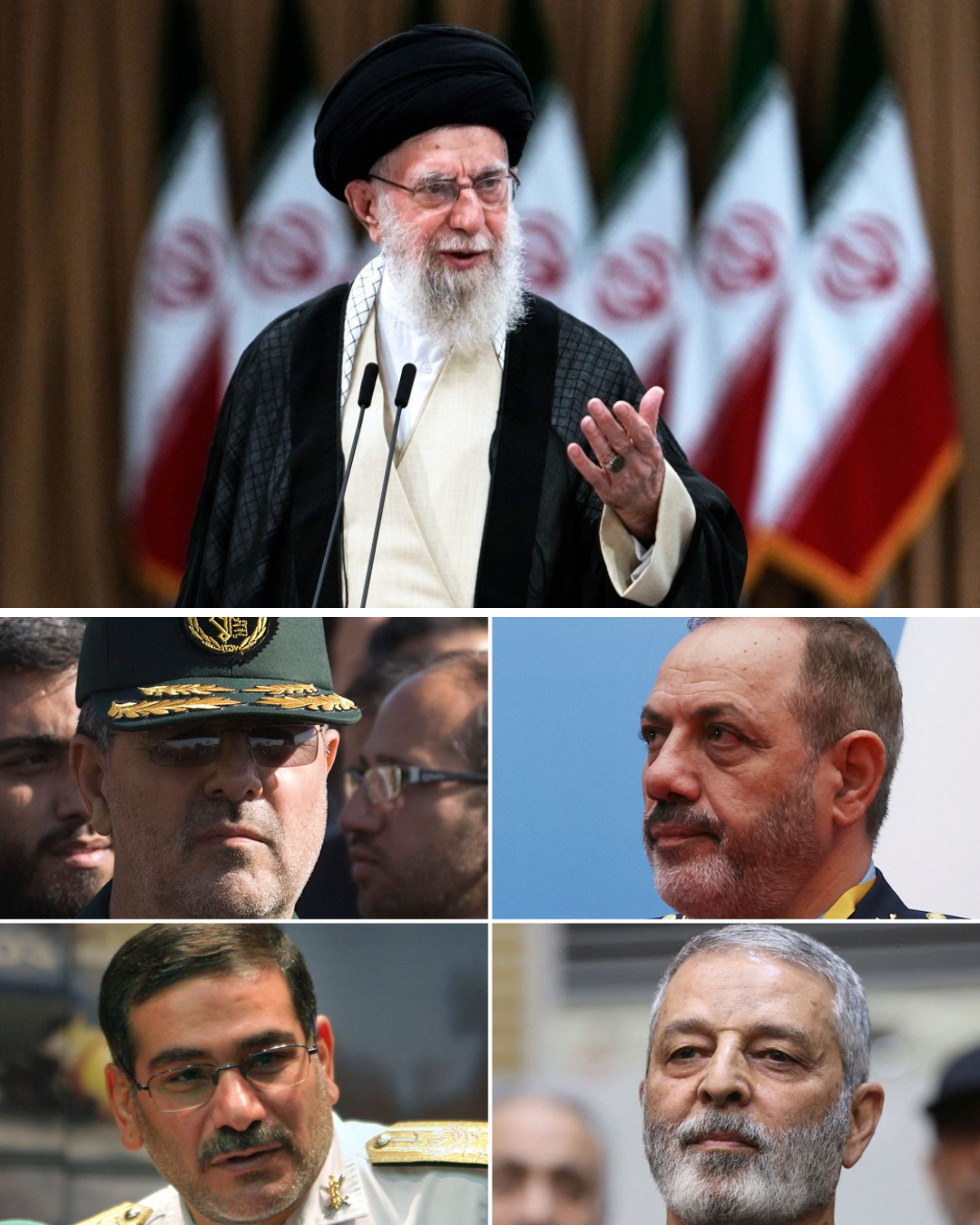
The death of Ayatollah Ali Khamenei on February 28, 2026 — killed in a U.S.-Israeli strike while reportedly working in his Tehran office — has opened what analysts are calling one of the most dangerous power vacuums in modern geopolitical history. The question echoing across every intelligence agency, foreign ministry, and stock exchange on the planet is deceptively simple: Who is in charge of Iran?

The answer, disturbingly, is: nobody knows for certain.
Under the Islamic Republic’s constitution, the supreme leader holds ultimate authority over the armed forces, the judiciary, national security, and foreign policy. Without a named successor, that power is meant to transfer provisionally to the president, currently Masoud Pezeshkian, operating alongside the government and the Assembly of Experts — the body of senior ayatollahs constitutionally empowered to select a new supreme leader. But in practice, the picture is far murkier.
“There is no successor,” said Cedomir Nestorovic, professor of geopolitics at ESSEC Business School Asia Pacific. “All the cards are on the table.” Khamenei reportedly identified three clerics as potential successors before his death, but none of these names have been publicly confirmed, and at least some members of the Assembly of Experts may themselves have been casualties in the strikes.

The institution that most observers believe will fill the vacuum — at least in the short term — is the IRGC. The Revolutionary Guard controls vast economic assets, commands a network of regional proxy militias including Hezbollah, Hamas, and the Houthis, and has deep roots in Iran’s provincial administrative structures. In the days following Khamenei’s death, it is IRGC commanders who are believed to be making real-time decisions about missile launches — because missile authority was pre-delegated precisely to prevent paralysis in a decapitation scenario.
Forbes analyst Guney Yildiz outlined four possible succession scenarios. The most likely outcome — estimated at approximately 35% probability — is IRGC consolidation of power around a collective leadership while a new clerical figurehead is identified and legitimized. A second scenario, assessed at 30%, involves a prolonged factional struggle between IRGC factions, remaining clerical elements, and provincial commands, producing months of contested authority and unpredictable energy markets. A third scenario envisions a genuine reformist opening, where internal pressure and external strikes accelerate a negotiated transition toward a more moderate government. The fourth, most chaotic scenario — full fragmentation — is assessed as unlikely but not impossible.
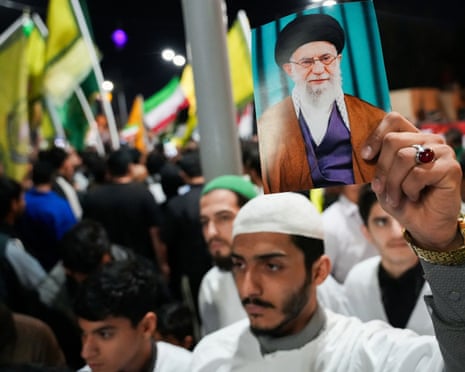
Ali Larijani, one of Iran’s most senior political figures, appeared on state television to announce the formation of a provisional leadership council and warned ominously that any internal “secessionist factions” would face severe repercussions. The message was clear: the regime intends to maintain cohesion. But intent and capability are very different things when the top two tiers of military command have been liquidated within nine months.
The wild card is Iran’s population. Mass protests had been ongoing for weeks before the strikes, with U.S. and Iranian officials themselves citing the crackdown on domestic unrest as a contributing factor to the military escalation. Now, with Khamenei gone, communications disrupted, and the IRGC stretched between managing domestic dissent and conducting retaliatory strikes across the Gulf, the streets of Tehran represent an unpredictable variable that no military planner can fully account for.
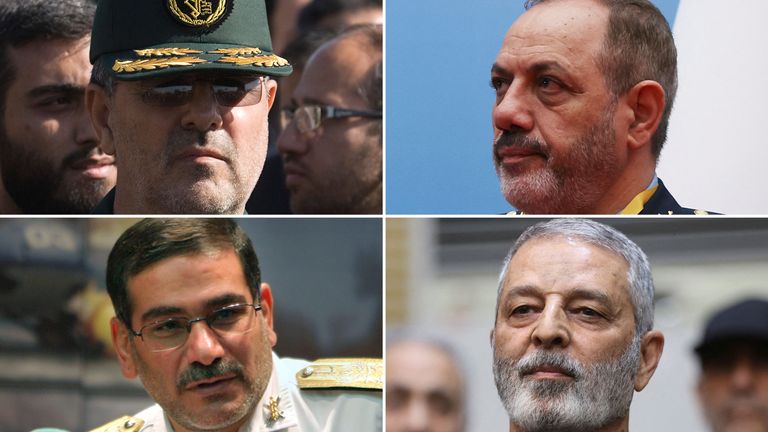
There is also the question of legitimacy. The supreme leader’s authority in the Islamic Republic is not merely political — it is theological, derived from the Shia concept of velayat-e faqih, the “guardianship of the Islamic jurist.” A military strongman can fire missiles, but he cannot easily claim the spiritual authority that Khamenei embodied. Whoever succeeds him will need to bridge the gap between guns and God — and in revolutionary Iran, that has never been a simple equation.
The next 72 hours may determine whether Iran stabilizes under emergency governance, descends into factional conflict, or becomes something entirely new. The world is holding its breath.