The Headless Missile: Why Iran’s Retaliation May Be Impossible to Stop
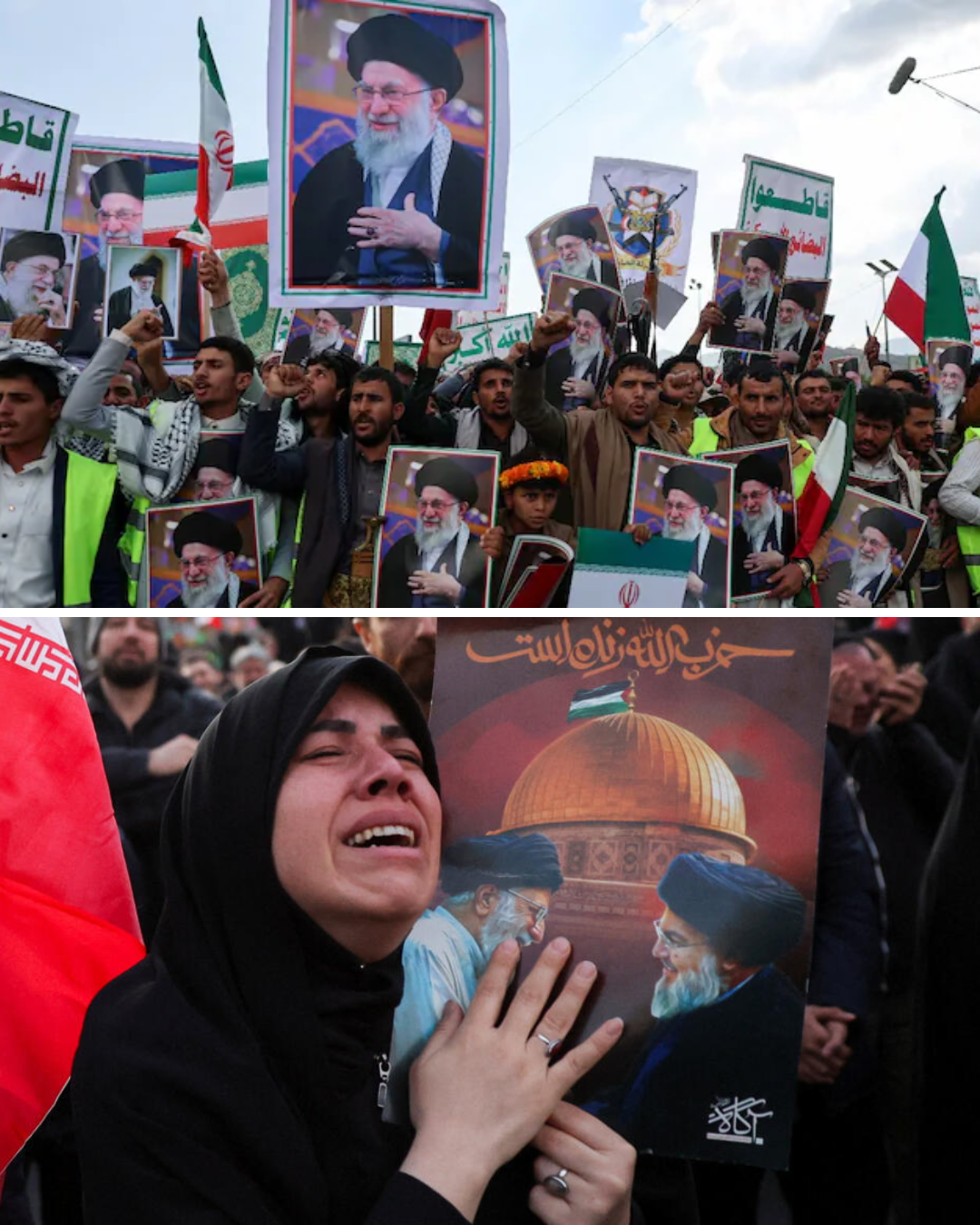
One of the most chilling aspects of the current Iran–United States conflict is a strategic reality that Western planners understood before the first bomb fell: killing Iran’s leadership does not switch off Iran’s weapons. In fact, it may make them more dangerous.
According to analysts cited by Forbes, Iran had long ago pre-delegated missile launch authority specifically to guard against the scenario that is now unfolding — a decapitation strike that eliminates the top command. This means that with Supreme Leader Khamenei dead, the IRGC commander-in-chief killed, and key members of the Supreme Defense Council eliminated, Iran’s ballistic missiles are still flying — and there is, as Forbes bluntly states, “currently no clear authority to decide when to cease missile operations.”

This is the nightmare scenario. Not a nuclear weapon. Not a prolonged ground war. But a cascade of ballistic missiles being fired by a command structure that has lost its head, guided by pre-set orders and operational commanders who may have no way of receiving a ceasefire signal even if one were offered.
On March 1, CENTCOM confirmed that U.S. forces had successfully defended against “hundreds of Iranian missile and drone attacks.” The Iron Dome, David’s Sling, and U.S. Patriot batteries have been working at unprecedented intensity. But missile defense is never 100%. Every salvo represents a probability, and probabilities compound over time. Two people have already been killed and over 100 injured from Iranian strikes, with damage reported across several Gulf facilities.

The IRGC’s formal declaration that “all military installations of the U.S. and Israel in the Middle East have been impacted by the formidable strikes of Iranian missiles” — and that operations will “persist until the enemy is decisively overcome” — carries particular weight when read in the context of pre-delegated authority. This is not political posturing from a leader weighing options. This is an institutional mandate operating on autopilot.
The geography amplifies the danger. Iran’s missiles are designed to reach Bahrain, Qatar, Kuwait, Saudi Arabia, the UAE, Jordan, and Israel. These countries collectively host U.S. airbases, naval facilities, and hundreds of thousands of civilian and military personnel. The Gulf region is also home to critical global oil and gas infrastructure. A single ballistic missile striking the wrong facility — whether by design or miscalculation — could trigger consequences that extend far beyond the immediate battlefield.
Military analysts have long debated whether the Strait of Hormuz would be weaponized by Iran in a conflict scenario. Forbes specifically flags Hormuz closure as a live possibility in the current crisis. Oil markets have already reacted sharply, and that reaction could deepen.
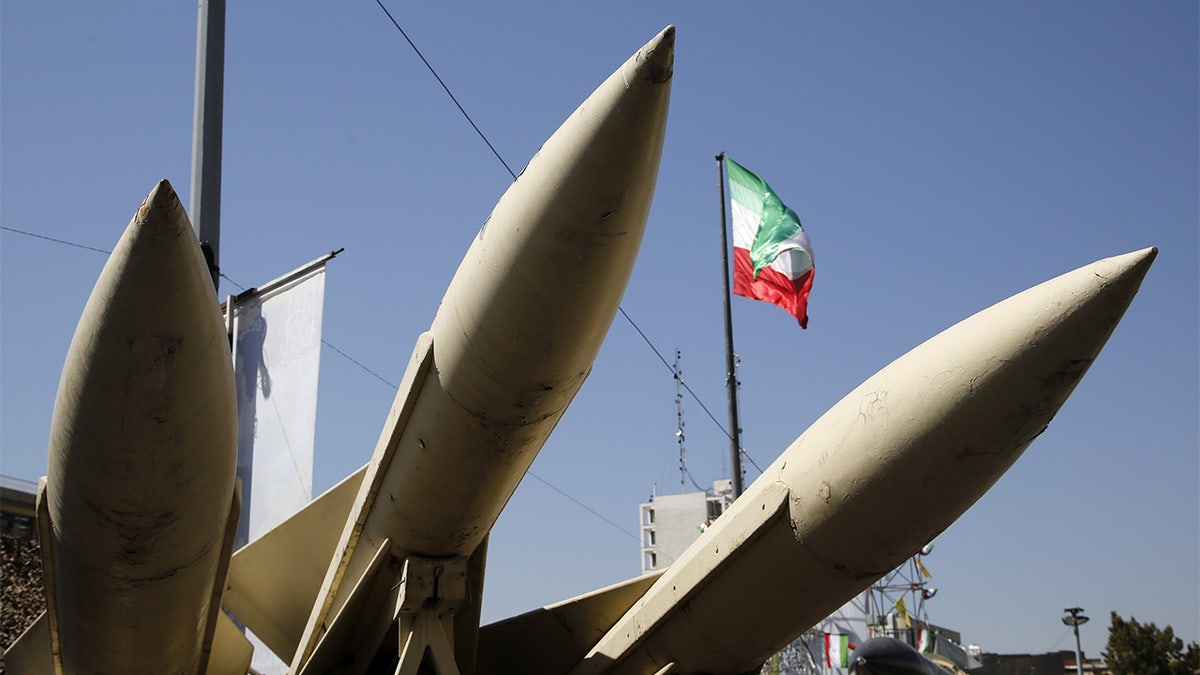
There is a profound strategic paradox at the heart of Operation Epic Fury. By killing the leadership, the U.S. and Israel may have eliminated the people who had the authority and institutional incentive to accept a ceasefire. The clerical leadership, for all its hardline rhetoric, was ultimately a political institution with survival instincts. The IRGC mid-tier commanders now potentially holding the keys to the missile arsenal are military men operating under combat protocols — not diplomats with a phone line to Washington.
This is why the calls for diplomatic back-channels have grown louder even as the bombs continue to fall. Qatar, which hosts both a major U.S. military base and has historically served as an intermediary with Tehran, is being looked to once again. The question is whether any message sent through those channels will be received — and by whom — on the Iranian side.
The missiles keep flying because the system was designed to keep flying. Stopping them may require not just military superiority but a diplomatic breakthrough with a government that is still figuring out who it is.