The Hormuz Gambit: Iran’s Ultimate Economic Weapon
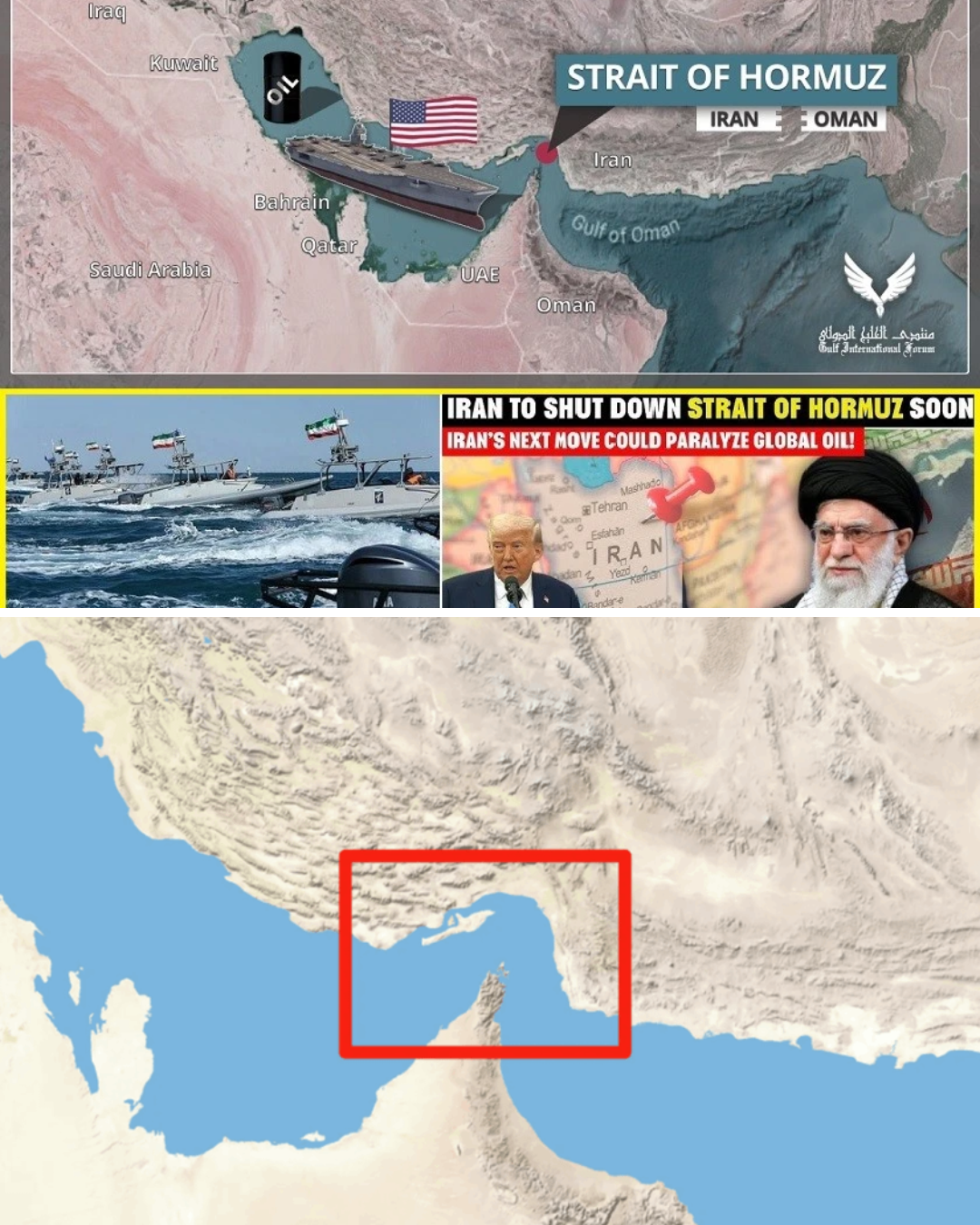
While the world fixates on the bombs falling on Tehran and the missiles arcing toward Gulf military bases, energy analysts and shipping executives are watching a different screen entirely — one that tracks tanker movements in and out of the Strait of Hormuz. Because if Iran decides to play its most powerful remaining card, the consequences could be felt not in the Middle East alone, but in every gas station, factory, and household across the globe.
The Strait of Hormuz is the world’s most critical oil chokepoint. Approximately 20 percent of the world’s total oil supply — and a significant share of liquefied natural gas — transits this narrow passage between Iran and Oman every single day. If that flow is interrupted for even a week, the economic shock would be immense. If it were interrupted for a month, it would be catastrophic.
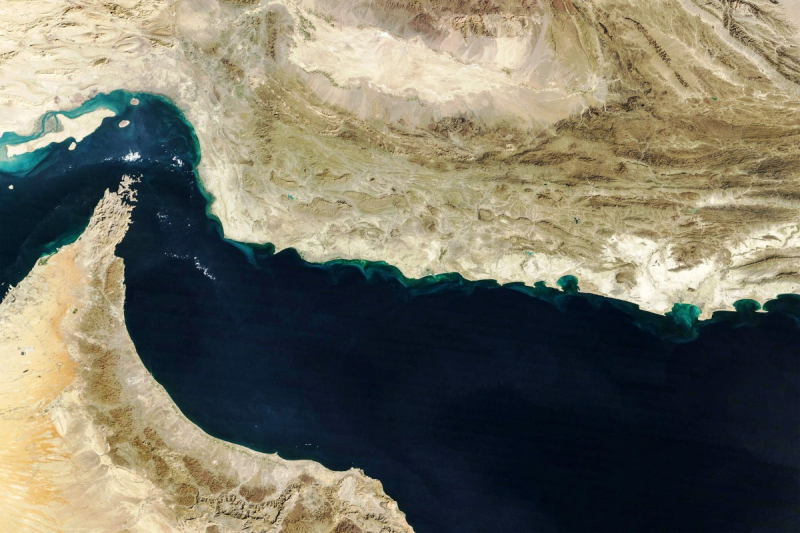
Iran has threatened to close the strait before, in multiple escalation cycles over the past two decades. It has never fully followed through — partly because doing so would also harm its own oil export revenues, and partly because the U.S. Navy’s Fifth Fleet, headquartered in Bahrain, was always positioned to respond. But this crisis is different. Iran’s leadership has been decapitated. The regime’s decision-making is now fragmented across IRGC factions operating with pre-delegated authority. And the economic leverage calculation has shifted: a regime fighting for survival has far less to lose from disrupting global oil markets than one that is negotiating sanctions relief.
Forbes flagged Hormuz closure as a live variable in its post-strike succession analysis, and the markets have taken notice. Oil futures spiked sharply in the immediate aftermath of Operation Epic Fury, and analysts at major investment banks have begun modeling scenarios in which disruptions persist for between two and eight weeks.
The IRGC Navy, even in its current degraded state, possesses the tools to threaten Hormuz. Fast attack craft, anti-ship missiles, and naval mines — Iran’s preferred asymmetric maritime weapon — can be deployed with minimal command coordination. A mine-laying operation in the strait’s narrowest point could be executed by a single IRGC naval unit acting on standing orders, with no instruction required from Tehran’s now-contested central leadership.
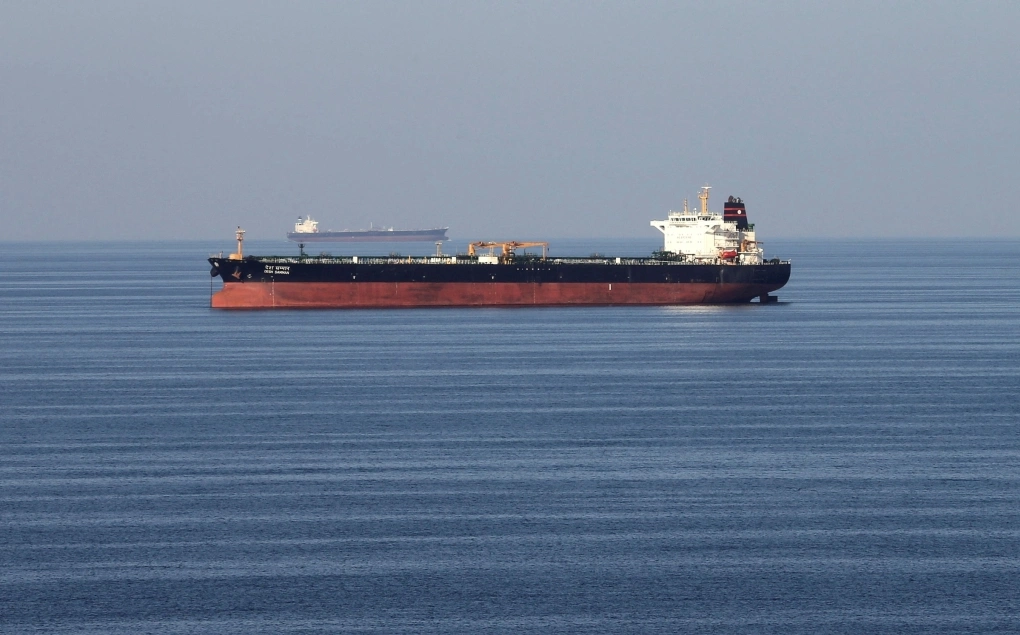
For Gulf Arab states that host U.S. military bases and have now been targeted by Iranian missiles, the Hormuz question is existential. Saudi Arabia, the UAE, and Qatar are the world’s leading oil and gas exporters. Their economic models — and the social contracts they maintain with their populations — depend on uninterrupted energy exports. This is precisely why they have been ambivalent about Operation Epic Fury, whatever their private relief at Khamenei’s elimination.
The United States, for its part, has already begun positioning additional naval assets to protect commercial shipping lanes. But protection and deterrence are different things when IRGC unit commanders are operating without centralized oversight. An American destroyer defending a tanker against an IRGC fast boat swarm is a manageable scenario. Forty IRGC fast boats acting simultaneously, guided by standing combat orders rather than real-time commands, is a different proposition entirely.

There is also the reputational dimension for Gulf Arab states. Having allowed the U.S. to use their territory as launch pads and logistics hubs for strikes that killed Iran’s supreme leader, Saudi Arabia, the UAE, Bahrain, and Qatar have now made themselves permanent targets in Iranian strategic planning — regardless of how this particular conflict resolves. The era of Gulf states maintaining calculated ambiguity in U.S.-Iran disputes may be over.
Iran without its nuclear program is still Iran. It still controls the world’s most critical maritime chokepoint. It still has a regional proxy network that stretches from Lebanon to Yemen. And it still has an IRGC whose institutional culture is built around the idea of “resistance” — even in the face of overwhelming force. The Hormuz card has not yet been played. But the table is set.