The People’s Moment: Will Bombs Spark the Revolution Tehran Has Always Feared?
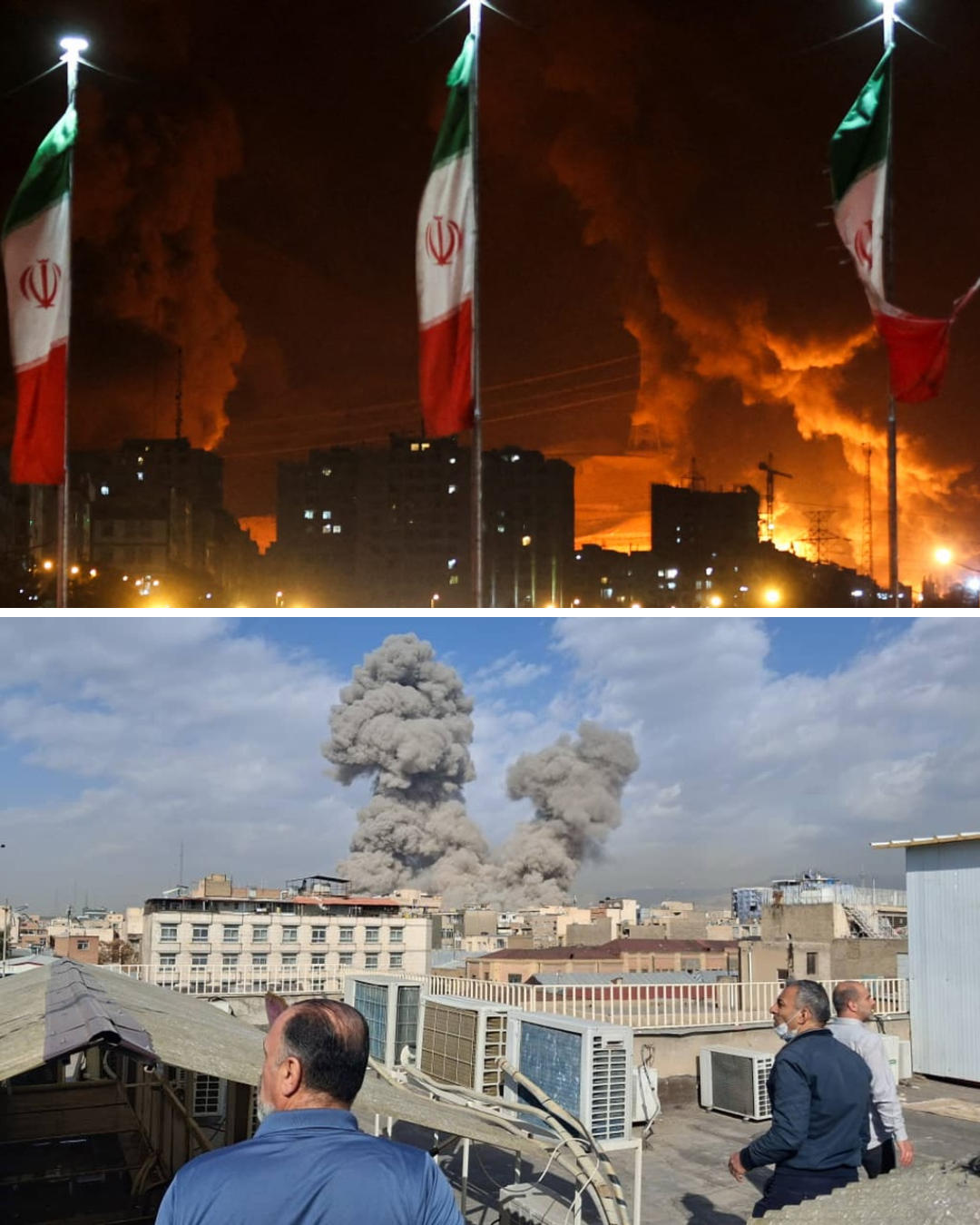
Every U.S. administration that has confronted the Islamic Republic of Iran has wrestled with the same seductive question: if the regime is under enough pressure, will the Iranian people rise up and finish the job? The answer, across four decades and multiple crises, has consistently been: it is far more complicated than that. The events of the past 72 hours are testing that question at a scale and intensity never previously attempted.

The context matters enormously. When Operation Epic Fury commenced on February 28, 2026, Iran was not at peace. The country had been rocked by mass protests for weeks, triggered by the regime’s brutal crackdown on internal dissent. U.S. officials — including Secretary of State Marco Rubio — explicitly cited the “ongoing crackdown on domestic protests” and the “growing death toll and mass detentions” as factors in the escalation toward military action. Iran’s streets were already restive. The question is whether foreign bombs consolidate opposition to the regime or inadvertently trigger a nationalist closing of ranks.
History offers cautionary data for the “bombs-as-liberator” theory. The 1980-1988 Iran-Iraq War — eight years of devastating conflict initiated by Saddam Hussein — had precisely the opposite of a revolutionary effect on Iranian society. It galvanized the Islamic Republic, gave the IRGC institutional legitimacy, cemented the clerical establishment’s narrative of external aggression, and forged a generation of Iranian men who understood the revolution through the lens of sacrifice and martyrdom. The external enemy unified a society that might otherwise have fragmented.

This is why multiple analysts have expressed skepticism about the “regime change from the air” hypothesis. “Neither Israel nor the Americans will put boots on the ground,” noted one Middle East security expert cited by Channel News Asia. “Any meaningful shift would likely come from within the regime’s own centers of power — potentially from factions inside the IRGC — rather than from opposition groups abroad, which are fractured and not very powerful.”
Yet this crisis has features that distinguish it from previous escalations. Khamenei is not injured or humiliated — he is dead. His death, alongside that of senior military commanders, represents a genuine structural rupture in the Islamic Republic’s leadership apparatus. The provisional leadership council scrambling to assert authority does not carry the theological or institutional weight of a living supreme leader. The velayat-e faqih system — the entire ideological architecture of the Islamic Republic — is built around the concept of a singular, divinely guided jurist-guardian. Without that figure, the system’s legitimacy is structurally uncertain.
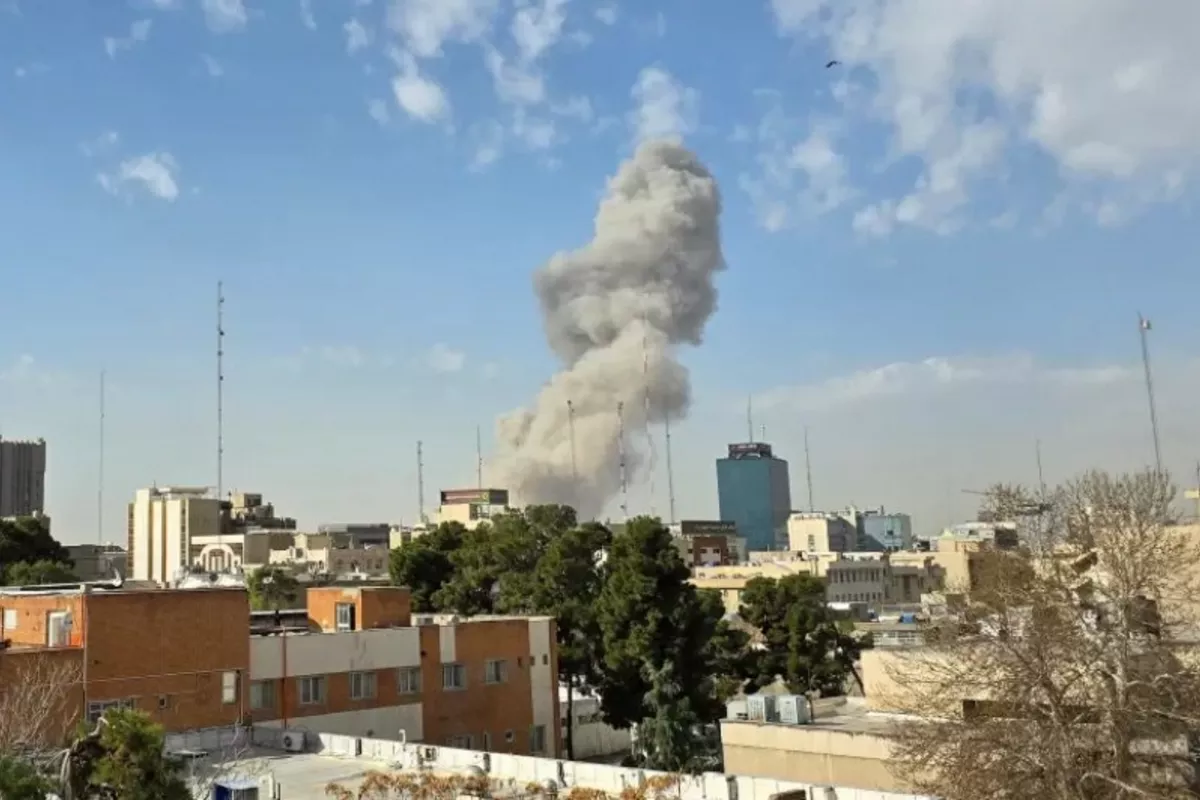
The internet blackout, paradoxically, may be the regime’s admission of that vulnerability. If the leadership were confident that the Iranian public would rally around the flag, it would want that rallying visible to the world. Instead, it has gone dark — suggesting acute anxiety about what communications between ordinary Iranians might reveal about their actual sentiments.
What U.S. officials appear to be counting on is a third scenario between “revolution” and “consolidation”: a gradual unraveling, in which the combination of external military pressure, internal protest energy, economic collapse, and leadership vacuum creates conditions for a negotiated transition rather than a dramatic popular uprising. This is a more plausible scenario than a Hollywood-style revolution, but it carries its own risks — including a prolonged period of instability in which no one is clearly in charge of Iran’s missiles, nuclear material, or proxy networks.
The Iranian people are not passive recipients of events being done to them. They have agency, political memory, and legitimate grievances against both their own government and the foreign powers that have historically intervened in their affairs. What they choose to do in the coming days will matter as much as any military calculation. The revolution that actually reshapes Iran may not look like anything anyone is currently predicting.