Day 2: Three Americans Dead, Hormuz ‘Closed’ — The War Enters a Darker Phase
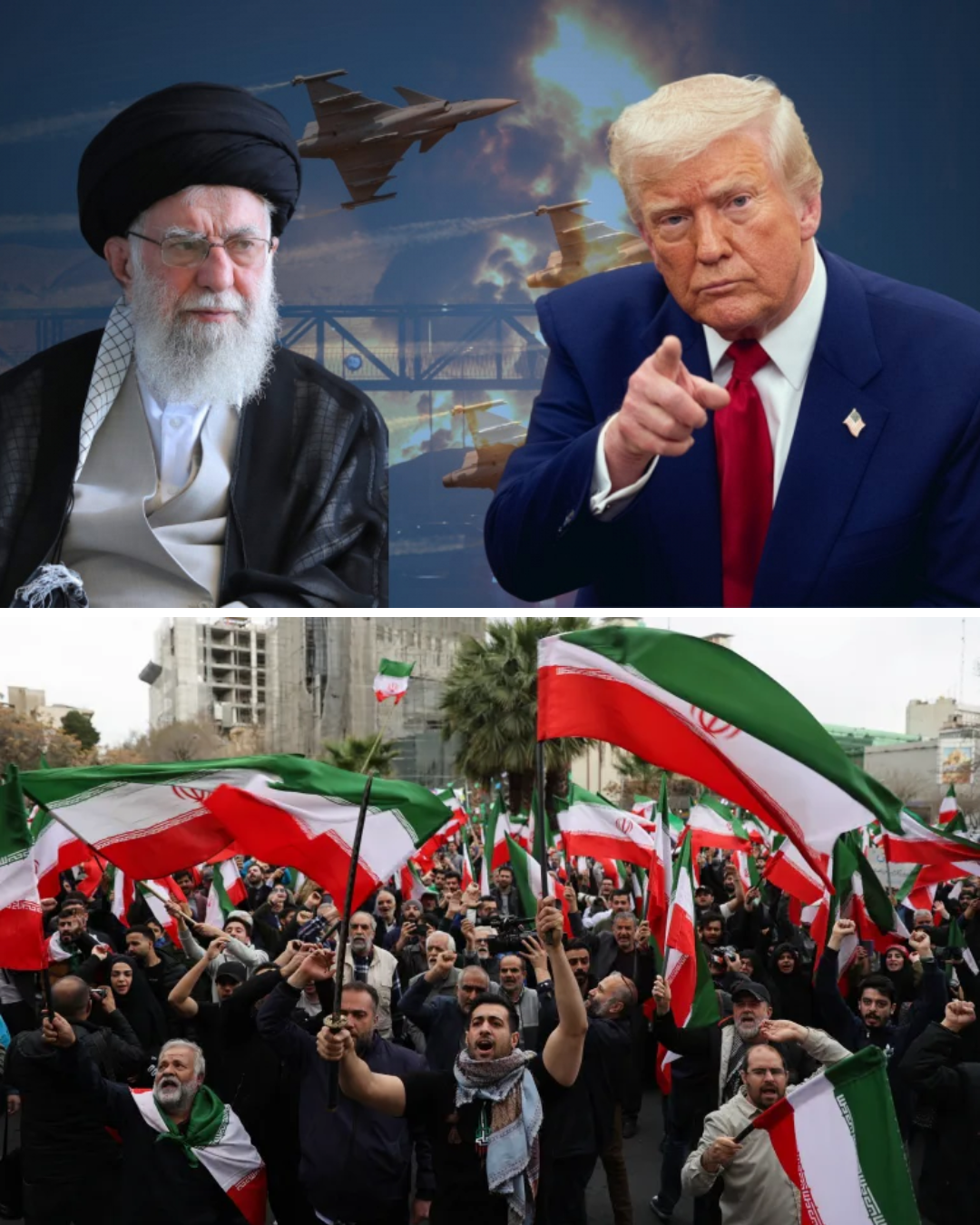
The conflict that began in the early hours of February 28, 2026 has entered a grimmer second chapter. The U.S. military confirmed Sunday evening that three American service members had been killed in action and five others seriously wounded — the first American combat deaths of the war — as Iran’s retaliatory missile and drone offensive continued to batter U.S. facilities across the Gulf. Simultaneously, the IRGC-affiliated Tasnim News Agency declared that the Strait of Hormuz was “effectively closed,” a statement that sent oil markets into frenzy and raised the specter of a global energy crisis layered atop an already volatile military confrontation.
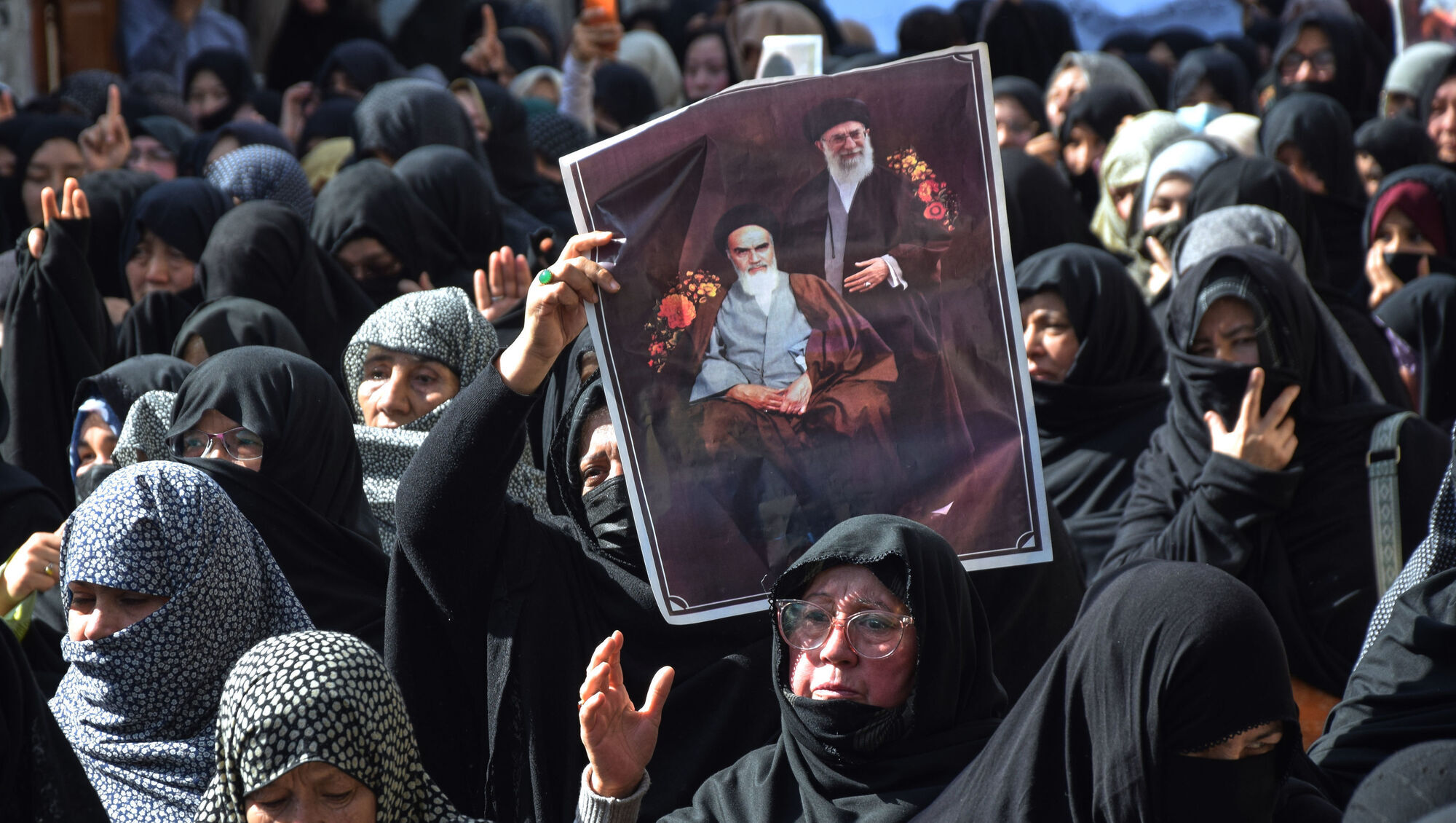
The three service members were killed in one of the Iranian missile strikes targeting U.S. bases in the Gulf region, according to a U.S. military statement released Sunday afternoon. CENTCOM declined to specify the exact location, citing operational security, but confirmed that five additional personnel had sustained serious wounds. The announcement marked a critical inflection point: the political and strategic calculus of a conflict absorbs casualties in a fundamentally different way once American blood has been shed on soil.
Iran’s parliamentary speaker Mohammad Bagher Qalibaf appeared in a televised address Sunday, delivering a message that was striking in its raw defiance. “You have crossed our red line and must pay the price,” he declared, according to the Associated Press. “We will deliver such devastating blows that you yourselves will be driven to beg.” The IRGC issued an equally unambiguous statement, promising “the most ferocious offensive operation in the history of the Iranian armed forces” targeting U.S. bases and Israel.

Meanwhile, the Strait of Hormuz declaration cannot be dismissed as rhetoric. The IRGC Navy retains fast attack craft, anti-ship missiles, and mine-laying capacity even in its degraded state. Port of Jebel Ali in Dubai — one of the world’s busiest container hubs — was reported to have sustained damage, with smoke seen rising from the facility, witnesses told multiple news agencies. If confirmed as a deliberate IRGC strike, it would represent a dramatic escalation: targeting civilian commercial infrastructure rather than purely military installations.
The latest casualty tracker published by Al Jazeera puts the death toll inside Iran at 201 people killed and 747 injured in the first 36 hours of strikes. In Israel, nine people have been killed and 121 injured from Iranian missile strikes, despite Iron Dome interceptions operating at unprecedented rates.
On the second front — the air — the United States and Israel launched another round of strikes early Sunday morning local time in Iran. CBS News reported that witnesses saw explosions at Iran’s presidential office, the National Security Council building, and the city of Qom, roughly 90 miles south of Tehran. Kish International Airport on Kish Island in the Persian Gulf was also reportedly struck. The systematic targeting of Iran’s governmental architecture suggests an operation designed not just to degrade military capacity but to collapse the bureaucratic infrastructure of the state itself.

The diplomatic channel remains effectively frozen. Iran has accused the United States and Israel of exploiting the Geneva negotiation process in bad faith — launching strikes while Oman was reportedly facilitating an agreement for technical teams to meet at IAEA headquarters the following Monday. Iran’s foreign minister called the operation “a betrayal of diplomacy,” a framing that has gained significant traction in the Global South and among European capitals deeply uncomfortable with what they are witnessing.
As Sunday night fell across the Middle East, the war showed no signs of de-escalating. Three Americans are dead. Hundreds of Iranians are dead. The Strait of Hormuz — the artery through which 20 percent of the world’s oil flows — is under threat. And the question that policymakers in every capital are now asking with genuine urgency is not whether this conflict will end, but whether the mechanisms to end it still exist.