201 Iranians Dead: The Human Cost That Official Statements Cannot Contain
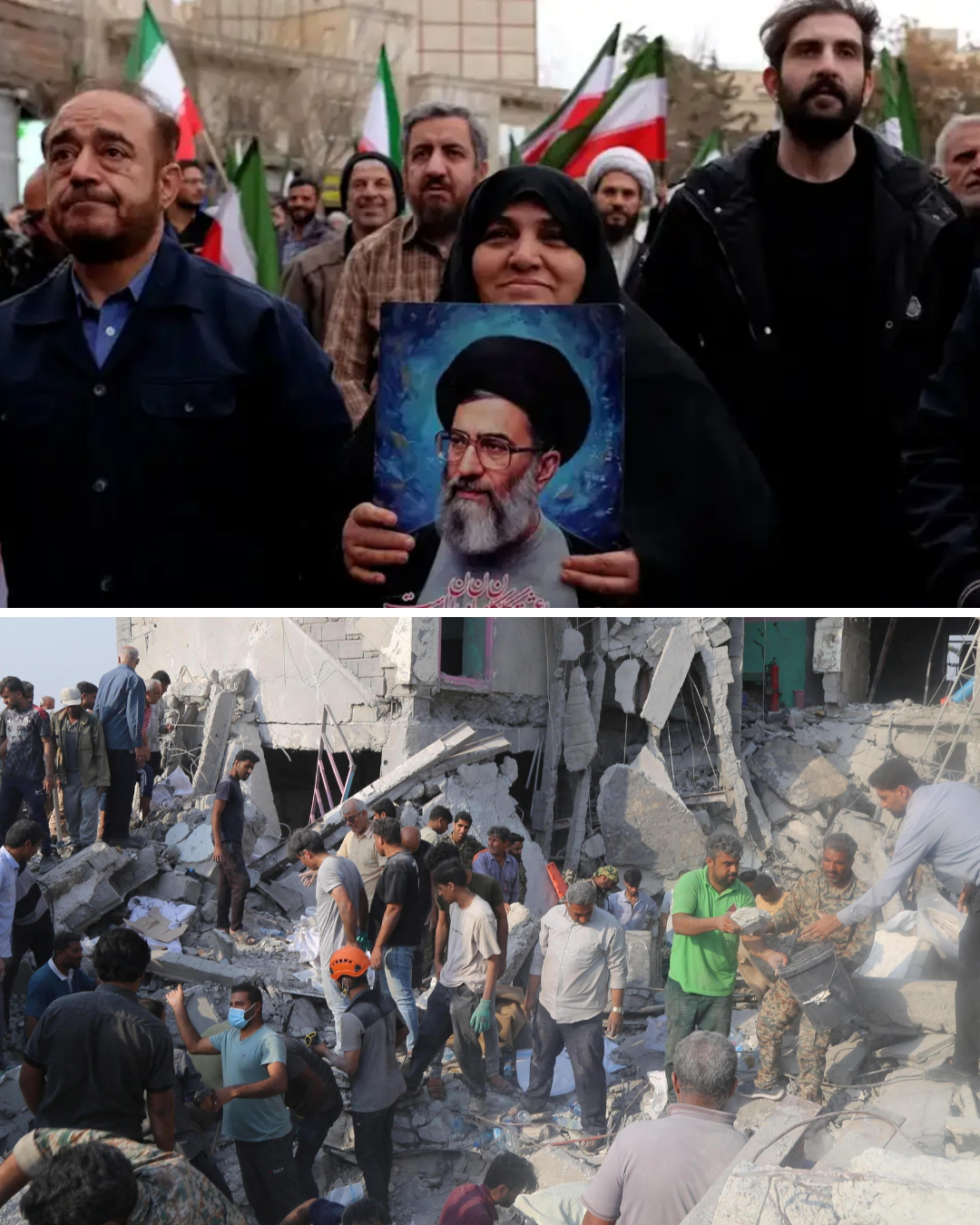
In the arithmetic of modern warfare, casualty figures serve simultaneously as evidence and argument — deployed by governments, advocacy groups, and media organizations as proof of their respective narratives about justice, necessity, and proportionality. As of Sunday March 1, 2026, the Iranian government has confirmed 201 people killed and 747 injured inside Iran in the first 36 hours of U.S.-Israeli strikes. These numbers, already staggering, almost certainly understate the actual human toll.
Let us start with what we know about who they were. The Iranian government has confirmed that among the dead are Supreme Leader Khamenei and members of his immediate family, approximately 40 government officials, and IRGC military personnel. But 201 deaths in a country of 87 million, in strikes affecting Tehran, Tabriz, Qom, Kish Island, and other locations, suggests that many of those killed were not government officials or soldiers. They were workers in offices that happened to be in targeted buildings, civil servants who showed up to government ministries at the wrong time, residents of apartment buildings adjacent to military facilities.
This is the civilian cost of modern “precision” warfare that is rarely visible in the strategic framing of conflict. The United States and Israel have invested billions of dollars in precision-guided munitions specifically to minimize civilian casualties — and by historical standards, the reported civilian death toll is indeed relatively low. But “relatively low” is not the same as proportionate. And in the absence of independent journalists inside Iran, it is not the same as accurately known.
The communications blackout that Iran’s government has imposed on its population creates a profound information asymmetry. The official death toll of 201 is a government figure from a government that has every political reason to either inflate it for martyrdom narrative purposes or deflate it to project resilience. Independent verification is impossible while the internet remains dark. Reporters Without Borders has issued an emergency statement condemning the blackout as “a deliberate obstruction of the documentation of a potential mass casualty event.” Amnesty International has called for immediate ICRC access to affected areas.
The wounded figure of 747 deserves particular attention. Serious injuries from high-explosive munitions — blast trauma, traumatic amputation, severe burns, penetrating shrapnel wounds — require immediate surgical intervention and months of specialized rehabilitation. Iran’s medical system is operating in conditions of active bombardment, communications disruption, and supply chain uncertainty. The quality of care available to those 747 injured people in the coming days will depend on factors entirely outside their control.
In Israel, nine people have been killed and 121 injured from Iranian missile strikes. The asymmetry between Iranian and Israeli civilian casualties reflects the asymmetry in offensive capacity: Iran has missiles but they are being largely intercepted; Israel has precision-guided munitions hitting targets in a country with no meaningful air defense remaining. This asymmetry is morally and legally significant — international humanitarian law’s proportionality principle requires that civilian casualties not be “excessive in relation to the concrete and direct military advantage anticipated.” Whether 201 Iranian civilian deaths meets that threshold is a question the International Court of Justice may eventually be asked to answer.
History’s accounting of any war eventually passes through its graveyards. The 201 names of the Iranians killed in the first 36 hours of Operation Epic Fury are, at this moment, almost entirely unknown to the outside world. When the internet comes back on, when journalists gain access, when families are able to speak — those names will acquire faces, professions, and stories that no strategic briefing will be able to render abstract.