Inside Trump’s Iran Warning — Analyzing the Strategic Pause
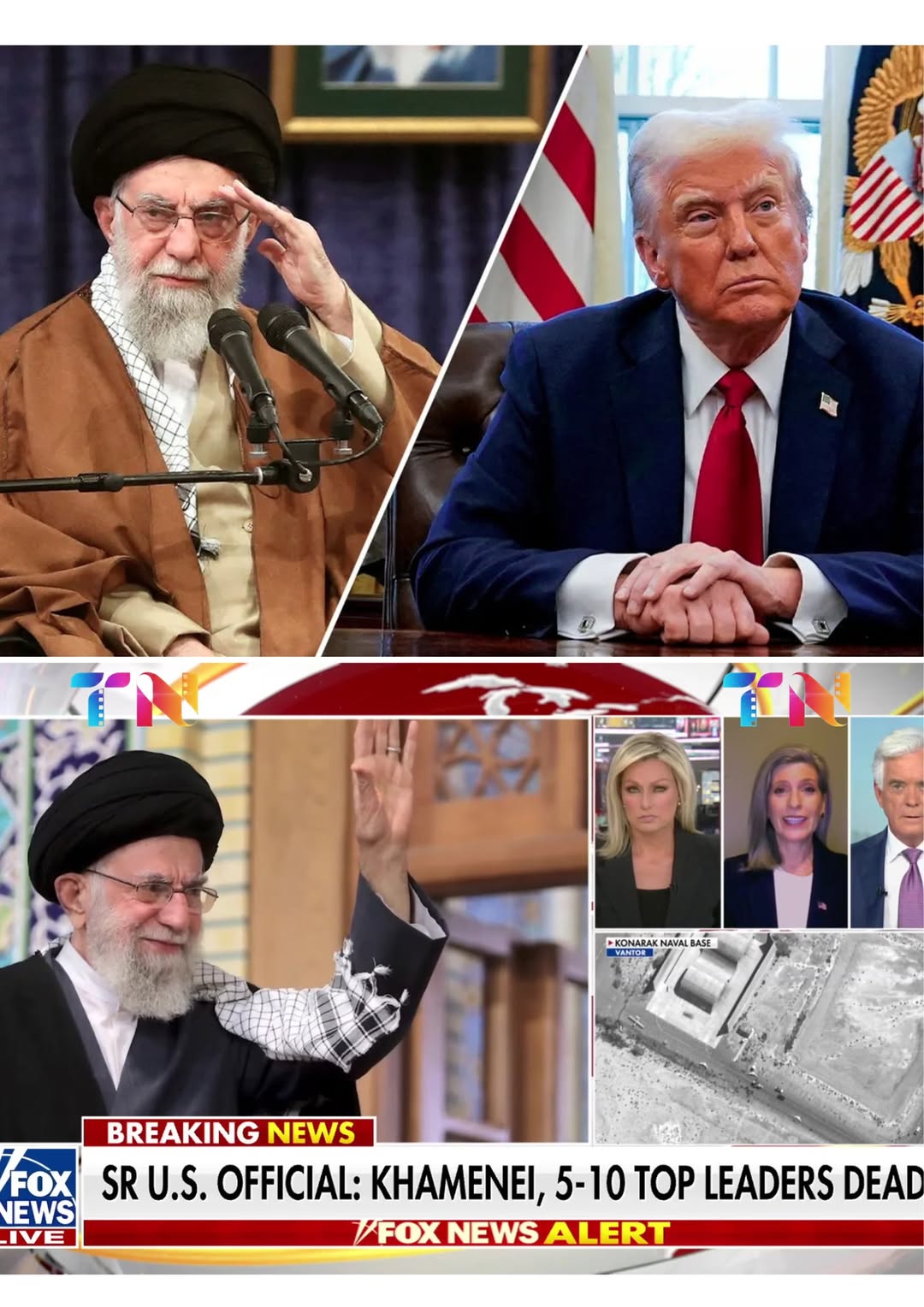
Recent reports have shed light on the moments leading up to former President Donald Trump’s statement regarding Iran, revealing a significant pause in U.S. military actions that has sparked speculation among analysts and political observers. This unexpected delay has been interpreted as a reflection of careful strategic planning and a measured approach to a sensitive international issue.
Context of the Warning
Trump’s warning came amid increasing tensions between the U.S. and Iran, alongside growing concerns over Iran’s nuclear ambitions and regional influence. The statement was characterized by its urgent tone, emphasizing the need for a firm stance against any potential aggressive actions by the Iranian government.
The Strategic Pause
The notable pause in planned actions has led many to question the rationale behind such a decision. Analysts suggest that this could indicate a desire to reassess the situation, engage in diplomatic discussions, or even to align with allies before taking further steps. This approach contrasts with previous, more immediate military responses that characterized the Trump administration’s foreign policy.

Implications for International Relations
As the story continues to develop, insights into this pause are revealing a complex landscape of international relations. Observers are closely watching how this will impact U.S.-Iran relations, regional stability, and the responses from other world powers involved in negotiations surrounding Iran’s nuclear program.
Moving Forward
With new developments emerging, the implications of Trump’s Iran warning and the strategic pause will likely shape future discussions in Washington and beyond. As leaders navigate these turbulent waters, the importance of a balanced approach that considers both security and diplomacy remains paramount.
As further details unfold, the international community will be keenly observing how the U.S. balances assertive policy with the need for dialogue, particularly in a region where the stakes are exceedingly high. The events surrounding this warning signify a critical moment in U.S. foreign policy that could have lasting repercussions on global dynamics.