Iran’s Missiles Land in Dubai, Bahrain, Qatar. The Myth of Gulf Stability Is Over.
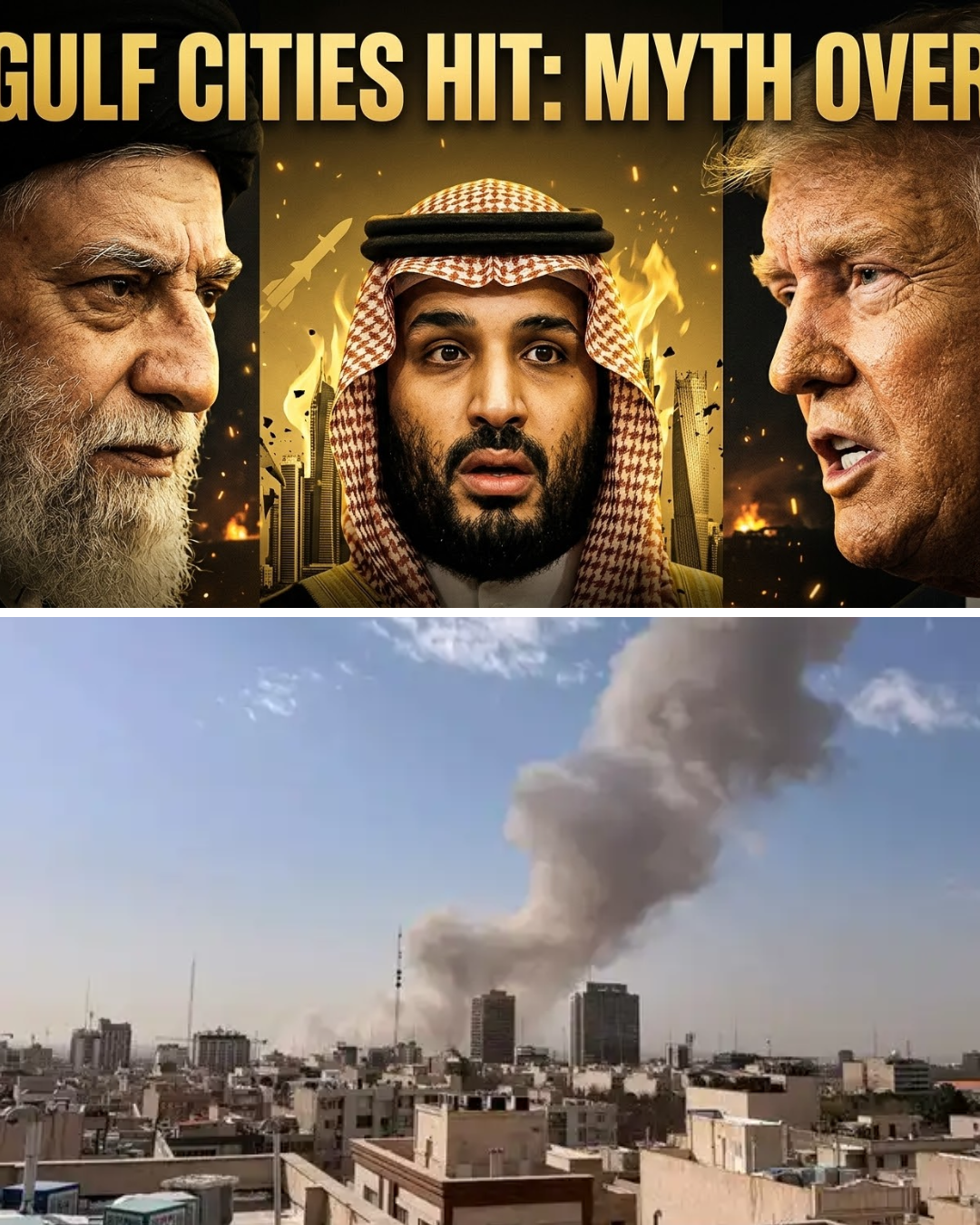
DUBAI / MANAMA / DOHA — The Gulf Cooperation Council states have spent decades constructing a carefully managed fiction: that their alliance with the United States provides an invisible shield, that the skyscrapers of Dubai and the financial towers of Manama exist in a security bubble insulated from the region’s perpetual wars. On the night of February 28–March 1, 2026, that fiction was shattered by ballistic missiles and Iranian drone swarms.
Iran’s retaliatory strikes against US and allied assets were not limited to military facilities. Missiles struck the US Navy’s Fifth Fleet headquarters in Bahrain — a direct hit confirmed by Bahraini authorities. Qatar reported intercepting missiles aimed at Al Udeid Air Base, the largest American military installation in the entire Middle East. Kuwait confirmed Iranian strikes on Ali Al-Salem Air Base, where US Air Force personnel are stationed. In the UAE, a missile struck a hangar at France’s naval air base at the Port of Abu Dhabi — an attack France’s President Macron confirmed personally, noting there were no French casualties.
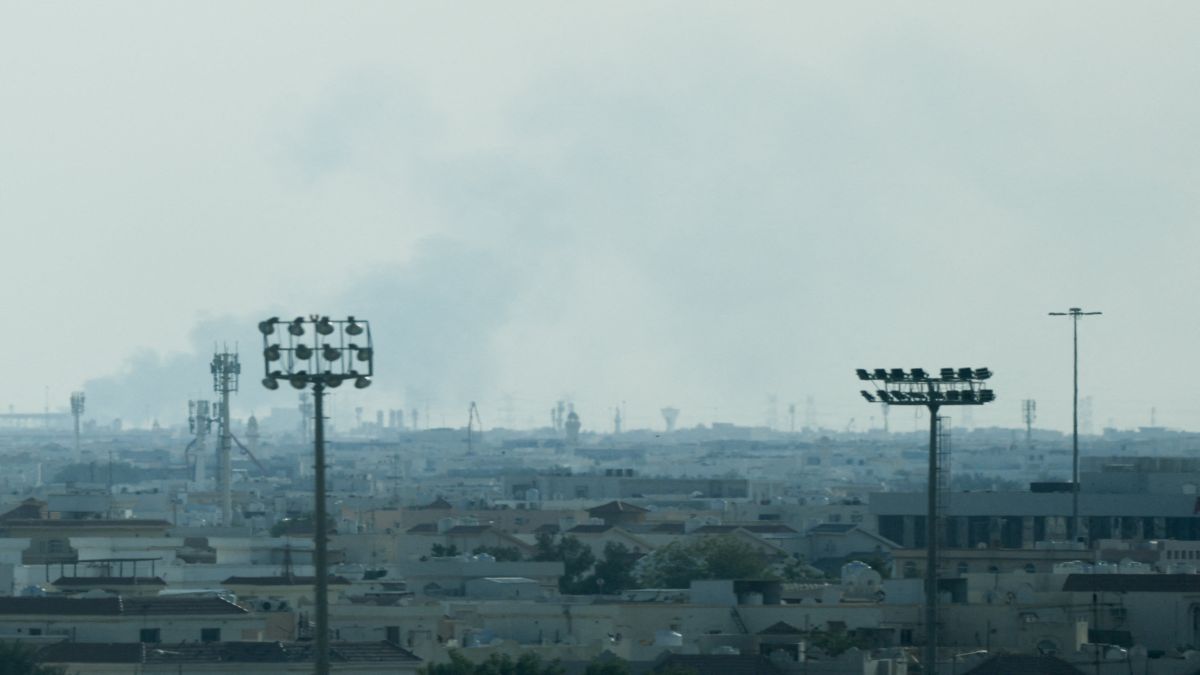)
Bahrain alone absorbed 45 missiles and 9 drones in a single night.
But the more alarming dimension of Iran’s retaliation was its deliberate targeting of civilian and commercial infrastructure in Gulf cities. According to TIME magazine’s analysis, Iranian strikes appeared designed not just to hit US bases but to challenge the image of Gulf stability itself — striking airports, commercial zones, and urban areas in proximity to American assets. The message from Tehran was unmistakable: if our cities burn, yours will too.
This creates a geopolitical dilemma for Gulf states of almost surreal complexity. Saudi Arabia, the UAE, Qatar, Kuwait, and Bahrain have all hosted US military infrastructure for decades — a strategic arrangement that generated security guarantees and diplomatic protection. Now that infrastructure has made them active targets in a war they never chose to enter.

Deutsche Welle’s analysis captured the fracture precisely: “While Iranian strikes against US bases were predictable, Iran has crossed a new threshold by targeting Gulf cities, airports, and civilian zones.” The question now is whether Gulf states, some of which had been quietly rebuilding economic ties with Tehran over the past three years, will fully align themselves with Washington’s military campaign — or begin seeking a diplomatic exit that protects their populations.
Saudi Arabia’s position is particularly fraught. Riyadh spent years in quiet détente with Tehran following the 2023 Beijing-brokered normalization agreement. That fragile diplomacy now lies in ruins alongside the buildings struck by Iranian missiles. Saudi Arabia faces a binary choice that its leadership has been desperately trying to avoid: formally enter a war against a neighbor with whom it shares a religion, a body of water, and deeply intertwined economies — or distance itself from Washington at the precise moment when American military power is at its most aggressive.
 The Strait of Hormuz — through which approximately 20% of the world’s oil supply transits daily — has not yet been formally closed. But Iran closed it for several hours during a military drill just weeks ago. If Iran makes that move permanent, oil prices above $150 per barrel are not a forecast; they are a certainty. The global economy, still fragile from years of post-pandemic stress, would face a supply shock of historic proportions.
The Gulf’s gleaming towers and sovereign wealth funds were built on the assumption of relative stability. That assumption is now ash.