America’s First Fallen Soldiers of Operation Epic Fury. Their Names Were Not Released.
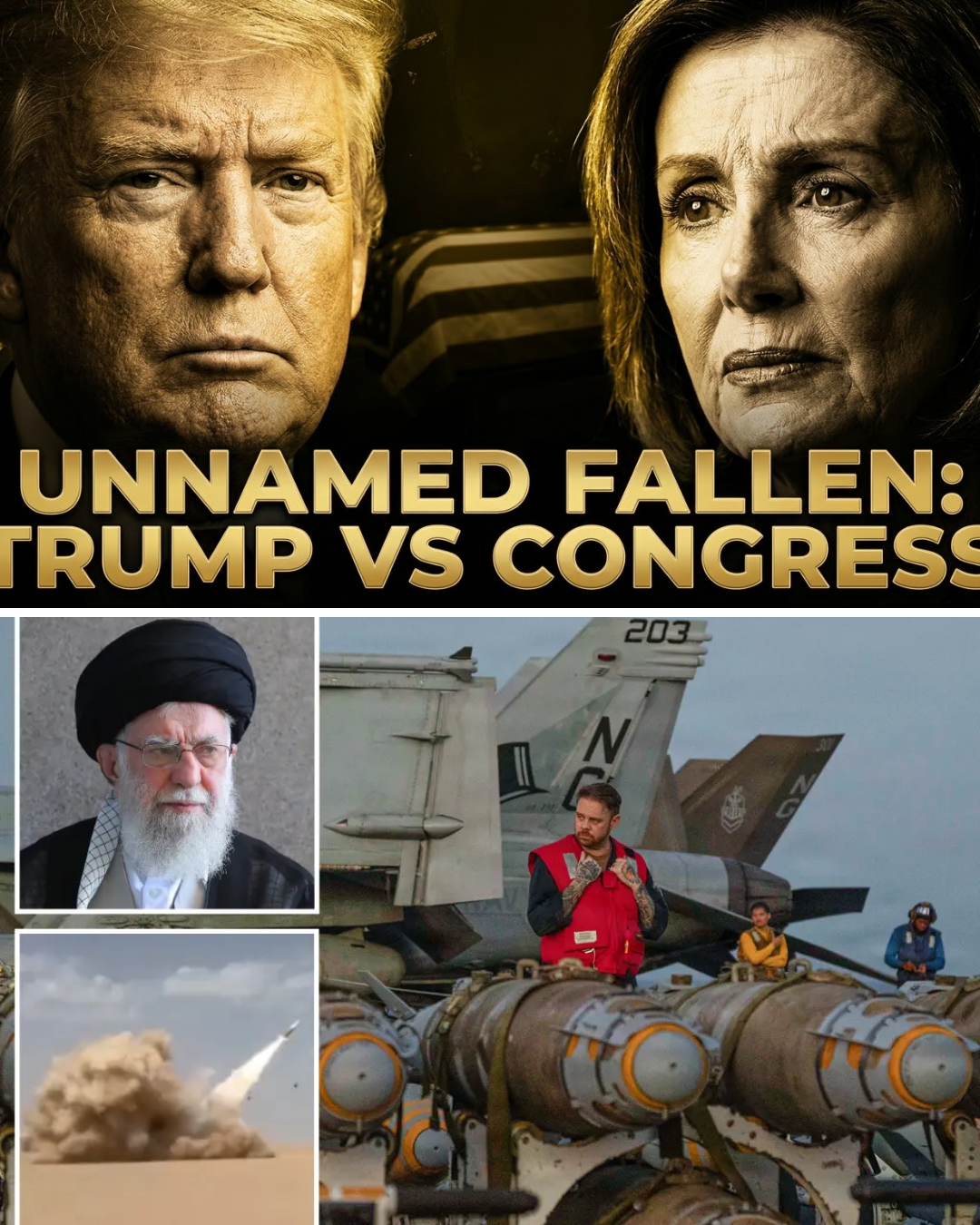
WASHINGTON D.C. — The Pentagon confirmed Sunday that three United States service members had been killed in action during Operation Epic Fury — the first American combat fatalities of the US-Iran war. Five others were seriously wounded. Their names, as of this writing, have not been publicly released, pending notification of next of kin.
Three names. Three families somewhere in America who received the knock on the door that every military family dreads above all else. Three sets of dress uniforms folded by trembling hands. Three flag-draped coffins that will arrive at Dover Air Force Base and begin the slow, crushing machinery of American military grief.

President Trump, in his Sunday video address, acknowledged that “more casualties are possible” as the operation continues. He framed the deaths as a necessary price for eliminating a regime he described as an existential threat — one “armed with long-range missiles and nuclear weapons” that “would be a dire threat to every American.”
But on Capitol Hill, the reaction was fractured in ways that reveal the deep structural tensions in American democratic governance during wartime. Democratic lawmakers expressed outrage not at the casualties per se, but at the absence of a coherent post-conflict plan. “There is no plan for the next government in Tehran,” senior Democrats told Reuters on Sunday, describing a White House that had conducted one of the most complex coordinated military strikes in modern history without articulating what comes the morning after.
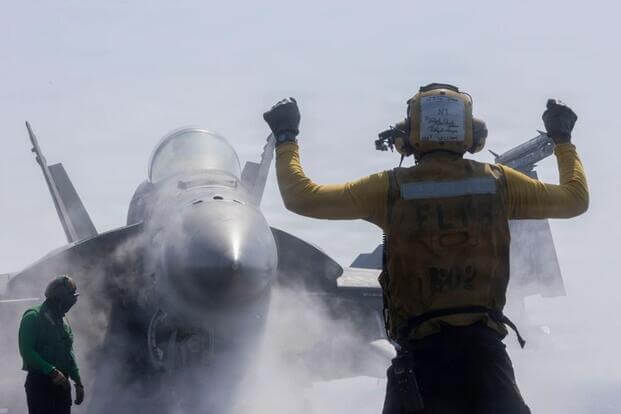
Republican leadership, meanwhile, deflected the governance question with an ideological argument: it is “up to the people of Iran,” not the United States, to determine their post-Khamenei future. This position is philosophically tidy and strategically evasive. It ignores three decades of American experience demonstrating that military decapitation of authoritarian states creates power vacuums that adversarial actors — Russia, China, and in Iran’s case, surviving IRGC commanders — are far better positioned to fill than any organic democratic movement.
The three soldiers killed represent something beyond personal tragedy. They represent the activation of the most profound political mechanism in American democracy: the use of military force, with lethal consequences for American citizens, without a formal Congressional declaration of war. The War Powers Act gives the President 60 days of independent military action. But as Vietnam, Iraq, and Afghanistan demonstrated, 60 days has a way of becoming 20 years.
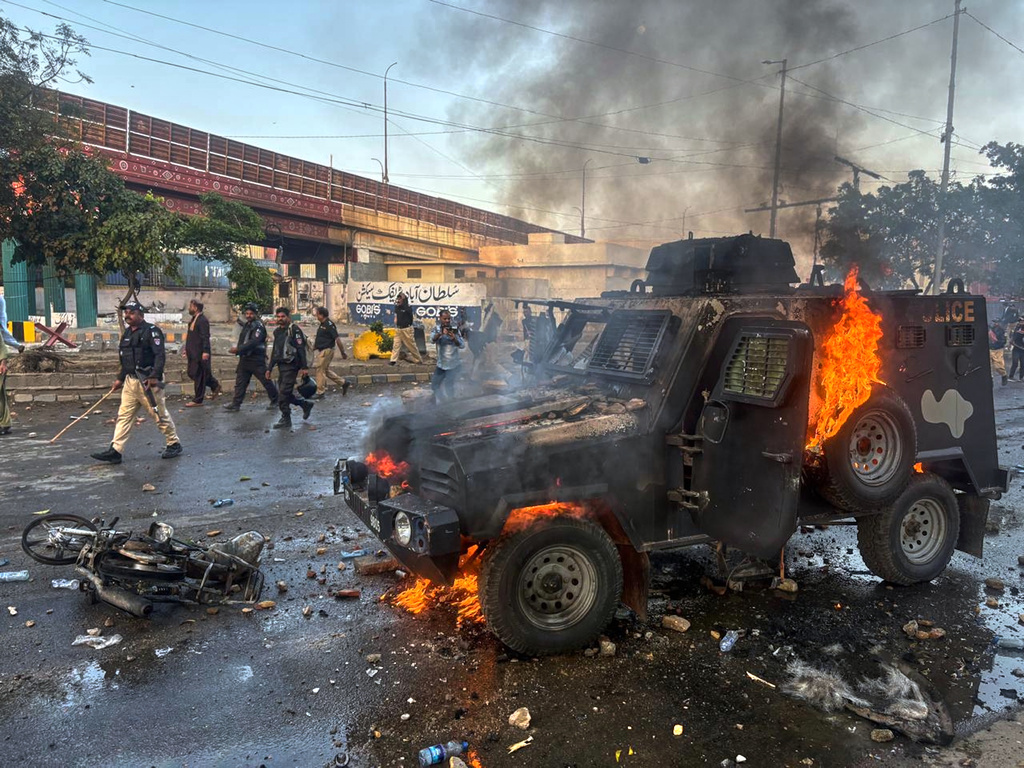
Already, civil liberties organizations and anti-war advocates are demanding emergency Congressional hearings. “We were not consulted. We were not notified in advance,” said one senior Senate Democrat. “Three Americans are dead and we learned about it on CNN.”
The names will be released soon. The questions will outlast them by decades.