Khamenei Is Dead. But What Happened to the Bombs?
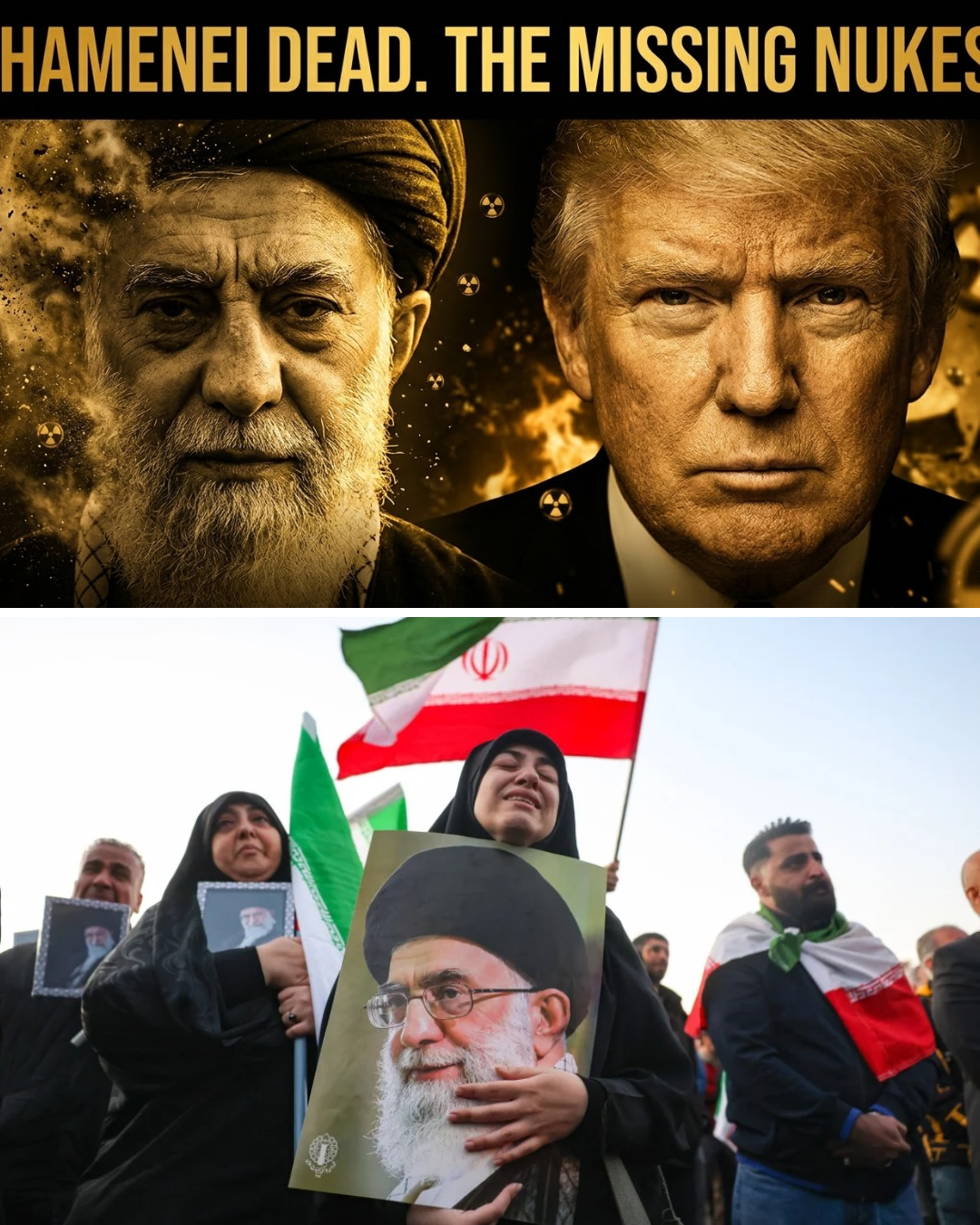
VIENNA / WASHINGTON — In every war game, every classified scenario, every late-night think-tank simulation of an American military campaign against Iran, the question that ends every conversation is the same: what happens to the nuclear material?
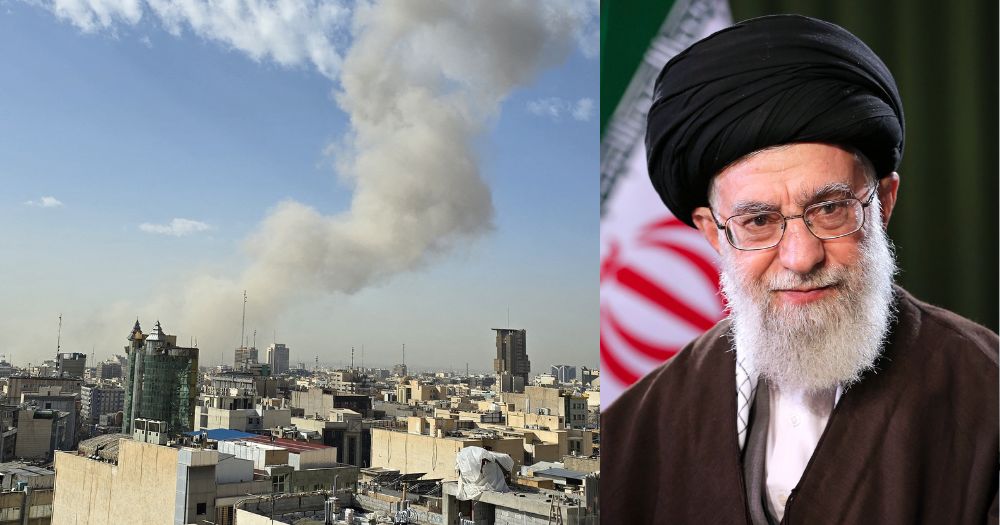
Iran’s nuclear program, at the time of the February 28 strikes, had accumulated significant quantities of uranium enriched to 60% — just short of weapons-grade — at facilities in Natanz, Fordow, and Isfahan. The Trump administration had launched its first set of airstrikes against Iranian nuclear sites in June 2025, triggering the escalation cycle that ultimately led to Operation Epic Fury. But the fundamental question of what physically happened to Iran’s most sensitive nuclear assets — the enriched uranium stockpiles, the centrifuge cascades, the weapons-relevant technical knowledge dispersed among hundreds of scientists — has received almost no public answer.
The International Atomic Energy Agency (IAEA) lost inspector access to Iran’s nuclear sites following the breakdown of the third round of Geneva talks in late February 2026. As of this writing, there is no verified international monitoring of Iran’s nuclear activities. The IAEA is, effectively, blind.

This creates a scenario that nuclear security experts describe as potentially the most dangerous phase of the entire crisis: the “orphaned material” problem. When a centralized authoritarian state that controls nuclear material undergoes rapid, violent leadership collapse, the chain of custody for that material becomes radically uncertain. History provides cautionary tales: the dissolution of the Soviet Union in 1991 produced a decade of documented nuclear material smuggling attempts across porous borders.
Iran is not the Soviet Union — its nuclear program is smaller and more centralized. But “smaller” is a deeply relative term when speaking about weapons-grade uranium. The IRGC units responsible for nuclear site security are now either under active bombardment or in the process of a chaotic command transition. The question of whether all nuclear material remains under state control — any state’s control — is one that Washington, Moscow, Beijing, and every European capital is privately asking with great urgency.
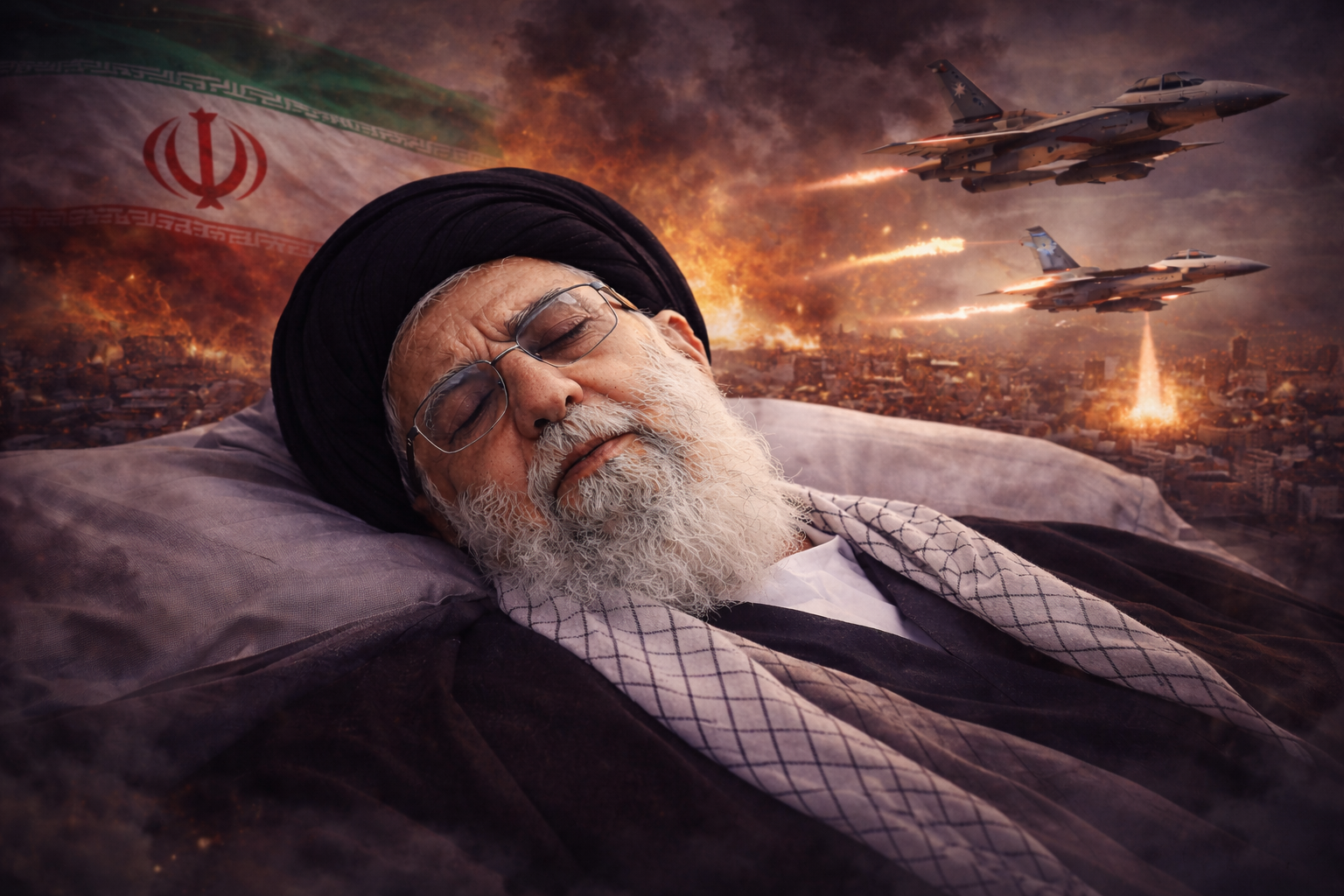
Trump’s stated justification for the entire military campaign was precisely this: that Iran, “armed with long-range missiles and nuclear weapons, would be a dire threat to every American.” The savage irony is that by destroying the command structure of the state that controlled that material, the United States may have created the very condition — dispersed, unmonitored nuclear material in a war zone — that it was trying to prevent.
The bombs, if they exist, are now everyone’s problem.