Mel Gibson Explores Ancient Ethiopian Bible Texts Sparking New Conversations About the Story of Jesus
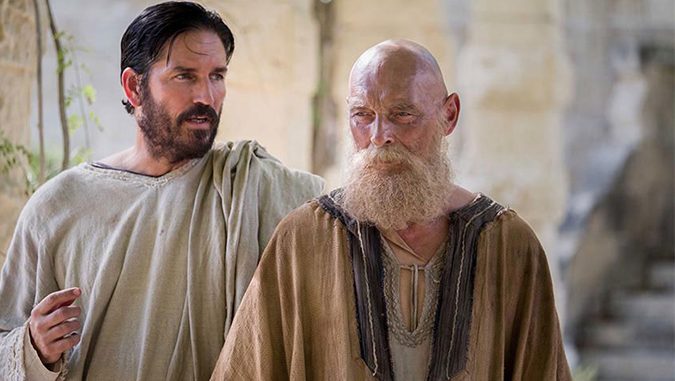
Recent online headlines have claimed that Mel Gibson uncovered information in the Ethiopian Bible that “changes everything we know about Jesus.” The story has spread rapidly across social media platforms, drawing attention due to the combination of a well-known filmmaker associated with biblical storytelling and one of the world’s oldest Christian traditions.
However, a review of available evidence shows no credible documentation supporting these claims.
The viral narrative appears to rely heavily on Gibson’s reputation as the director of The Passion of the Christ, a film that portrayed the final hours of Jesus’ life in Aramaic and Latin and sparked significant global discussion upon its release. Gibson has spoken publicly in the past about his personal faith and interest in traditional Christianity.
Yet there has been no verified academic announcement, peer-reviewed publication, or official statement indicating that Gibson discovered new theological material in an ancient Ethiopian manuscript. Scholars contacted by multiple outlets have also noted that no new manuscript findings tied to Gibson have been presented to the academic community.
Experts emphasize a crucial distinction: interest in biblical storytelling does not equate to formal textual scholarship. Gibson is widely recognized as a filmmaker, not as a historian specializing in ancient manuscripts.
What the Ethiopian Bible Actually Contains
The term “Ethiopian Bible” refers to the canon preserved by the Ethiopian Orthodox Tewahedo Church. This church traces its roots to the 4th century in the Kingdom of Aksum and maintains one of the oldest continuous Christian traditions in the world.
Its biblical canon is broader than the 66-book Protestant canon and includes additional texts such as the Book of Enoch and the Book of Jubilees. These writings, composed centuries before or around the early Christian era, provide insight into Jewish apocalyptic literature and theological themes that influenced early Christianity.
The Book of Enoch, for example, contains apocalyptic visions and references to a “Son of Man” figure. While early Christians were familiar with it — portions are referenced in the New Testament — it does not offer a hidden biography of Jesus nor a radically different account of his life. The Book of Jubilees retells parts of Genesis and Exodus with expanded genealogies and covenant themes, but similarly does not introduce new claims about Jesus’ identity or ministry.
Scholars have studied Ethiopian manuscripts for generations. Many surviving copies date from the medieval period, preserving traditions that have long been publicly accessible within the Ethiopian Christian community. These texts are not newly discovered archives, nor are they secret documents.
Canon Differences Are Not Unusual
Variations in biblical canons are common across Christian traditions. The Roman Catholic canon includes additional Deuterocanonical books not found in Protestant editions. Eastern Orthodox traditions contain further writings. The Ethiopian Orthodox canon is broader still.
These differences emerged gradually over centuries through theological reflection and church councils. They are not the result of recent discoveries.
Religious historians point out that for a document to “change everything we know about Jesus,” it would need to be early, verifiable, historically reliable, and significantly different from existing sources. Such a finding would likely be announced through academic institutions and debated in scholarly journals worldwide.
No such development has occurred.
Why the Story Gained Traction
Media analysts suggest that the headline’s structure explains much of its appeal. It combines a recognizable celebrity, an ancient and less widely understood Christian tradition, and the promise of hidden knowledge.
One religious studies professor explained, “When you place a famous name next to an ancient manuscript tradition, it creates a compelling narrative. But compelling does not mean credible.” The statement underscores how the framing of the claim relies more on intrigue than documentation.
The idea of lost or suppressed gospels has long captured public imagination. Discoveries such as the Dead Sea Scrolls and the Nag Hammadi library did expand scholarly understanding of early religious diversity. However, they did not overturn the central narrative of the New Testament.

Importantly, the Ethiopian Orthodox Church affirms central Christian doctrines shared across mainstream Christianity, including the life, crucifixion, and resurrection of Jesus. While liturgical practices and textual traditions differ, they do not present a fundamentally different depiction of Jesus’ identity.
Historians stress that even if a previously unknown manuscript were found, it would undergo rigorous evaluation concerning authorship, dating, and consistency with other early sources. Only after extensive review could scholars assess its historical significance.
At present, no authenticated manuscript linked to Mel Gibson or the Ethiopian Bible has been presented to the academic community.
Conclusion
There is no verified evidence that Mel Gibson discovered material in the Ethiopian Bible that alters established Christian understanding of Jesus. The Ethiopian Orthodox canon has been publicly known and studied for centuries. Its additional texts enrich knowledge of early Jewish and Christian thought but do not overturn foundational teachings.
While dramatic headlines may generate attention, careful examination shows that the story lacks documented support. Rather than revealing hidden truths, the Ethiopian biblical tradition continues to stand as a respected and longstanding part of global Christianity.