Iran’s Shadow War Within a War: Who Will Be the Next Supreme Leader?
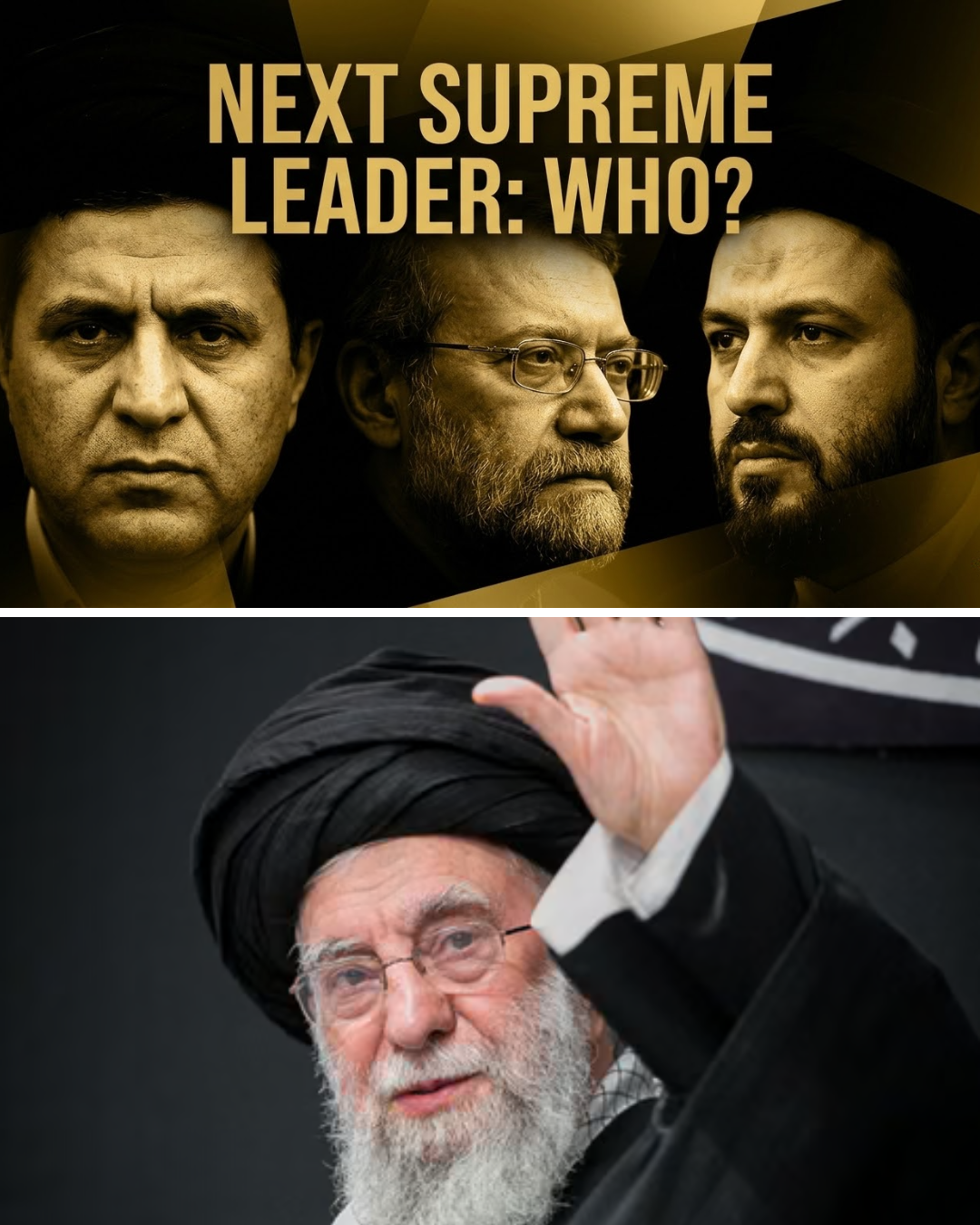
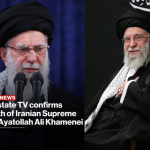
QOM / TEHRAN — Even as Iranian missiles were striking US naval headquarters in Bahrain, a parallel power struggle of enormous consequence was unfolding inside Iran’s surviving clerical establishment. The Assembly of Experts — the 88-member body of senior clerics constitutionally empowered to select Iran’s Supreme Leader — was convening under conditions of wartime emergency, decapitated leadership, and existential external pressure.
The names being circulated represent fundamentally different visions of what Iran could become.
Mojtaba Khamenei, the Supreme Leader’s son, is perhaps the most discussed candidate. He is, by most accounts, a shadowy operator — influential behind the scenes, believed to control significant financial assets, deeply connected to the IRGC’s intelligence networks. His succession would represent dynastic continuity — the Islamic Republic replicating the hereditary transfer of power more common in Gulf monarchies than revolutionary theocracies. His selection would signal that the surviving establishment intends to continue, not reform.
Ali Larijani, who announced the transition process on Sunday, represents the technocratic-conservative wing. Experienced, internationally recognized, and politically sophisticated, Larijani has spent decades navigating the corridors of Iranian power. His elevation would signal a regime attempting to project institutional competence in the face of crisis — a rational actor seeking negotiated survival rather than ideological martyrdom.
Hassan Khomeini, grandson of the Republic’s founder Ruhollah Khomeini, is the wildcard. His February 2026 substitution for Khamenei at a major revolutionary ceremony was read by many analysts as deliberate positioning. The Khomeini name carries mythological weight in Iran — it evokes both the Islamic Revolution’s founding legitimacy and, for reformists, the possibility of a return to a less purely authoritarian interpretation of velayat-e faqih, clerical governance.
The Council on Foreign Relations, in an analysis published just days before the strikes, noted that Secretary of State Marco Rubio himself told the Senate Foreign Relations Committee in January 2026 that Iran’s future leadership is “an open question — no one knows what would take over after Khamenei.”
That admission, from America’s top diplomat, is the most honest and terrifying sentence uttered during this entire crisis. The United States launched its most consequential military operation in the Middle East since 2003 without knowing what it wanted to replace what it was destroying.
The selection of Iran’s next Supreme Leader will determine whether Operation Epic Fury is remembered as liberation or catastrophe.