Trump Wants a Deal. Iran Wants Survival. The World Wants the War to Stop. Nobody Has a Map.
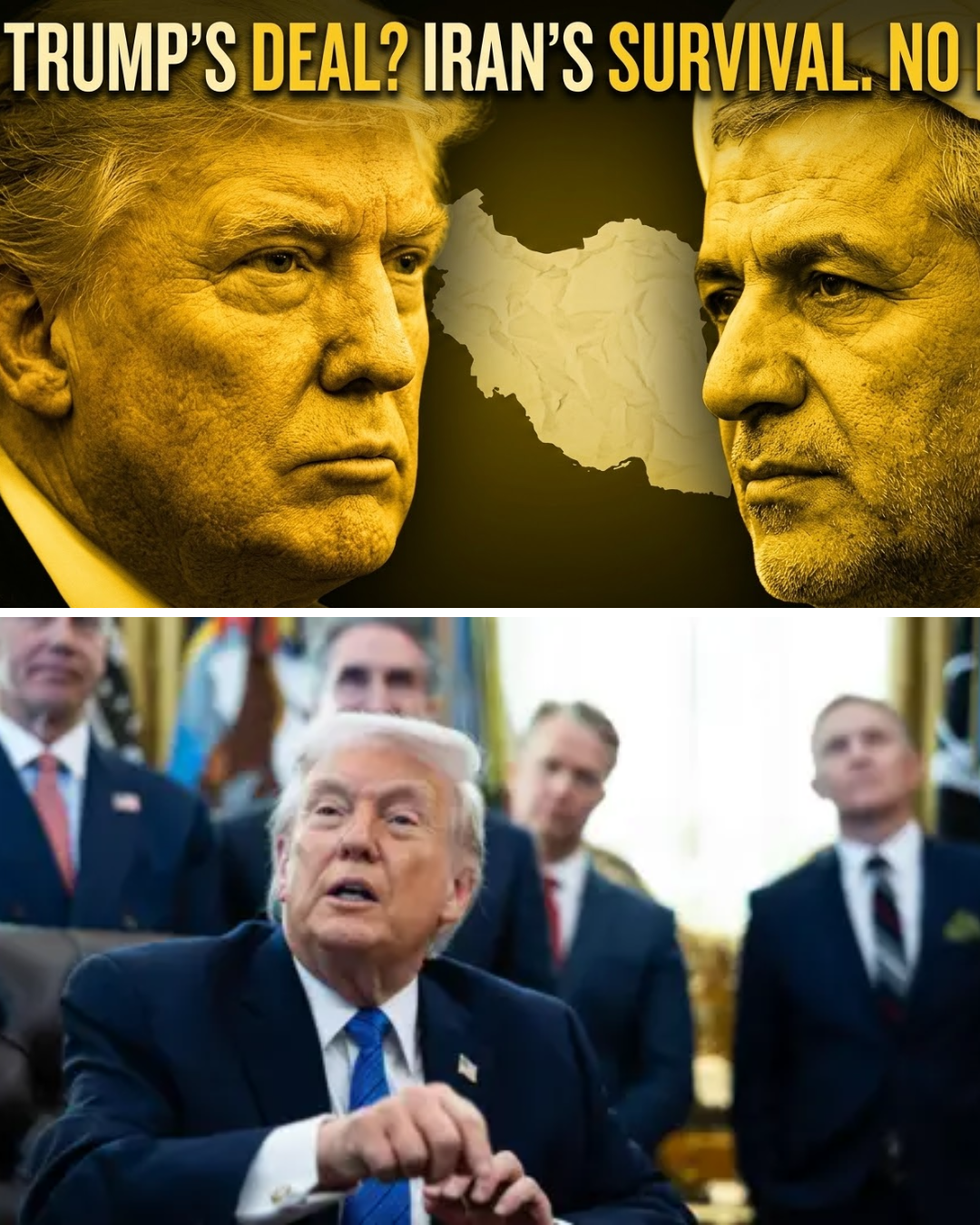
WASHINGTON / GENEVA — On February 26, 2026, just 48 hours before the first American bombs fell on Tehran, US and Iranian negotiators wrapped up what a senior diplomat described as the “most intense” nuclear talks yet — and went home without a deal. Both sides had agreed to further negotiations. Both sides believed a diplomatic resolution, though difficult, was possible.
Two days later, the diplomacy was ash and the bombs were falling.

The abruptness of this transition from negotiation to war is not merely jarring — it is a structural indictment of the entire strategic framework the Trump administration brought to the Iran crisis. For months, the White House pursued a dual-track approach: maximum economic pressure through sanctions, combined with direct nuclear negotiations through Oman and Geneva. The implicit threat of military force was always present — Trump had massed “the largest US buildup of warships and aircraft in the region in decades.” The theory was that overwhelming military presence would force Iran’s leadership to accept Washington’s terms.
What the theory failed to account for was that Khamenei, facing domestic uprising and external military encirclement, had concluded that surrender was existentially worse than war. When the Geneva talks collapsed over Iran’s refusal to fully dismantle its enrichment program — a position it described as “non-negotiable” — the White House determined it “could not afford to miss the window to reshape the region.”
And so the window was opened. With bombs.
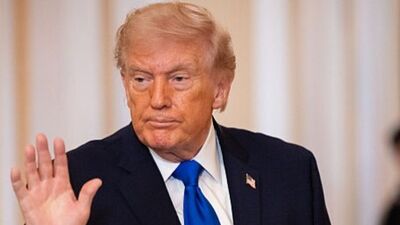
Trump told the Daily Mail on Sunday that he expected the operation to last “about four weeks.” He also said he had “agreed to speak with Iran” — a statement that creates the surreal spectacle of a sitting American president announcing simultaneous willingness to negotiate with a government whose supreme leader he just killed. The question of who, exactly, America would be speaking with — given that Iran’s entire top leadership was eliminated in the strikes — remains fascinatingly, terrifyingly unanswered.
Reuters reported that US lawmakers see “no Trump plan for Iran following strikes.” Democrats warn there is no articulated vision for the next Iranian government. Republicans deflect by saying it is “up to the people of Iran.” Geopolitical analyst Zaccara stated plainly: “Trump’s goal is regime surrender, not change.”
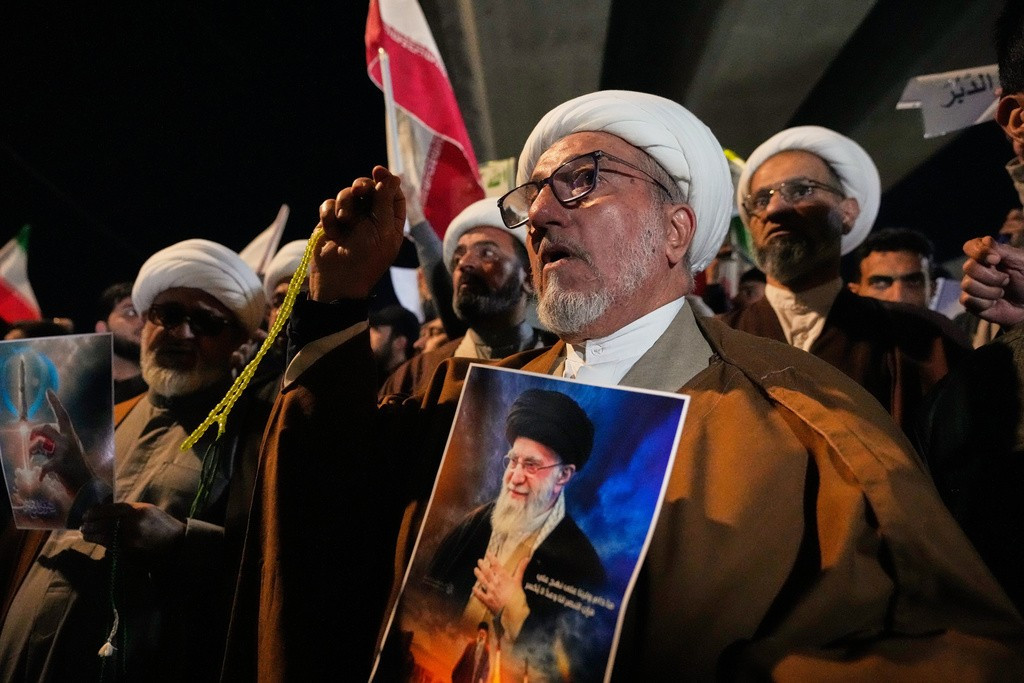
But surrender to what? A negotiated denuclearization agreement with a government in transition? Regime change toward a pro-Western democracy that has never existed in Iran’s modern history? A permanent American military presence in a country of 90 million deeply nationalistic people?
The war that nobody fully planned is now the war that everyone must survive. The four weeks that Trump promised have only just begun. And the endgame — the map that shows where this road leads — has not yet been drawn.