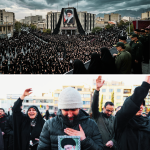
China, Russia, and Iran Signed a Military Pact in January 2026. Has America Just Activated It?
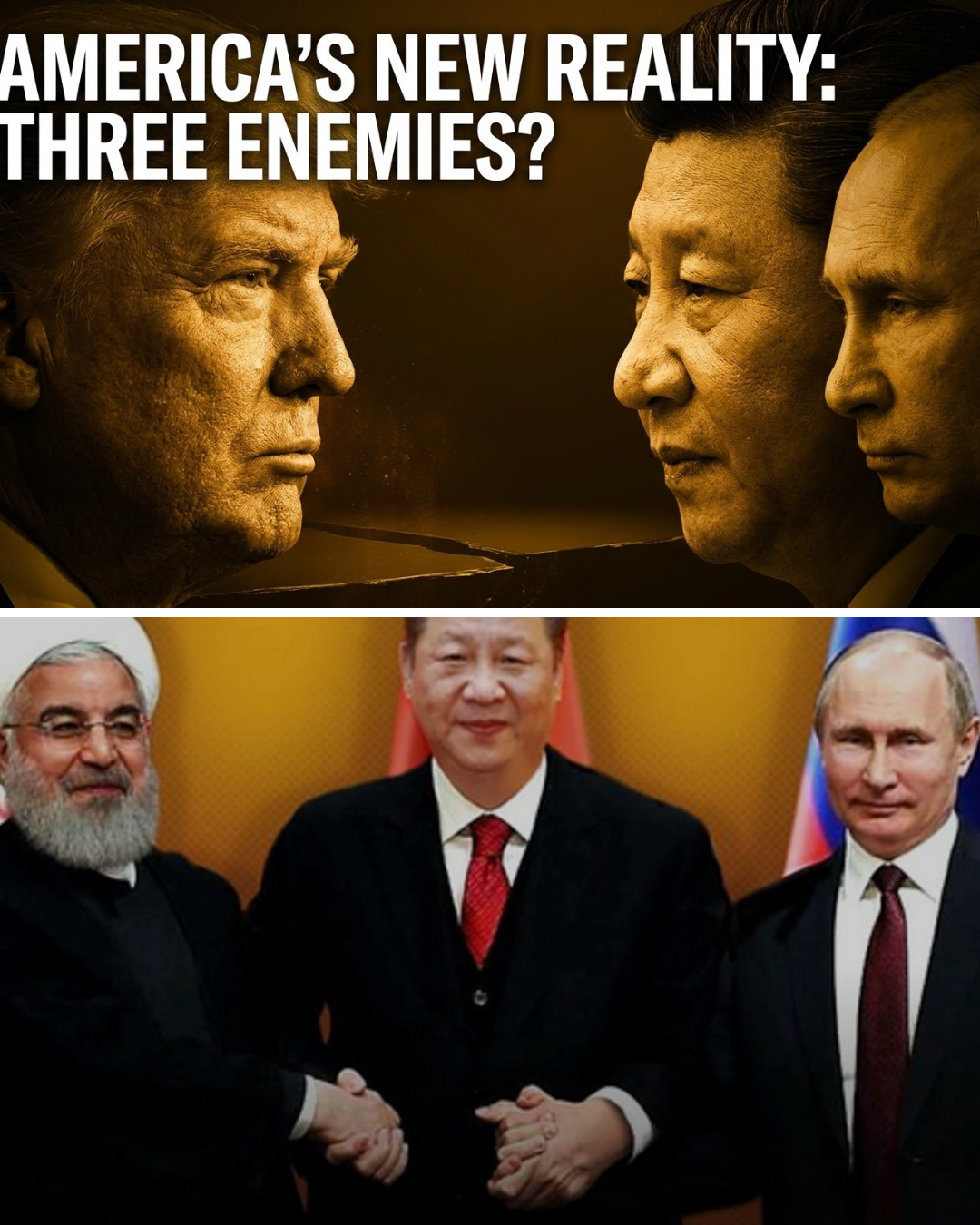
BEIJING / MOSCOW — In January 2026, approximately six weeks before Operation Epic Fury’s first strike, Iran, Russia, and China formalized what analysts had long suspected was evolving: a trilateral strategic cooperation pact with explicit mutual defense provisions. The full text of the agreement has not been made public. Its existence was confirmed by Iranian state media, acknowledged ambiguously by Chinese foreign ministry spokespersons, and neither confirmed nor denied by Moscow.
The pact’s timing — signed just as US-Iran nuclear negotiations were entering their most intense phase and as American military assets were massing in the Gulf — was not coincidental. All three parties understood that the probability of American military action was rising. The trilateral agreement was, in strategic terms, an insurance policy: a framework that would complicate Washington’s military calculus by raising the cost of action from a bilateral US-Iran confrontation to a potential trilateral or even global confrontation.
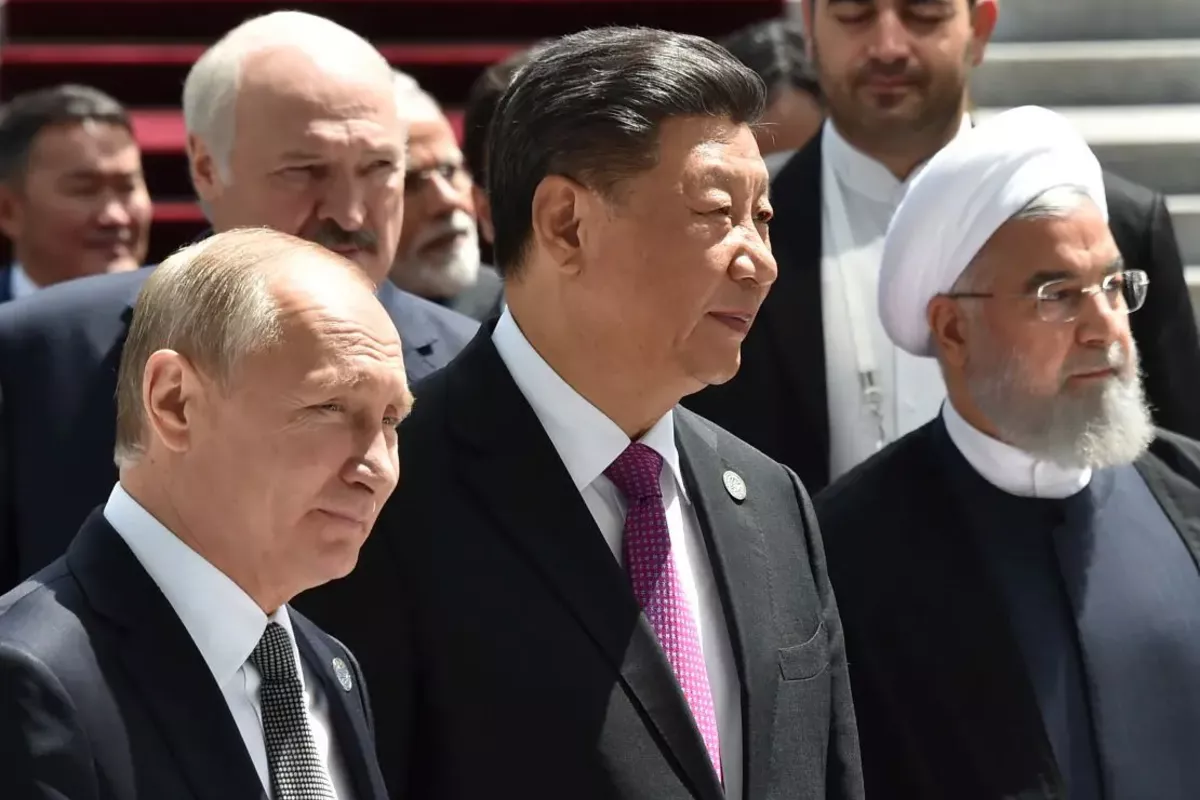
The central question now confronting every strategic analysis cell in Washington, London, Brussels, and Tel Aviv is whether, and under what conditions, China and Russia will invoke the pact’s provisions.
The answer is not binary. Neither Beijing nor Moscow has any interest in direct military confrontation with the United States over Iran’s nuclear program — the costs would be catastrophically asymmetric, and both leaderships have demonstrated a consistent preference for achieving strategic gains through America’s exhaustion rather than America’s direct defeat. But the pact contains multiple layers of potential activation that stop short of direct military intervention.
Russia can, and almost certainly will, accelerate military hardware deliveries to surviving IRGC units — advanced drone systems, electronic warfare equipment, air defense components. This is legal under the pact’s provisions, difficult to interdict without escalating to direct US-Russia confrontation, and operationally significant.
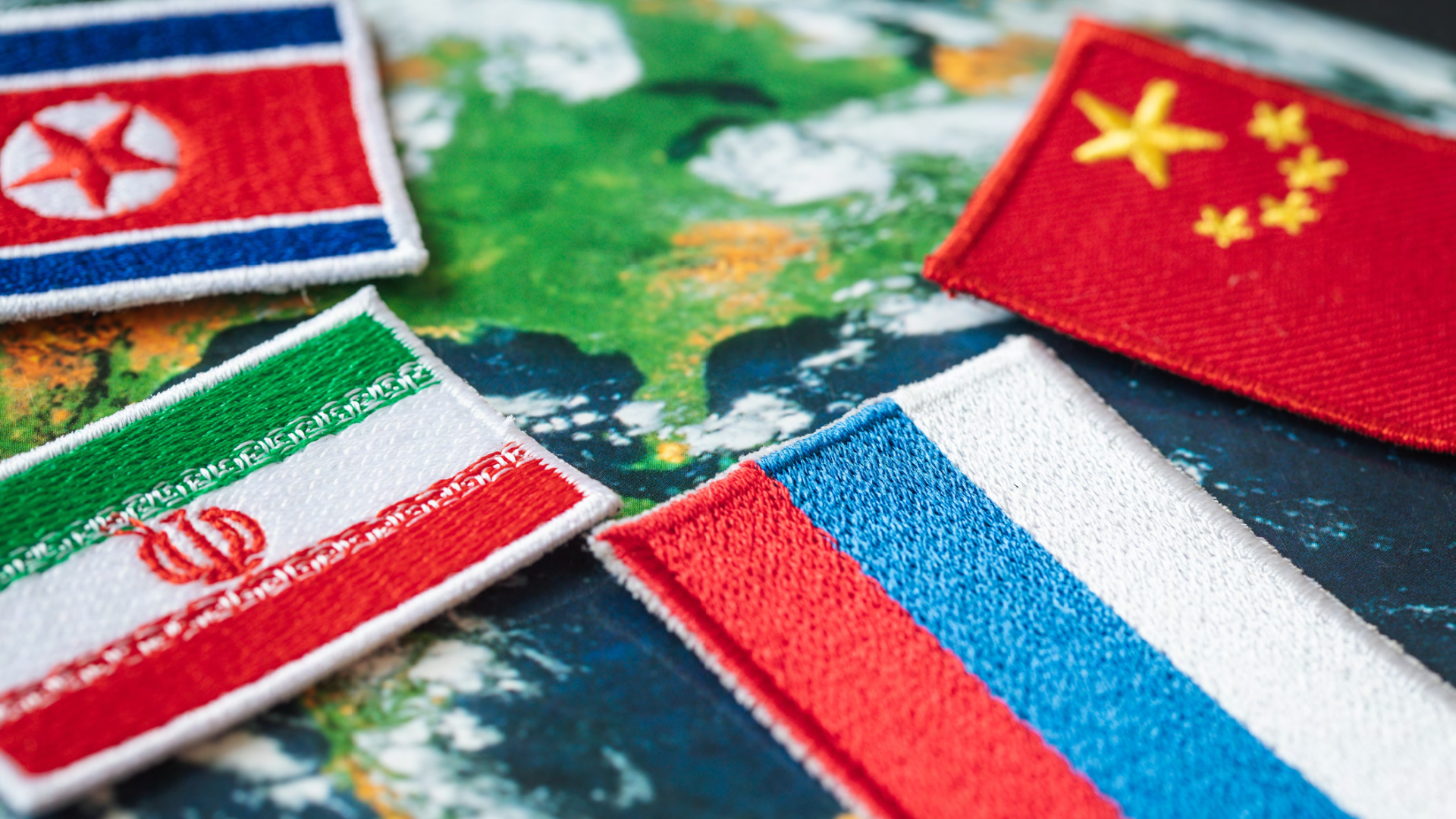
China’s leverage is more profound and more diffuse. Beijing holds approximately $1.2 trillion in US Treasury securities. It controls the supply chains for rare earth minerals critical to American precision weapons manufacturing, including the neodymium and dysprosium used in Patriot missile guidance systems. It can accelerate its economic integration with surviving Iranian entities in ways that complicate any post-conflict reconstruction narrative Washington might attempt to build.
And then there is the nuclear dimension. China has been Iran’s most significant supplier of dual-use technology over the past decade. If Iran’s surviving leadership — or any successor faction within the IRGC — concludes that its nuclear program must be reconstituted as rapidly as possible, China represents the fastest path to reconstitution. Every bomb America drops on Iranian nuclear facilities today potentially accelerates a more determined, more covert, and more Chinese-assisted reconstitution tomorrow.
The trilateral pact was designed precisely for this scenario: not to stop America from attacking Iran, but to ensure that America pays a long, slow, escalating price for doing so. If that is the design, it is currently working exactly as intended.