New Genetic Study on Cleopatra Draws Worldwide Attention and Sparks Fresh Debate Among Historians
- ThanhHuyen
- March 2, 2026
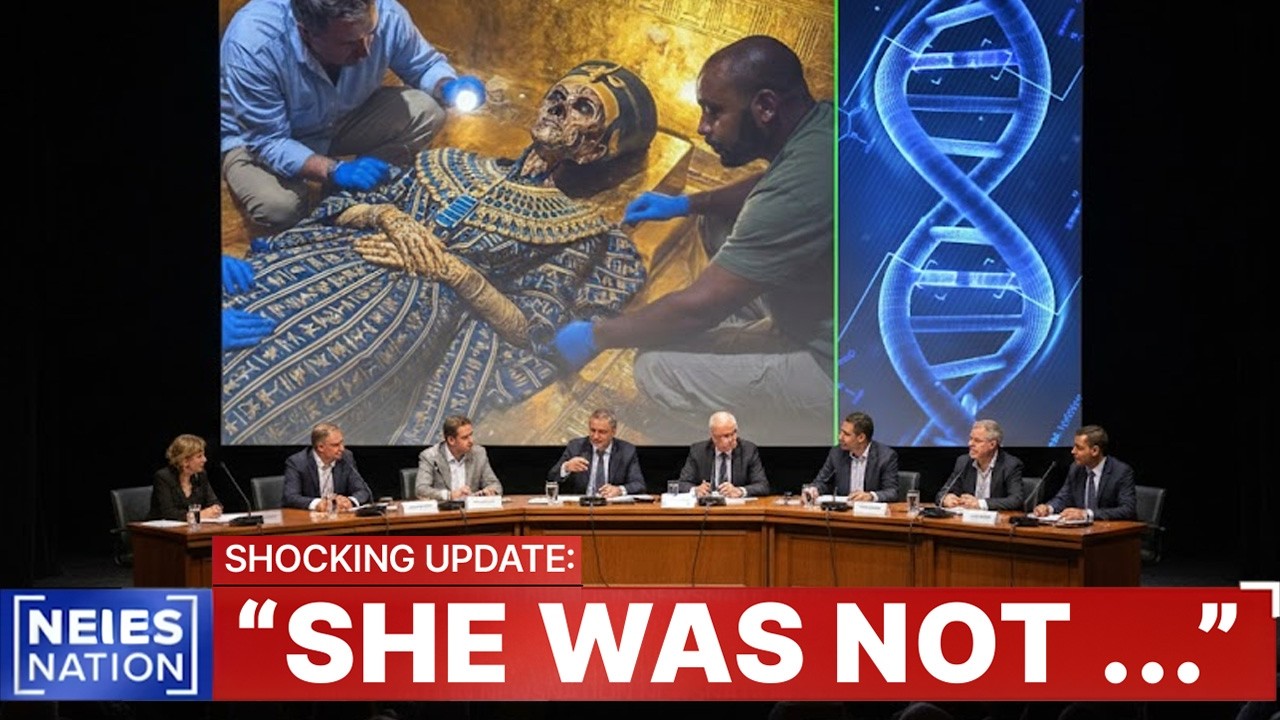
Recent viral headlines claiming that “secret DNA findings of Cleopatra have been analyzed” have generated widespread attention across social media. Many of these posts suggest that modern science has finally uncovered shocking revelations about the ancestry of one of history’s most famous rulers.
However, historians and genetic researchers caution that there is currently no confirmed DNA sample from Cleopatra VII herself.
Cleopatra VII ruled Egypt from 51 BCE until her death in 30 BCE as the last active ruler of the Ptolemaic Kingdom. She was a descendant of the Macedonian Greek general Ptolemy I Soter, who founded the Ptolemaic dynasty after the death of Alexander the Great. The dynasty governed Egypt for nearly three centuries and maintained strong Greek lineage through dynastic intermarriage.
Despite the confidence implied in viral posts, scholars emphasize a key fact: Cleopatra’s tomb has never been definitively located, and her remains have not been conclusively identified. Without verified physical remains, direct genetic analysis is impossible.
Dr. Helena Markos, an ancient DNA specialist at a European research institute, explained in a recent academic panel discussion, “DNA analysis requires authenticated remains. In Cleopatra’s case, we simply do not have that material. Any claim suggesting her personal genome has been sequenced is speculative.”
Her statement reflects a broader consensus within the scientific community. While researchers have successfully extracted DNA from certain Egyptian mummies, preservation in Egypt’s hot climate presents significant challenges. Heat, humidity, and environmental exposure accelerate the degradation of genetic material. Even when samples are recovered, contamination and incomplete sequencing remain common obstacles.
Some of the viral claims appear to stem from studies involving ancient remains believed to be associated with elite individuals from the Ptolemaic period. However, archaeological attribution is complex. Identifying remains from over two millennia ago requires extensive evidence, including inscriptions, burial context, and cross-disciplinary verification. Without such confirmation, linking genetic data to a specific historical figure remains uncertain.
Professor Daniel Avery, a historian specializing in Hellenistic Egypt, noted, “There is a difference between studying population genetics in ancient Egypt and analyzing the DNA of a specific queen. The public often conflates the two.”
He added that general population studies have shown Egypt was historically a crossroads of civilizations, influenced by North Africa, the Near East, sub-Saharan Africa, and the Mediterranean world. However, these findings describe broader demographic patterns rather than an individual’s precise ancestry.
Cleopatra herself embodied cultural complexity. Though descended from a Greek ruling family, she reportedly learned the Egyptian language and presented herself as the embodiment of the goddess Isis to strengthen her legitimacy as Pharaoh. At the same time, she operated within the Greek-speaking elite and formed alliances with Roman leaders such as Julius Caesar and Mark Antony.
Historians point out that identity in the ancient Mediterranean world was shaped by language, culture, and political affiliation as much as by ancestry. Applying modern racial categories to antiquity can oversimplify historical realities.
Public fascination with Cleopatra’s appearance and heritage has been reinforced by centuries of artistic interpretation. Ancient writers such as Plutarch described her in ways that blended political commentary with personal narrative. In modern times, film portrayals — most famously the 1963 epic Cleopatra starring Elizabeth Taylor — have further shaped popular perceptions.
Media analyst Rachel Moreno observes that attaching the authority of genetics to a legendary figure creates immediate impact. “DNA carries scientific weight in contemporary culture,” she said. “When headlines suggest that science has delivered a dramatic revelation, audiences respond. But responsible reporting requires evidence, peer review, and context.”
Another factor fueling speculation is the ongoing search for Cleopatra’s tomb, particularly near Alexandria. Archaeologists continue to investigate potential sites, though no definitive discovery has been made. Should authenticated remains ever be found, any decision regarding genetic testing would involve careful ethical consideration, including preservation standards and cultural respect.
Experts also stress that genetics alone cannot define a historical figure’s legacy. Cleopatra’s significance rests primarily on her political skill during a transformative period in Mediterranean history. She navigated complex alliances, managed economic pressures, and sought to preserve Egypt’s autonomy during the rise of Roman influence. Her death marked the end of the Ptolemaic dynasty and Egypt’s transition into a Roman province.
For now, scholars agree that there is no verified scientific breakthrough regarding Cleopatra’s personal DNA. The viral language describing findings as “shocking” or “terrifying” appears to reflect modern expectations rather than established research.
As Professor Avery summarized, “Historical knowledge advances gradually. When new evidence emerges, it refines our understanding — it rarely overturns everything overnight.”
Until confirmed remains are located and analyzed through transparent, peer-reviewed scientific methods, claims about Cleopatra’s genetic profile should be treated cautiously. The enduring fascination with her life speaks less to a hidden scientific secret and more to her lasting place at the intersection of history, legend, and cultural imagination.