THE $100 OIL BOMB: How the Strait of Hormuz Shutdown Could Empty Your Wallet Within Weeks
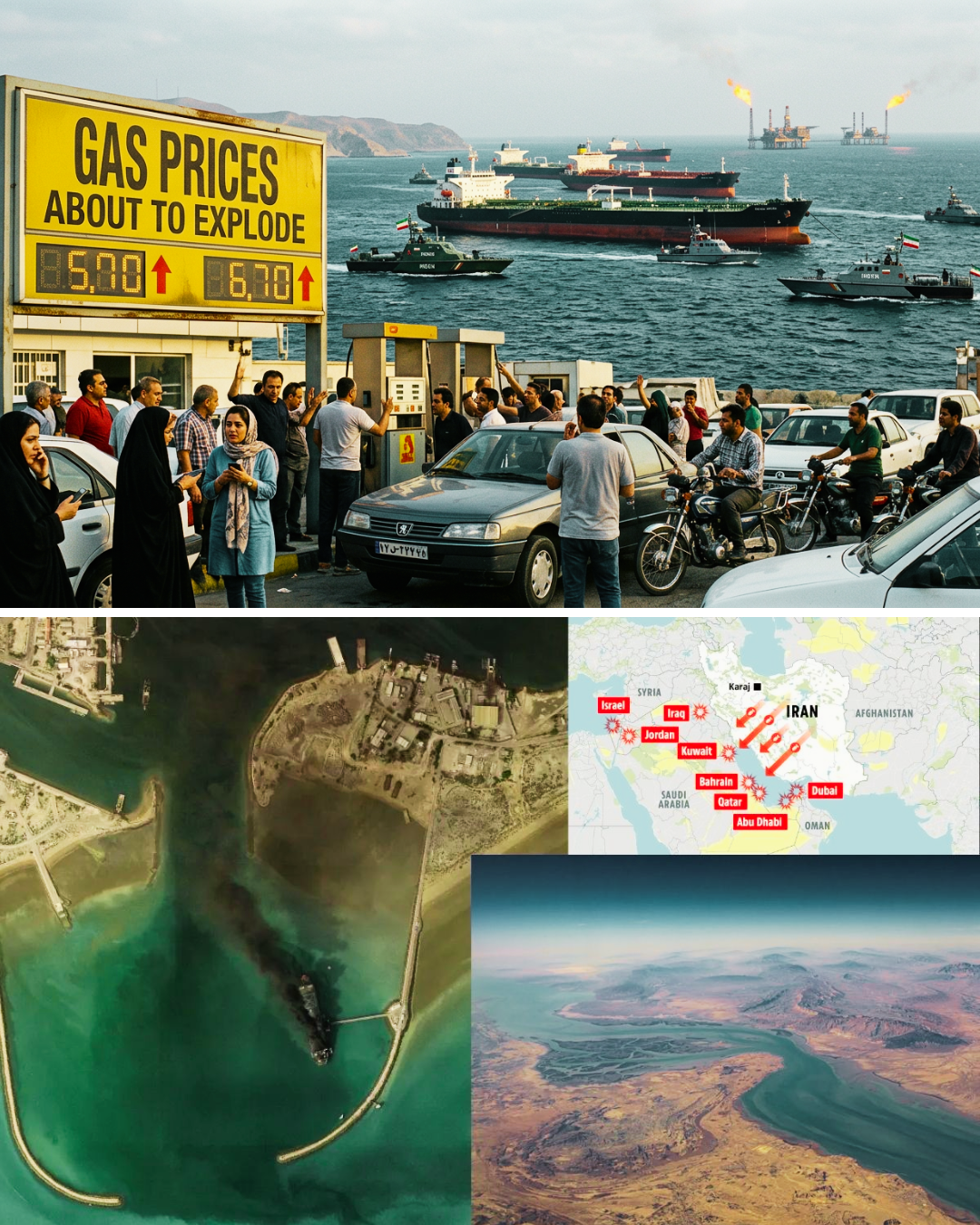
Forget the missiles. Forget the assassinations. The real weapon Iran has unleashed on the world is one you can see from your local gas station: the Strait of Hormuz shutdown.
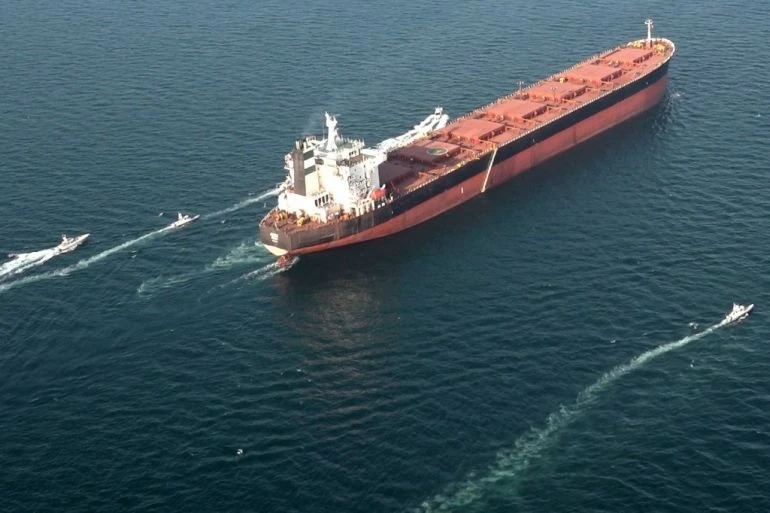
On Monday, tanker traffic through the world’s most critical oil chokepoint dropped by approximately 70 percent. More than 150 tankers are sitting idle, anchored on either side of the narrow waterway, their captains and insurance companies unwilling to risk passage. Iran’s Revolutionary Guard transmitted a chilling message via radio to every vessel in the strait: no ship is allowed to pass.

The numbers are staggering. About 20 million barrels of oil flow through the Strait of Hormuz every single day — roughly one-fifth of global daily production. That includes crude from Saudi Arabia, Iraq, Kuwait, Qatar, the UAE, and Iran itself. When that flow stops, the entire global energy market feels the squeeze almost immediately.
Brent crude surged more than 9 percent on Monday, hitting nearly $80 a barrel. Some analysts at Barclays warn prices could hit $100. UBS suggests they could blow past $120 if the disruption persists. JPMorgan has estimated that a three-to-four-week squeeze on Hormuz traffic could force Gulf producers to completely shut down oil production and send Brent well above the century mark.
For ordinary Americans, the math is brutal. The national average for a gallon of regular gasoline is $2.98. Energy analyst Andy Lipow has warned that a complete Strait closure could drive oil up by $20 a barrel, translating to an additional 50 cents per gallon at the pump. That might not sound catastrophic — until you multiply it by every tank of gas, every delivery truck, every airplane ticket.
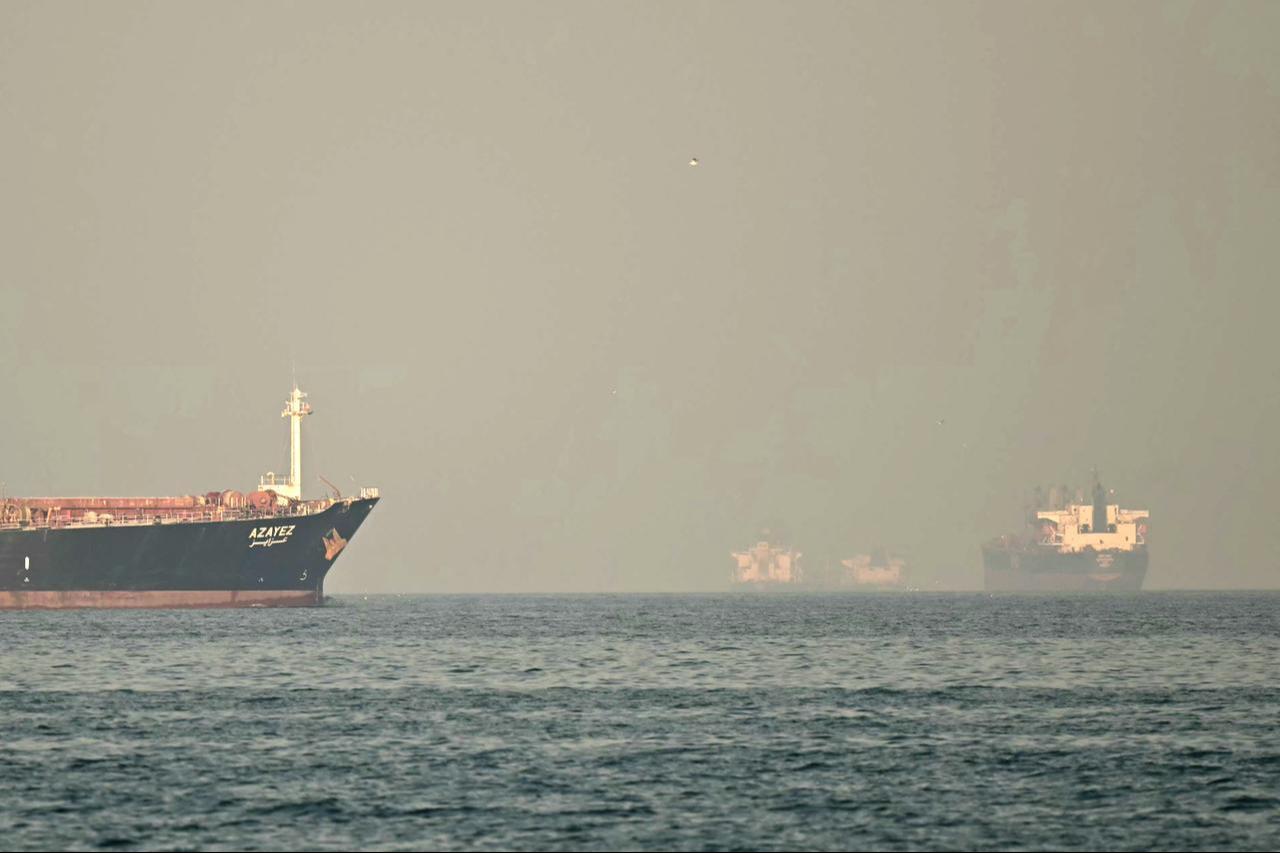
But what makes this situation truly dangerous is that Iran didn’t even need to formally blockade the strait to achieve an effective shutdown. As one analyst put it, “selective drone and rocket attacks” were enough. When shipping companies and their insurers see tankers getting hit — at least four vessels have been struck so far, including one set ablaze off the coast of Oman — they simply refuse to send more ships through. No formal closure needed. Just enough chaos to make the risk unbearable.
The ripple effects are already spreading. Saudi Arabia shut its biggest domestic oil refinery after a drone strike. Qatar halted production of liquefied natural gas and its state-owned energy company is set to declare force majeure on LNG shipments. European natural gas prices have surged more than 20 percent. Airlines are hemorrhaging cash as jet fuel prices spike.
And here is the geopolitical twist that should worry everyone: Russia stands to profit enormously. With Middle Eastern oil bottled up behind the Hormuz chokepoint, both India and China face immediate pressure to deepen their reliance on Russian crude. Moscow’s competitive position in global energy markets has never been stronger.
The gold market is already pricing in chaos. JP Morgan forecasts gold hitting $6,300 by year’s end. Financial advisors are fielding panicked calls from clients wanting to dump stocks and load up on precious metals.
The question the world needs answered is simple: how long can the Strait stay shut? If it reopens within days, markets will breathe. If it stays closed for weeks, we may be looking at what one analyst called a “guaranteed global recession.” Your wallet is about to find out.