KHAMENEI IS DEAD — But Who Actually Runs Iran Now? The Power Struggle That Could Decide World War III
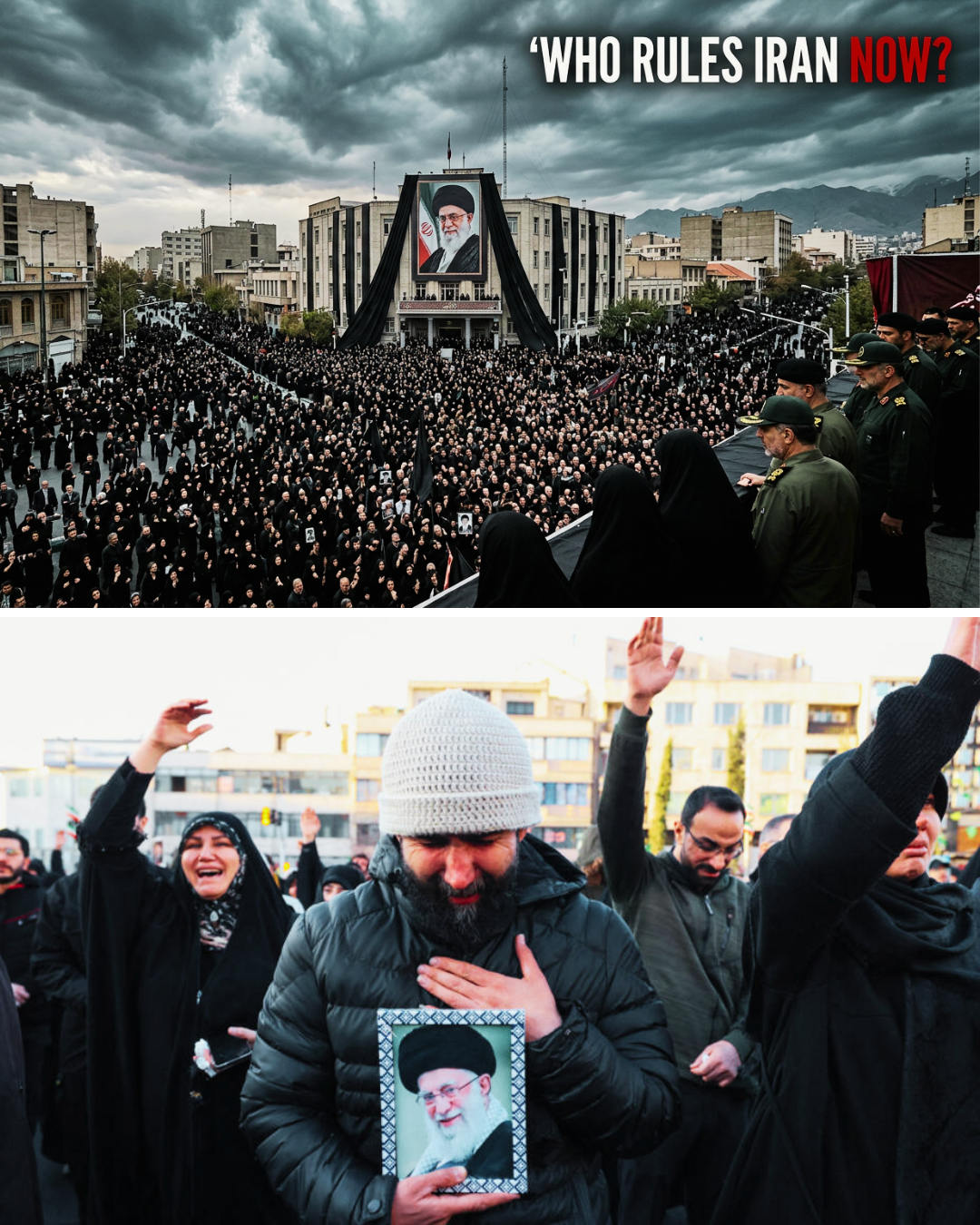
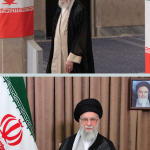
The most powerful man in Iran for 36 years is dead. Ayatollah Ali Khamenei, the Supreme Leader who controlled every lever of power in the Islamic Republic, was killed when US and Israeli strikes obliterated his compound in the heart of Tehran. An Iranian state broadcaster delivered the news in tears. Forty days of mourning were declared. A seven-day national holiday was announced.
But behind the grief lies a question far more consequential than any military operation: who actually runs Iran now?
Hours after the confirmation of Khamenei’s death, Iran’s top security official Ali Larijani announced that a temporary three-person leadership council would be established to govern the country under Islamic law until a panel of Shia clerics selects a new supreme leader. Larijani also issued a stark warning to anyone trying to exploit the chaos: any “secessionist groups” attempting to take action would face a “harsh response.”

The Council on Foreign Relations was blunt in its assessment: killing the Supreme Leader is not the same as regime change. “The Islamic Revolutionary Guard Corps is the regime,” the think tank noted. The IRGC is not merely a military organization — it is a sprawling business empire that controls vast sectors of Iran’s economy. Any new Supreme Leader will either be chosen by the IRGC or will need its blessing to survive.
The succession process in Iran’s theocratic system is designed to prevent a vacuum. The Assembly of Experts, an 88-member body of senior clerics, is constitutionally responsible for selecting a new Supreme Leader. But the reality is messier. In 1989, when Khamenei himself was elevated after the death of Ayatollah Khomeini, the process was heavily influenced by political maneuvering and backroom deals. The current situation is infinitely more complicated — the country is under active military bombardment.
Several names have already surfaced. Reports indicate that Ayatollah Alireza Arafi has been appointed to some form of leadership role. But his authority, legitimacy, and ability to command the IRGC remain deeply uncertain. Marko Papic, chief strategist at Clocktower Group, captured the calculus bluntly: “The Iranian economy is soon to be a parking lot unless the next Supreme Leader is more amenable to negotiating with the US.”
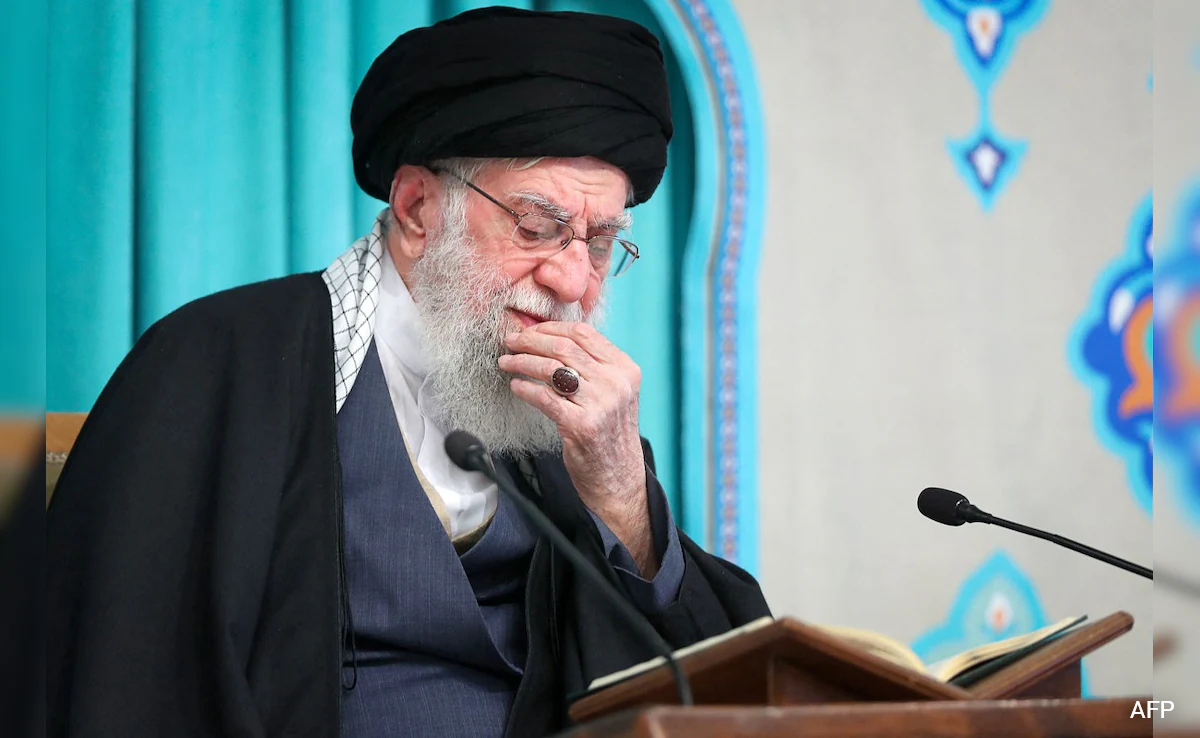
Meanwhile, something extraordinary is happening on the streets. Despite an internet blackout, videos have emerged showing Iranians celebrating Khamenei’s death in cities across the country — Karaj, Qazvin, Shiraz, Kermanshah, Isfahan, and Sanandaj. Security forces opened fire on some of the celebrants. In southern Iran, a crowd toppled a monument dedicated to Ayatollah Khomeini, the founder of the Islamic Republic. The Iranian diaspora held celebratory rallies worldwide, waving the Lion and Sun flag — the symbol of pre-revolutionary Iran.
Reza Pahlavi, the US-based son of the former Shah, urged Iranians to prepare for the Islamic Republic to “collapse” and called on the military and security forces to side with the people. He described the US action as a “humanitarian intervention.”
But the IRGC is not about to let the system collapse without a fight. Their business interests, their political power, their very survival depends on the regime’s continuation. The question is whether a new Supreme Leader can hold it all together while missiles are still falling, while the economy is cratering, while the Strait of Hormuz is effectively closed, and while ordinary Iranians are celebrating in the streets and dying in the rubble simultaneously.
This is not just a succession crisis. This is the most dangerous power vacuum in the Middle East since the fall of Saddam Hussein. And unlike Iraq in 2003, this vacuum is happening in a country that is still actively fighting back with ballistic missiles, drones, and a sprawling network of proxy forces across the region.
Whoever emerges as Iran’s next leader will inherit either a negotiating table or a graveyard. The world is watching to see which one it will be.