STRANDED IN THE DESERT: 100,000 Travelers Trapped as Every Airport in the Middle East Shuts Down — The Biggest Air Travel Crisis Since COVID
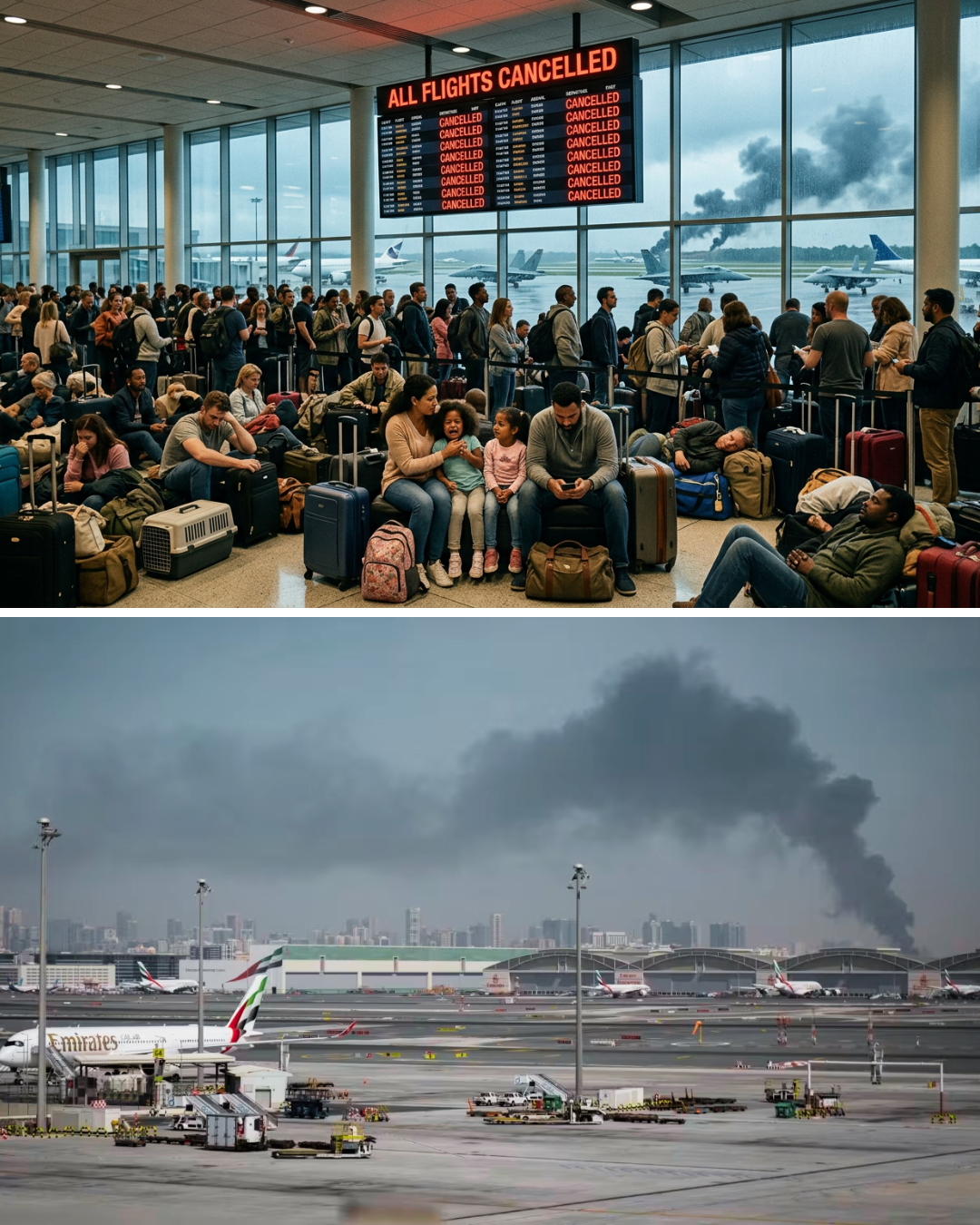
Imagine booking a dream vacation to Dubai. You’ve saved for months. You’re sipping champagne at 35,000 feet, scrolling through Instagram photos of infinity pools and desert sunsets. Then your captain comes on the intercom: your destination has been hit by Iranian ballistic missiles. Your flight is turning around. Your vacation is over before it started.
This is the reality for tens of thousands of travelers worldwide as the Iran conflict triggers the biggest disruption to global air travel since the COVID-19 pandemic.
On Sunday alone, 1,579 flights in and out of major Middle Eastern airports were canceled. Dubai International Airport, the world’s busiest hub for international passengers, was the hardest hit — 747 flights, representing 70 percent of its total schedule, were scrapped. The airport itself sustained damage from the initial Iranian strikes, with smoke filling part of the concourse as staff fled the building.

But it’s not just Dubai. Abu Dhabi, Doha, Kuwait, Bahrain, Muscat — virtually every major airport in the Gulf region has suspended or severely curtailed operations. Qatar Airways grounded all flights and told passengers to wait until Tuesday for updates. The UAE ordered nationwide school closures and a shift to remote learning. Even Cyprus, the small Mediterranean island nation, reported sirens blaring at a British air force base.
For travelers already in the region, the situation is dire. The US State Department has issued an urgent directive: Americans in more than a dozen Middle Eastern countries should “depart now.” But departing is easier said than done when every airport is shut and every flight is canceled. Countries looking to evacuate their citizens face “major challenges,” according to CNN.
And for those hoping their travel insurance will cover the losses — think again. Many standard policies exclude coverage for military action, war, and government-mandated airspace closures. If that language exists in the fine print, insurers may refuse to reimburse nonrefundable flights, hotel nights, meals, and tours. Some travelers may qualify for partial benefits depending on their specific policy, but experts warn that most people will be left holding the bill.
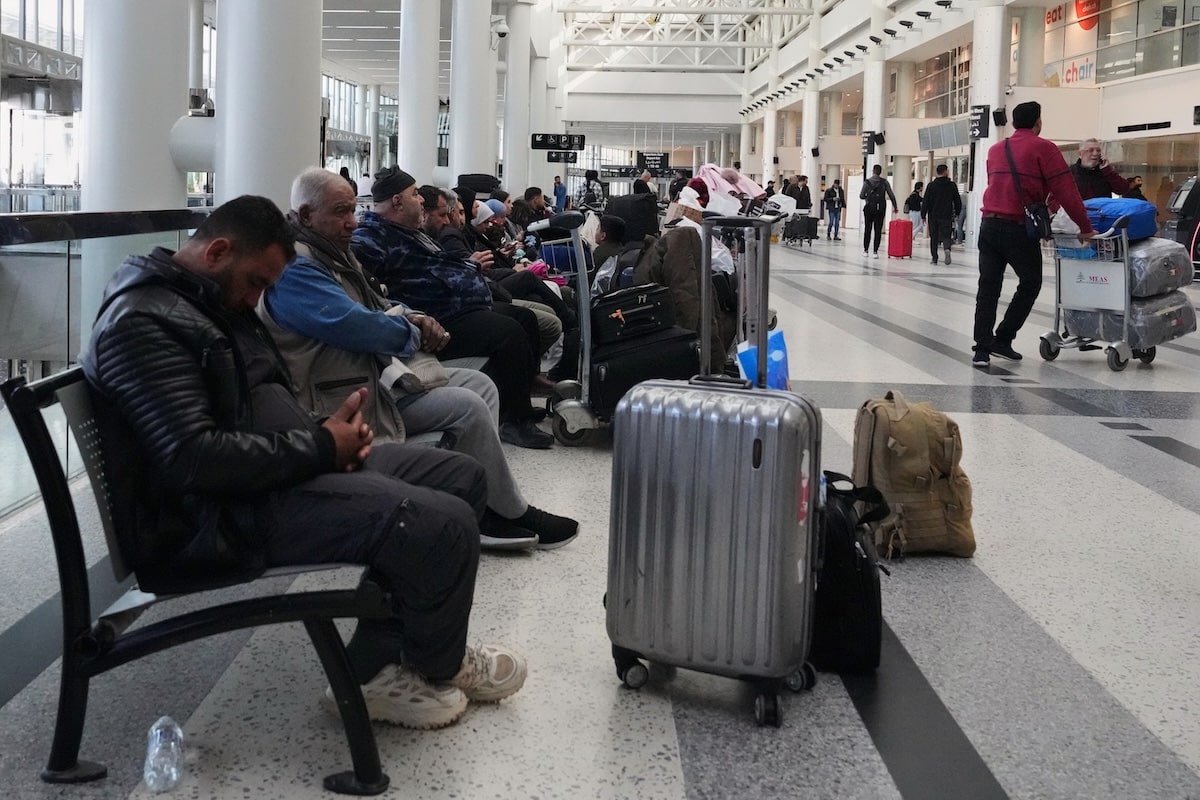
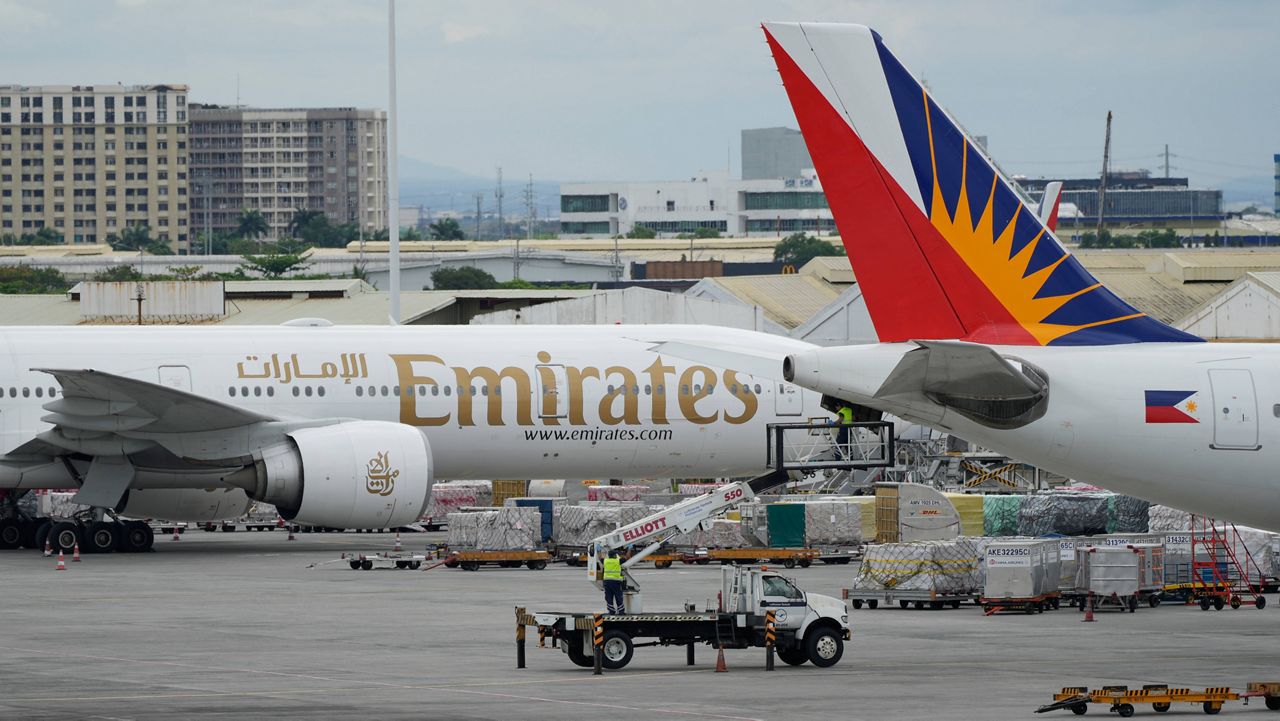
The economic impact on the Gulf’s aviation industry is massive. Dubai’s airports alone handled more than 90 million passengers in 2024. Emirates, Etihad, and Qatar Airways — three of the world’s largest and most profitable airlines — have their home bases in the heart of the conflict zone. These carriers built empires by positioning the Gulf as the connecting hub between East and West. Now that hub is a war zone.
The Flightradar24 website tells the story in a single image: a map showing civilian flights curving around a massive void over Iran, Iraq, and the entire Persian Gulf — a no-fly zone stretching across one of the most heavily trafficked airspaces on the planet.
Airlines outside the region are also scrambling. Kuwait Airways flights from JFK have been canceled. European carriers that routed through the Gulf are rerouting or canceling entirely. The detour around the conflict zone adds hours and fuel costs to already strained operations. Oil prices surging above $78 a barrel are adding further pressure to already thin airline margins.
For the tourism industry in the Gulf, the timing could not be worse. This is peak season — Ramadan combined with pleasant winter weather historically draws millions of visitors. Hotels were fully booked. Restaurants were prepared for the holy month’s late-night dining rush. Instead, buildings are asking residents to shelter in basements, fitness centers have closed, and the only social media content coming from the Gulf shows missile interceptions, not poolside selfies.
The question nobody can answer: when will the skies reopen? With Iran’s IRGC declaring the Strait of Hormuz closed and missiles still flying, no airline executive is willing to be the first to resume service. And every day the airports stay closed, the cost mounts — not just in dollars, but in the reputation that the Gulf spent decades building.
COVID shut down air travel for a virus. This time, it’s missiles.