THE IRANIAN SCHOOL MASSACRE: 158 Children Dead — The Image That Could Turn the World Against This War
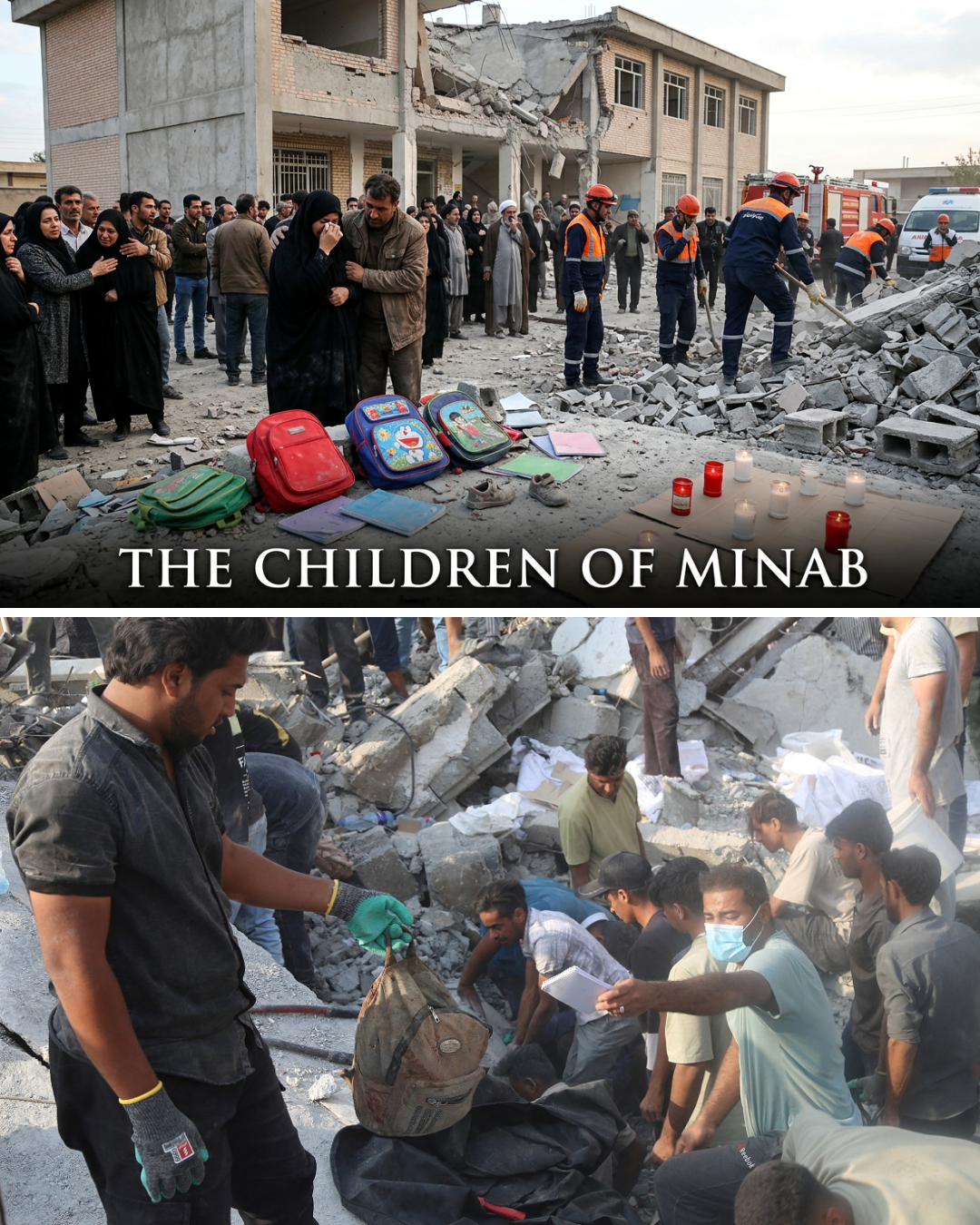
In the fog of a war defined by billion-dollar weapons systems and geopolitical chess moves, one number has cut through the noise like nothing else: 158.
That is the number of students Iran says were killed when a strike hit an elementary girls’ school in Minab, a city in southern Iran. Iran’s Foreign Ministry spokesperson delivered the figure in an interview with NPR, identifying the victims as children. The claim has sent shockwaves through global media and threatens to fundamentally reshape the narrative of the entire conflict.
Israel’s military has stated that it is “not aware of its forces operating in the area” of the school strike. US Central Command said it was “aware of reports of civilian harm” and was “looking into them.” A CENTCOM spokesperson added that “the protection of civilians is of utmost importance” and that the US “will never target civilians.”
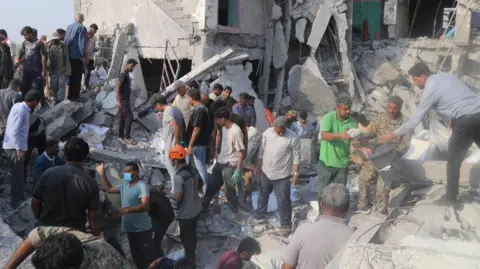
But for the parents of Minab — and for people around the world who see the images of a destroyed school — the investigation matters less than the reality. Children are dead. Whatever precision-guided munitions were used, whatever intelligence failures occurred, whatever chain of command approved the strikes in southern Iran, the result is 158 children who will never come home from school.
The incident immediately drew comparisons to some of the most devastating civilian casualties in modern warfare. In conflicts from Afghanistan to Yemen to Gaza, school strikes have consistently proven to be the events that shift public opinion, fuel protest movements, and force politicians to reconsider their support for military operations.
This is already happening. Anti-war protests are spreading across the United States and globally. “Hands Off Iran” rallies have been held at Federal Plaza in Chicago, at Goodale Park in Columbus, and at Military Park in Indianapolis. While these gatherings have so far been modest in size, the Minab school story has the potential to supercharge the movement.
On Capitol Hill, the war powers debate is intensifying. Senator Tim Kaine, the lead sponsor of a war powers resolution, has called the conflict “an illegal war,” pointing out that the Constitution requires Congressional approval for military action. The resolution would symbolically disapprove of the military operation, though it would almost certainly face a presidential veto.
The Minab tragedy is also complicating the narrative for those who support the strikes. Many Iranian-Americans and members of the Iranian diaspora have been celebrating Khamenei’s death and calling for regime change. But celebrating the fall of a dictator and mourning dead children are not easily reconciled. The emotional complexity is tearing at communities worldwide.
International organizations have been swift to respond. The International Committee of the Red Cross called on all parties to respect the rules of war. The UN Secretary General condemned the attacks broadly, stating that the strikes “undermine international peace and security.” The images from Minab — if verified independently — could become the defining visual of this conflict.
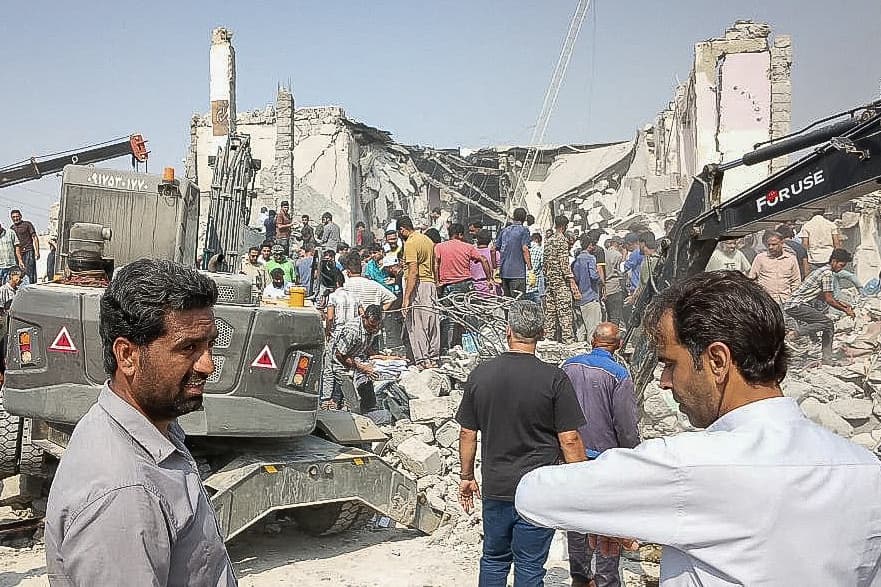
For the US and Israel, the stakes of the Minab investigation are enormous. If the strike is confirmed to have been caused by their munitions, it would provide powerful ammunition to opponents of the war, fuel calls for ceasefire, and potentially trigger formal inquiries at the international level. If it turns out to be an errant Iranian defensive missile or a collateral incident, the narrative shifts again.
But in Minab today, parents are not waiting for investigations. They are burying their daughters. And in living rooms around the world, people are looking at images of a destroyed school and asking the same question: was this worth it?
Every war has a photograph that defines it. The Vietnam napalm girl. The Syrian boy on the beach. Minab may have just produced the image that turns a military operation into a moral reckoning.