THE US EMBASSY IN KUWAIT IS ON FIRE: Black Smoke Rising Over the Compound as Iran’s Missiles Hit America’s Doorstep
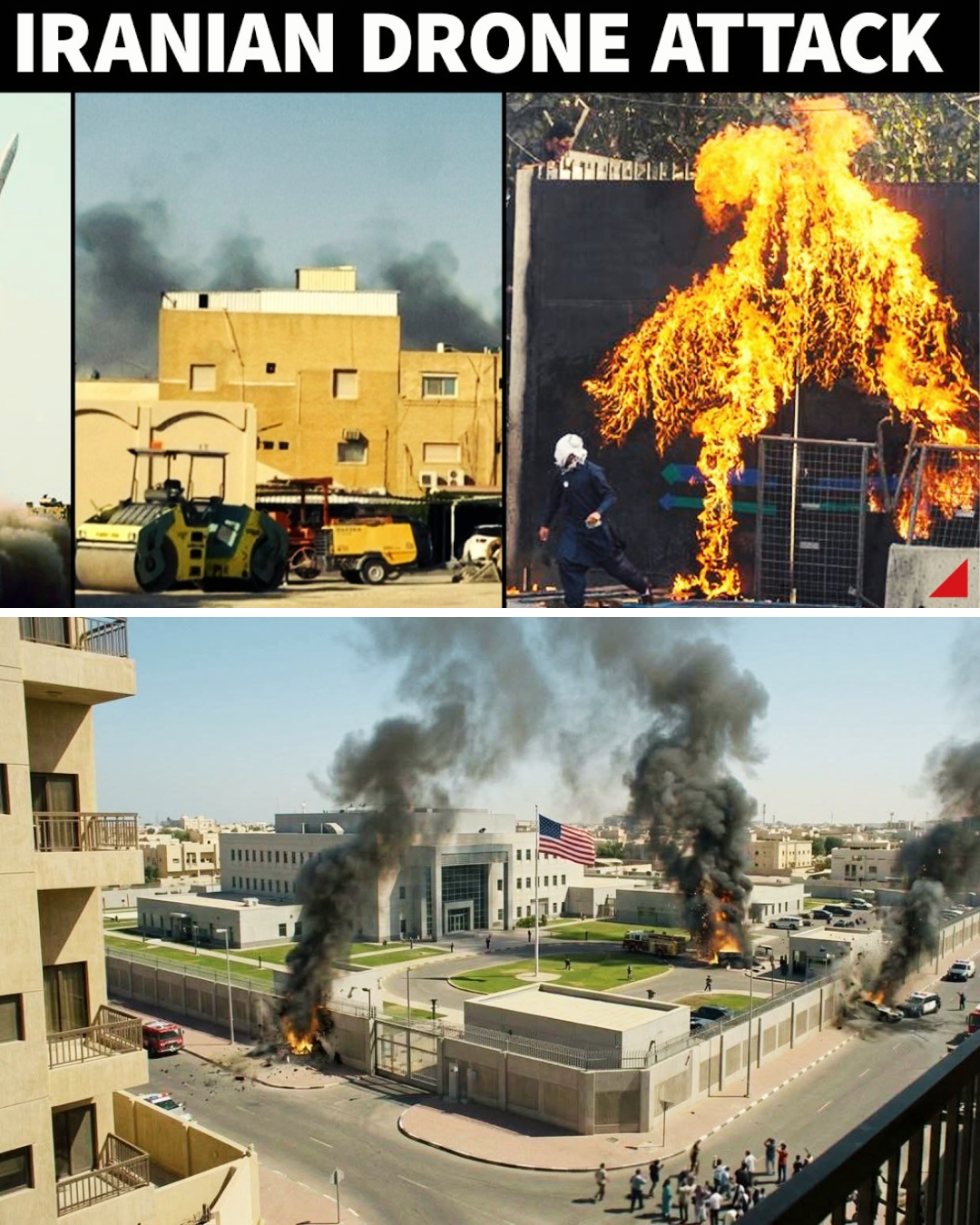
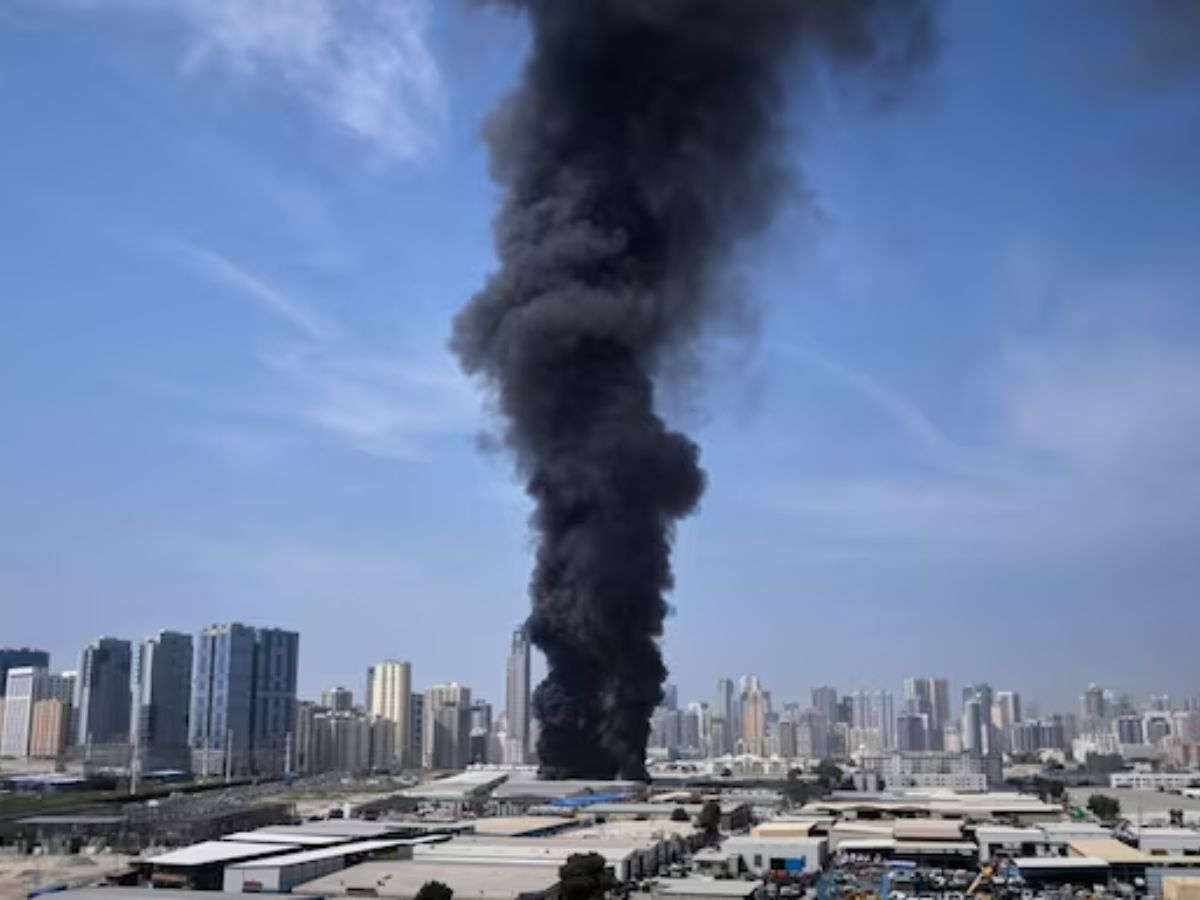
The image is one that no American official wanted to see: thick black smoke rising from the compound housing the United States Embassy in Kuwait City.
On Monday, as Iran’s retaliatory strikes continued to hammer US assets across the Middle East for the third consecutive day, the US diplomatic compound in Kuwait became the latest target. Motorists driving along a main road in Kuwait City captured images and video of dark smoke billowing from the area where the embassy is located. The US Embassy in Kuwait was subsequently closed.
The embassy strike was part of a broader Iranian assault on Kuwait that represented one of the most chaotic 24-hour periods any Gulf state has experienced in modern history. The sequence of events reads like a catalog of escalation: ballistic missiles targeting Ali al-Salem Air Base, a drone hitting Kuwait International Airport and injuring staff, one Kuwaiti civilian killed and 32 wounded, and then the catastrophic friendly fire incident in which Kuwaiti air defenses mistakenly shot down three US F-15E Strike Eagles.
The friendly fire disaster alone would have been the story of the week in any other conflict. Three American fighter jets, supporting Operation Epic Fury against Iran, were destroyed not by the enemy but by an ally’s defense systems that apparently could not distinguish them from incoming Iranian threats. Six American pilots ejected into the Kuwaiti desert. All survived, but the incident exposed terrifying coordination failures in a multi-nation air defense operation where missiles, drones, and fighter jets from multiple countries are crisscrossing the same airspace simultaneously.
Videos geolocated by news organizations show a burning aircraft falling from the sky over Al Jahra, a city just 32 kilometers west of Kuwait’s capital. A pilot can be seen parachuting to earth. The images went viral across Arabic social media, sparking anger and disbelief.

For Kuwait, the strikes represent an existential challenge. The country has carefully maintained a delicate relationship with both the United States and Iran. It hosts major US military facilities, which make it a target for Iranian retaliation. But it has also tried to avoid provoking Tehran. That balancing act was shattered on Saturday when Iranian missiles started falling on Kuwaiti soil.
The Kuwaiti Ministry of Foreign Affairs issued a statement saying the country “maintains its right to defend itself,” but the tone was notably measured, reflecting Kuwait’s awareness that it is caught between two powers with no good options.
The US State Department’s directive to Americans across the Middle East could not have been more blunt: “Depart now via commercial means due to serious safety risks.” The list of countries covered includes not just Kuwait but Bahrain, Egypt, Iran, Iraq, Israel, the West Bank and Gaza, Jordan, Lebanon, Oman, Qatar, Saudi Arabia, Syria, the UAE, and Yemen. Essentially, the US government is telling its citizens to leave the entire Middle East.
Secretary of State Marco Rubio, who briefed congressional leaders on Monday, issued a warning that would have been unthinkable a week ago: “The hardest hits are yet to come from the US military. The next phase will be even more punishing on Iran.” When the Senate Minority Leader Chuck Schumer emerged from the briefing, his assessment was damning: “I found their answers completely and totally insufficient. That briefing raised many more questions than it answered.”
For the hundreds of Americans who work at the Kuwait embassy and the thousands more living in the country, the smoke rising from their diplomatic compound is not a policy debate. It is a visceral reminder that the war has arrived at their doorstep, and the government that sent them there is telling them to leave.
The US Embassy in Kuwait — the same country that America helped liberate from Saddam Hussein in 1991 — is now a target in a war that many Kuwaitis never asked for and couldn’t prevent.