LEBANON’S PM JUST DID THE UNTHINKABLE: Ordered the Army to ARREST Hezbollah — Is This the End of the ‘State Within a State’?
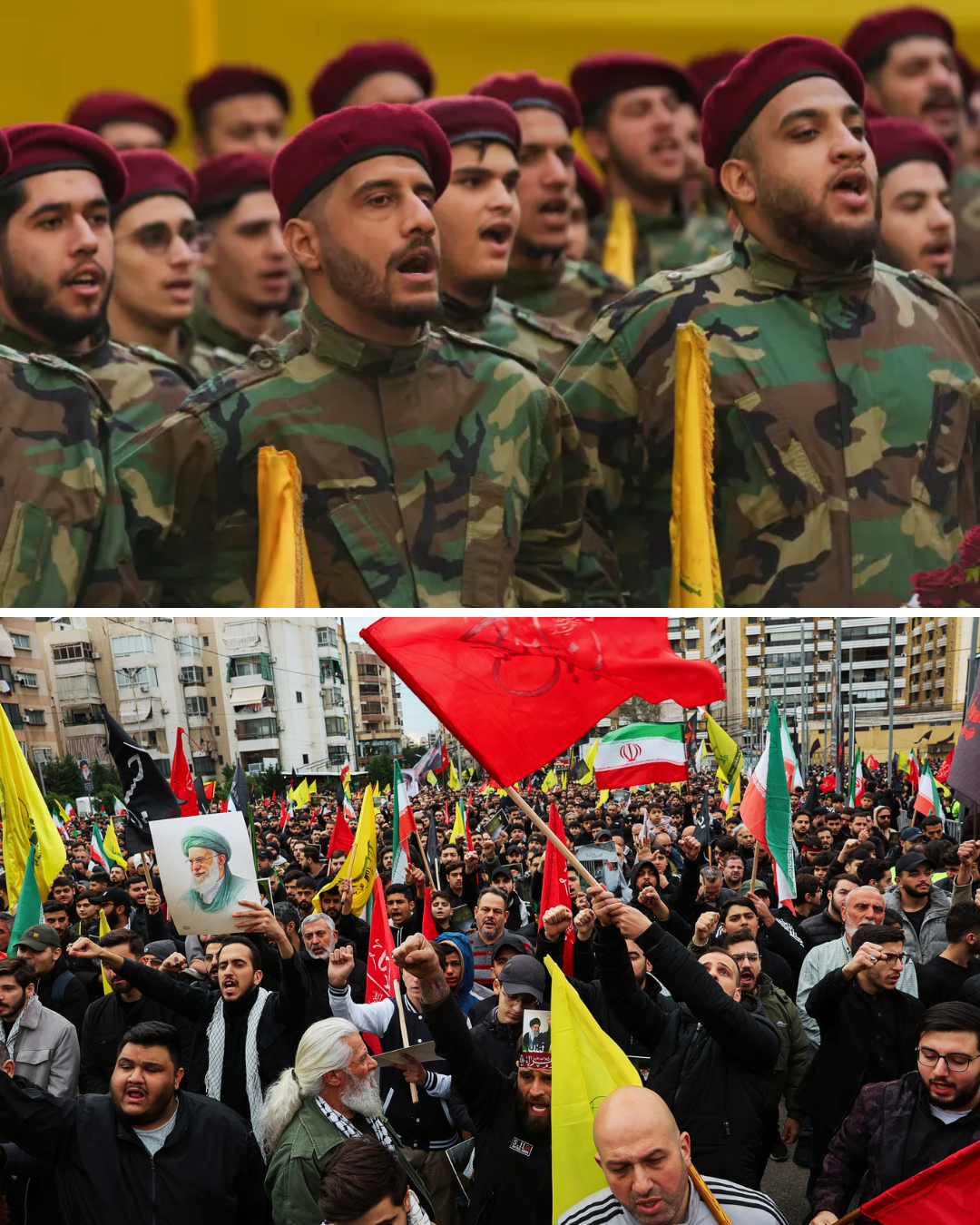
For over four decades, Hezbollah has operated as a state within the Lebanese state — an armed militia with its own army, intelligence service, and political party, answering not to Beirut but to Tehran. No Lebanese government has dared to truly confront it.
Until now.
On Monday morning, as Israeli bombs rained down on Beirut’s southern suburbs in response to Hezbollah’s rocket attack on Israel, Lebanese Prime Minister Nawaf Salam convened an emergency Cabinet meeting and did something no Lebanese leader has done in the modern era: he ordered the total disarmament of Hezbollah and demanded the arrest of those responsible for launching rockets from Lebanese territory.
The announcement was seismic. Salam declared a “total ban on all military activities by Hezbollah,” demanded the group “surrender its weapons to the state and restrict itself to political activities only,” and affirmed that “decisions on war and peace rest exclusively with the state.” Justice Minister Adel Nassar immediately requested the public prosecutor to assign security forces to “immediately arrest those involved in launching rockets from southern Lebanon toward Israel.”
In any other country, a government ordering the arrest of an armed group would be routine. In Lebanon, it is revolutionary. Hezbollah’s military wing has been more powerful than the Lebanese Armed Forces for decades. The group has a seat at the table in every government. Its fighters number in the tens of thousands. Its missile arsenal, replenished by Iran, dwarfs anything the Lebanese state possesses.
The context makes Salam’s move even more extraordinary. When Israel and Hezbollah fought a devastating war in 2024 that killed over 4,000 people in Lebanon, the conflict eventually ended with a US-brokered ceasefire. Israel killed most of Hezbollah’s senior military and political leadership, including Secretary-General Hassan Nasrallah. The Lebanese government subsequently issued a decree to disarm Hezbollah, but the group rejected it, arguing its weapons were needed to protect Lebanon from Israeli expansionism.
For weeks before Hezbollah’s Monday attack, Lebanese officials had been desperately working to keep the group out of the Iran conflict. Israel reportedly passed messages to Lebanon warning that any Hezbollah provocation would trigger a massive response against the entire country, potentially including strikes on Beirut’s airport. The government pleaded with Hezbollah not to act.
Hezbollah’s decision to ignore those pleas and launch missiles at Israel anyway forced Salam’s hand. With Israeli jets already bombing Beirut, displacing thousands of families, and killing dozens of Lebanese civilians, the Prime Minister apparently decided that tolerating Hezbollah’s independent military operations was no longer politically survivable.
The reaction within Lebanon was immediate and divided. Hezbollah supporters expressed fury at what they see as a betrayal during wartime. On the streets of Dahiyeh, even as people fled the bombing, some vowed continued loyalty to the resistance. But critics of Hezbollah, who have long argued that the group’s weapons make Lebanon a permanent target, seized on Salam’s announcement as a potential turning point.
The critical question is enforcement. Can the Lebanese Armed Forces actually arrest Hezbollah operatives? The military has historically avoided direct confrontation with the group. Hezbollah’s intelligence network is deeply embedded in Lebanese society. Many analysts expect the arrest order to remain symbolic rather than operational — a political statement rather than a military action.
But symbolism matters. For the first time, a sitting Lebanese Prime Minister has publicly framed Hezbollah’s armed activities as criminal acts requiring prosecution rather than political choices requiring negotiation. The language of the announcement — “irresponsible,” “suspicious,” “provides Israel with pretexts” — represents a fundamental break from decades of Lebanese political consensus that treated Hezbollah’s weapons as a legitimate part of the national fabric.
Whether Salam can survive the political backlash, whether the army will follow through, and whether Hezbollah will submit or fight back against its own government remains to be seen. But in a war that has already redrawn the map of the Middle East, the lines inside Lebanon may have just shifted as dramatically as any border.