VANCE ON IRAN NUCLEAR THREAT: ‘CRAZIEST’ REGIME, REBUILDING BOMB? | FACT-CHECKING TRUMP’S CLAIMS
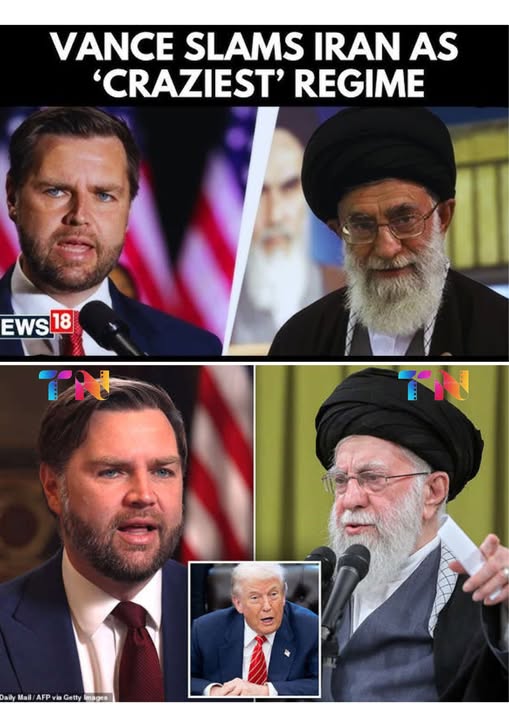
U.S. Vice President J. D. Vance has intensified warnings about Iran’s nuclear ambitions, describing Tehran as “the craziest and worst regime in the world” and insisting the United States cannot allow the Islamic Republic to acquire nuclear weapons as talks with Iranian negotiators continue. Vance made the remarks ahead of critical U.S.–Iran discussions in Geneva aimed at curbing Tehran’s nuclear program, underscoring the administration’s hardline posture on nuclear proliferation.
Administration officials, including President Donald Trump, have portrayed Iran’s activities as a resurgent threat, claiming Tehran is attempting to rebuild its nuclear capabilities following earlier U.S. military action and last year’s strikes that targeted Iranian sites. Vance and other senior officials argue diplomatic efforts must be paired with pressure to prevent Iran from achieving a weapons-grade arsenal, a stance echoed by other members of the U.S. national security team.
Fact-Checking Claims on Iran’s Nuclear Program
Independent analysis of Iran’s nuclear capabilities shows a more complex picture than some political rhetoric suggests. Intelligence assessments from last year indicated that while Iranian enrichment facilities were significantly damaged by U.S. strikes, Tehran’s exact capacity to build a nuclear weapon remained uncertain and could take years to reconstitute — not weeks, as some claims have suggested.
Experts also note that Iran maintains that its nuclear efforts are for civilian energy and medical purposes, and Tehran has repeatedly denied intentions to weaponize its program. Independent monitoring by international bodies, including the International Atomic Energy Agency (IAEA), has often highlighted discrepancies between political assertions and verified nuclear developments.
Trump, Vance, and the Broader Debate
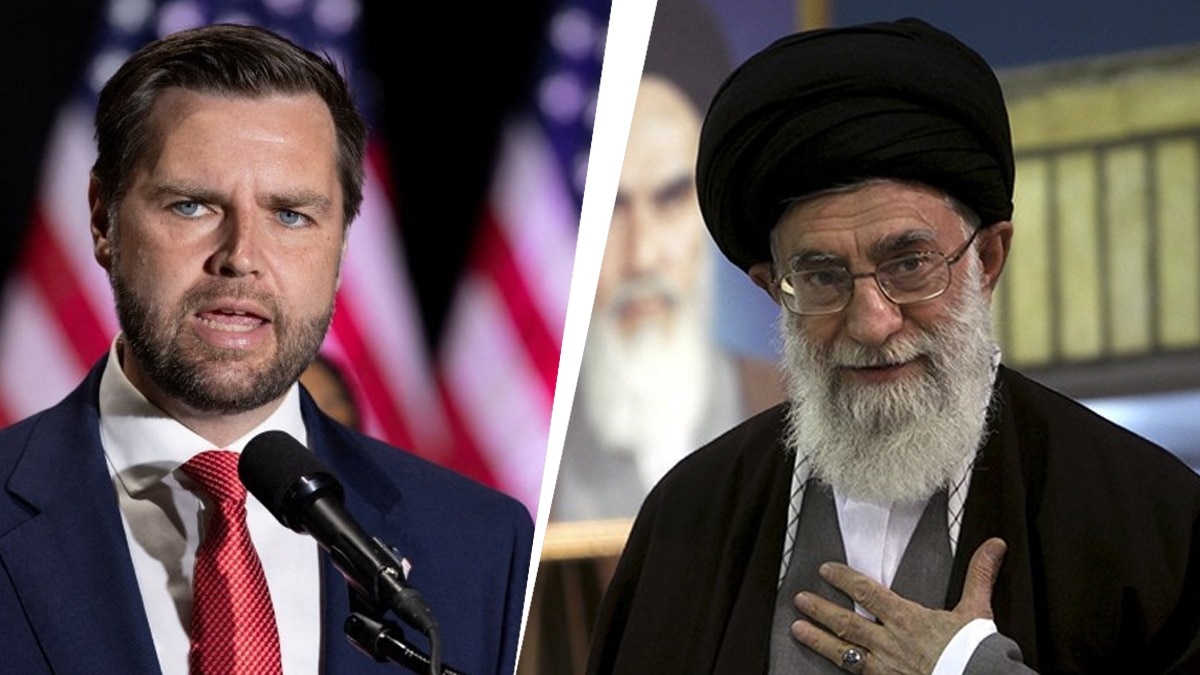
President Trump has repeatedly framed the Iranian nuclear issue as an existential threat, asserting that Iran was close to possessing weapons-grade material before U.S. countermeasures. However, analyses from security specialists caution that such assessments are frequently speculative and evolve as new intelligence becomes available. In past reporting, claims that Iran was “very close” to building a bomb were disputed by experts, spotlighting the challenges of real-time nuclear monitoring.
Vance’s rhetoric has been part of a broader strategy that balances assertive military messaging with ongoing diplomatic engagement. He has repeatedly stated a preference for a negotiated solution where possible, though stressing that the U.S. must use credible deterrence to prevent any future weaponization.
Ongoing International Context
As diplomatic talks progress, international concern remains high. U.S. officials emphasize that preventing nuclear proliferation in the Middle East is paramount, but independent analysts stress the importance of transparent verification and careful calibration of public statements. The situation continues to evolve as discussions proceed in Geneva and regional tensions persist.