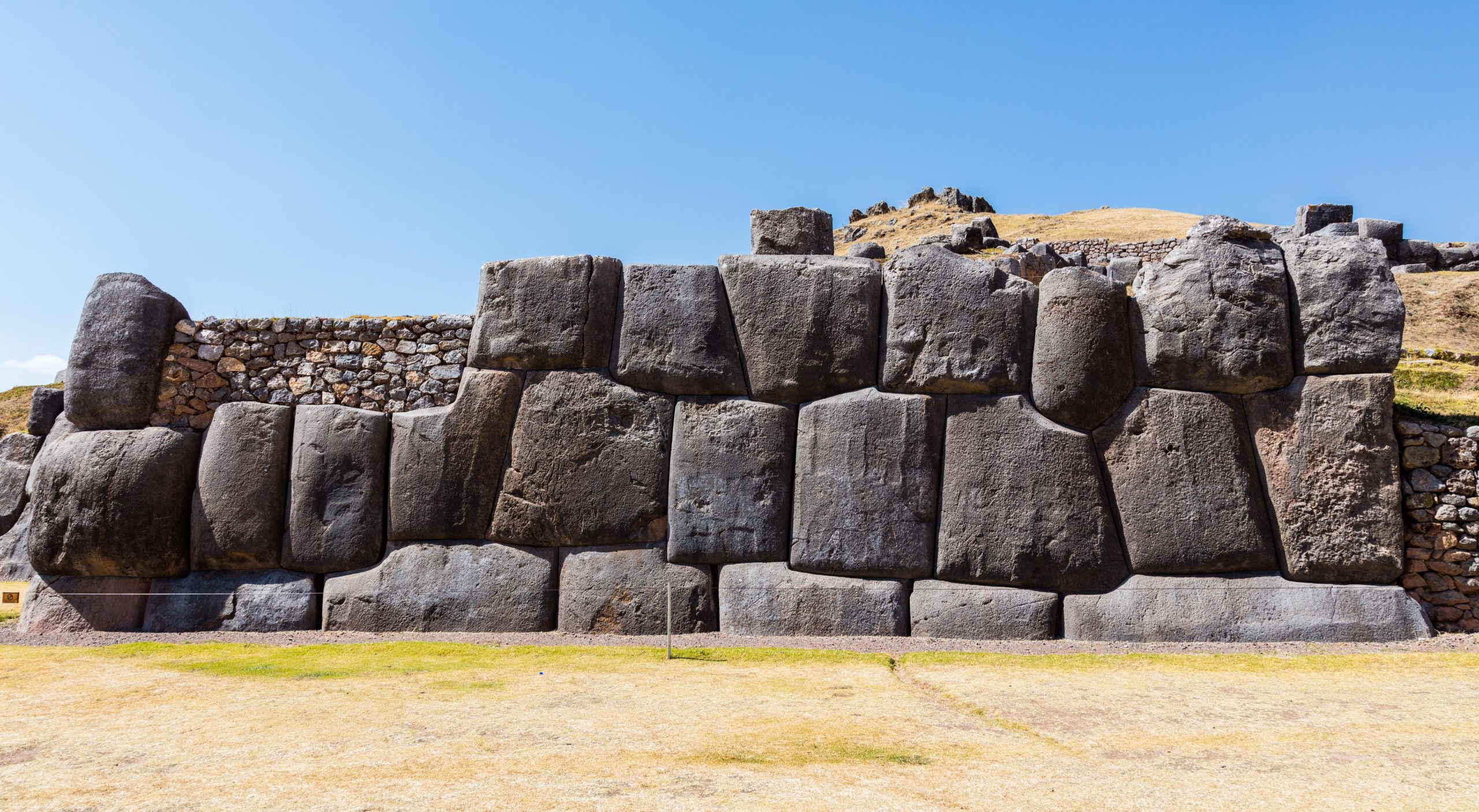
Ancient Inca Stonework in Cusco Draws Global Attention for Engineering Precision
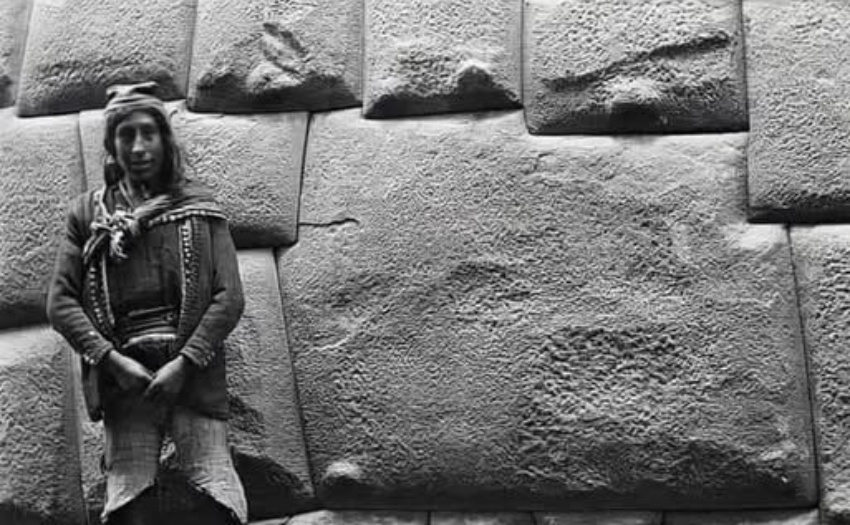
Massive polygonal stone walls built during the height of the Inca Empire continue to capture global admiration for their extraordinary craftsmanship and durability. Located in the historic city of Cusco and at the nearby archaeological complex of Sacsayhuamán, these monumental structures date back to the 15th century and remain among the most impressive examples of pre-Columbian engineering.
Constructed during the reign of the Inca Empire, the walls are composed of enormous stone blocks, some estimated to weigh more than 100 tons. What sets them apart is not only their scale, but the remarkable precision with which each stone was shaped to interlock seamlessly with neighboring blocks—without the use of mortar.
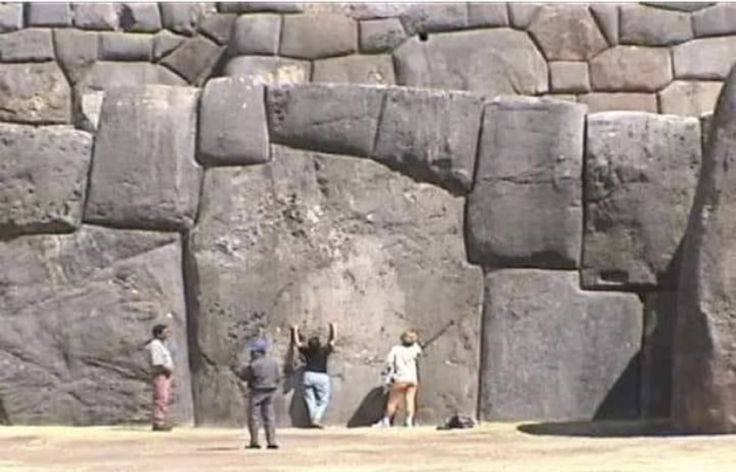
Engineers and archaeologists have long noted that the irregular, multi-angled geometry of the stones is not random. Instead, the complex polygonal shapes enhance structural stability, particularly in a region known for seismic activity. The tight-fitting design allows the stones to shift slightly during earthquakes and then settle back into place, reducing the risk of collapse.
Visitors standing beside these walls often appear small in comparison, underscoring the monumental ambition of their builders. The carefully contoured surfaces, subtle curves, and textured finishes reveal both the passage of time and the meticulous human effort behind each cut.
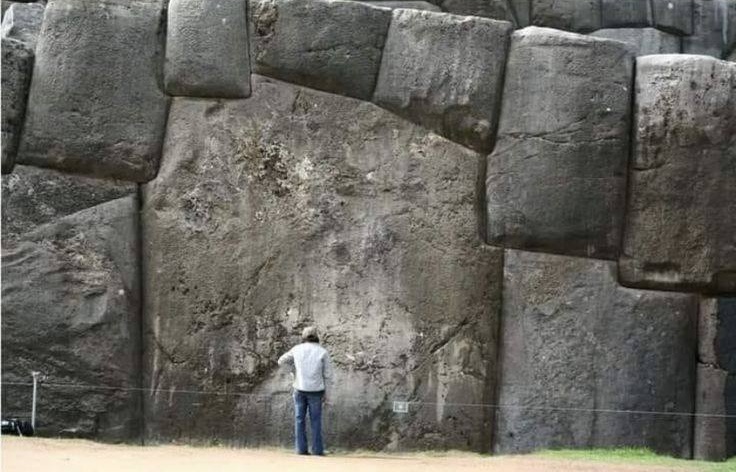
Among the most celebrated examples of Inca masonry is the famous 12-angled stone, known locally as La Piedra de los Doce Ángulos. This masterwork is located along Hatun Rumiyoc Street in Cusco’s historic center. The central stone features twelve precisely carved angles that fit perfectly against the surrounding blocks. The craftsmanship is so exact that even a thin object cannot be inserted between the joints.
Historians believe the structure was built during the 15th century, when Cusco served as the capital of the Inca Empire. The stone has since become a national symbol of Peru, representing both cultural identity and architectural achievement.
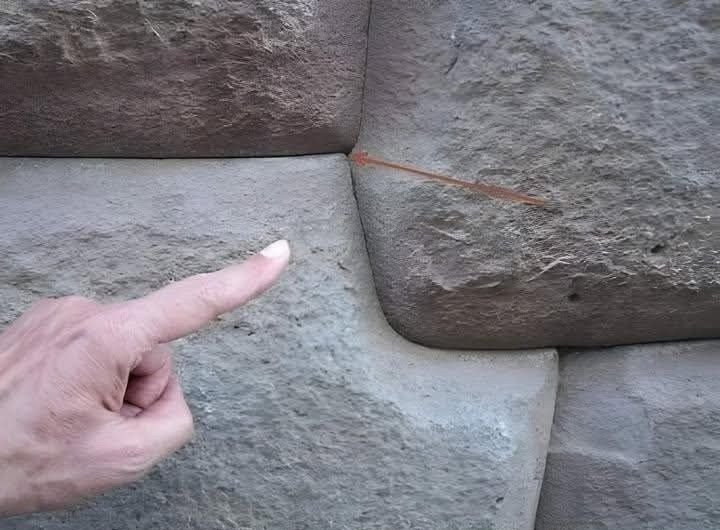
Scholars continue to study the methods used by Inca builders, as no written records detail their construction techniques. Evidence suggests that workers shaped stones using hammerstones and other simple tools, gradually refining each surface until it matched adjacent blocks with extraordinary accuracy. The process likely required patience, coordination, and a deep understanding of material properties.
Beyond their technical excellence, the walls also carry cultural significance. They reflect an architectural philosophy that balanced strength, functionality, and aesthetic harmony. The stones’ organic shapes mirror the surrounding Andean landscape, reinforcing the Inca worldview that emphasized unity between human creation and nature.
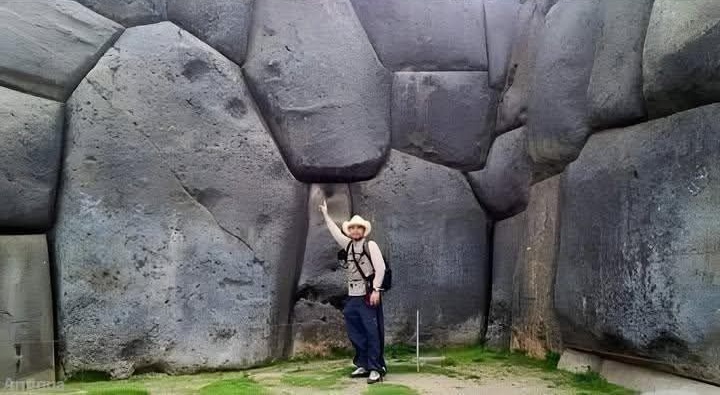
Today, the preserved walls in Cusco and Sacsayhuamán remain central to Peru’s historical heritage and tourism economy. Conservation efforts aim to protect the structures from environmental wear and urban pressure, ensuring that future generations can continue to study and admire them.
More than five centuries after their construction, the polygonal walls stand as enduring proof of the Inca civilization’s engineering skill and creative vision. Their resilience against earthquakes and the precision of their design continue to inspire researchers, architects, and visitors from around the world.