WITNESS DESCRIBES ‘DOUBLE-TAP’ STRIKE ON DOWNTOWN TEHRAN: ‘The Second Bomb Hit While People Were Running to Help’ — The Tactic That Horrified a City
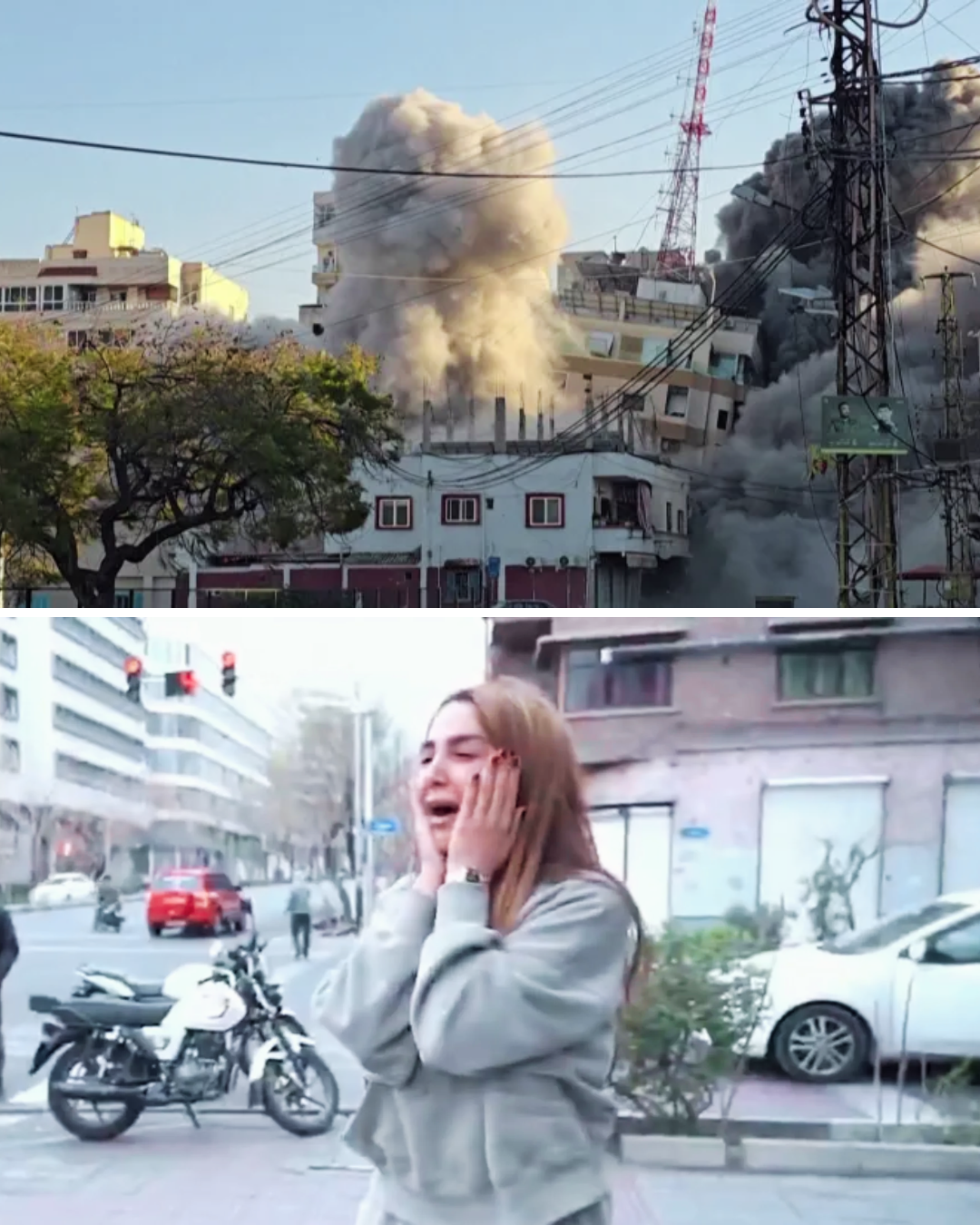
The first explosion hit at approximately 8 PM local time. It was enormous — a blast powerful enough to shatter windows across several blocks of downtown Tehran and send a column of smoke visible from miles away.
Then came the response that has always defined human decency in times of disaster: ordinary people ran toward the explosion. Neighbors rushed out of their apartments. Shopkeepers dropped what they were doing. People who had been walking on the street turned and moved toward the smoke, toward the screams, toward the wreckage, to help.
The second strike hit minutes later.
Al Jazeera published a witness account describing what it called a “double-tap” strike on downtown Tehran — a military tactic in which an initial strike is followed by a second strike on the same location, timed to hit the first responders and civilians who rush to assist the victims of the first attack.
The witness’s account has not been independently verified, and the US and Israeli militaries have not commented on the specific allegation. But the “double-tap” accusation has sparked outrage across Iran and in international humanitarian circles, because the tactic — if confirmed — would constitute a serious violation of international humanitarian law.
The Geneva Conventions provide special protection for medical personnel and first responders in conflict zones. Deliberately targeting people who are providing medical assistance to the wounded is classified as a war crime under the Rome Statute of the International Criminal Court. The prohibition applies regardless of whether the first responders are military medics, civilian volunteers, or simply neighbors trying to help.
The double-tap tactic has been documented and condemned in previous conflicts. The Bureau of Investigative Journalism extensively documented allegations of double-tap drone strikes in Pakistan’s tribal areas, where follow-up strikes hit rescuers attending to victims of initial attacks. Israel has faced similar accusations during operations in Gaza, where strikes hit locations shortly after initial bombardments when first responders were on the scene.
In Tehran, where more than 130 cities across Iran have come under attack and the death toll has reached 787, the witness account resonates with particular horror because it suggests that the danger does not end when the first bomb falls — it intensifies. If civilians cannot safely attempt to rescue their neighbors, the humanitarian consequences of every strike multiply.
The Iranian Red Crescent, which is coordinating emergency response across the country, has been overwhelmed since the conflict began. Medical supplies are running short. With internet connectivity at 1 to 4 percent, coordination between emergency teams is severely hampered. And with the state broadcaster’s signals disrupted, the normal channels for alerting civilians about strikes and safe evacuation routes have been degraded.
For the residents of Tehran — a city of approximately 9 million people — the war has transformed daily life into a survival calculation. Every loud noise triggers a decision: stay inside or go out to help? Every smoke column in the distance raises a question: is it over, or is there a second one coming?
The psychological impact of the double-tap allegation extends beyond the immediate victims. It creates a climate of distrust that inhibits the instinct to help — the most fundamental human response to another person’s suffering. If people believe that aiding the wounded may be fatal, they will stop coming. And when they stop coming, the death toll from every subsequent strike rises.
Multiple human rights organizations have called for an independent investigation into the conduct of hostilities in Iran, including the double-tap allegations. Amnesty International and Human Rights Watch have both demanded that all parties to the conflict comply with international humanitarian law and allow unimpeded access for humanitarian organizations.
The US military has consistently stated that it takes precautions to minimize civilian harm. CENTCOM spokesperson Capt. Tim Hawkins said: “The protection of civilians is of utmost importance. Unlike Iran, we have never — and will never — target civilians.”
But in the streets of downtown Tehran, where the second blast left a second crater among people who had come to help, those assurances ring hollow. The people running toward the smoke were not combatants. They were neighbors. And if the witness account is accurate, they were targeted precisely because they did what humans do: they tried to save each other.