$424,000 PER DAY TO MOVE OIL: Shipping Rates Just Hit the Highest Level in HUMAN HISTORY — What This Means for the Price of Everything You Buy
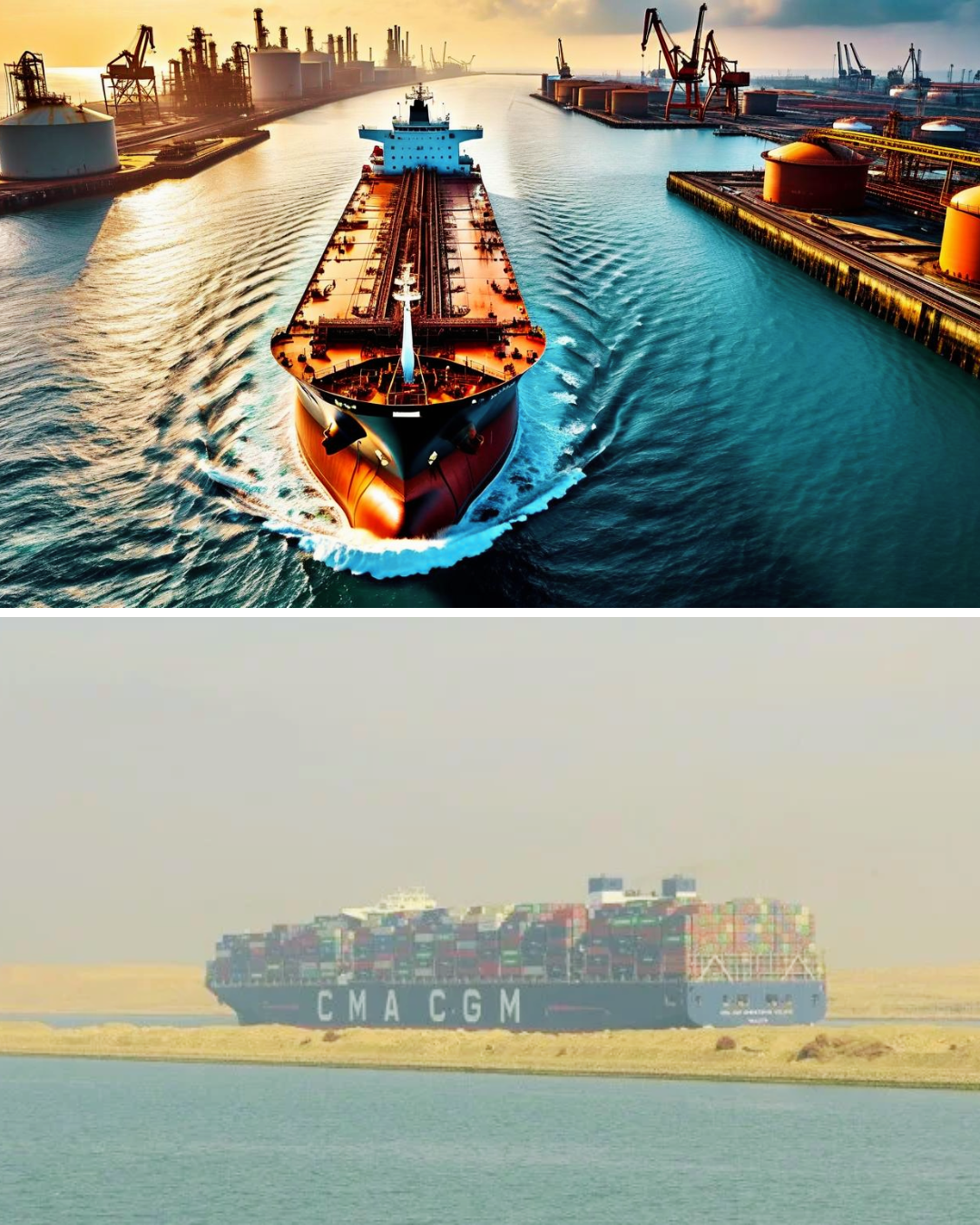
The number landed on trading desks Monday morning like a missile of its own: $424,000 per day.
That is the new cost to charter a Very Large Crude Carrier — a supertanker capable of hauling two million barrels of oil — from the Middle East to China. According to data from the Baltic Exchange in London and LSEG, the benchmark freight rate on the most important oil shipping route in the world has surged to an all-time record, reflecting an increase of more than 94 percent from the previous trading session.
To understand what this number means, consider that just weeks ago, the same voyage cost roughly half that amount. At the start of 2026, the benchmark had been trending modestly higher but remained within normal parameters. In three days, it has nearly tripled.
The cause is simple and terrifying: the Strait of Hormuz is effectively closed. Iran’s Revolutionary Guard has broadcast warnings on international distress frequencies that no ships will be permitted to pass. At least five tankers have been damaged, two crew members killed, and approximately 150 ships are sitting at anchor in open Gulf waters, unable to proceed. Major shipping companies including Maersk, MSC, Hapag-Lloyd, CMA CGM, and COSCO have all suspended transits through the strait.
One South Korean shipping company, Sinokor, which controls an estimated 40 percent of available supertankers, is now asking the equivalent of $20 per barrel just for transportation — a cost that would be passed directly to refiners, and ultimately to consumers at the gas pump.
The cost of booking a tanker from the US Gulf Coast to China also hit a record: more than $21 million for a single voyage. Global average supertanker rates have surged to $280,941 per day — the highest level since at least 2008, according to Lloyd’s List.
But oil tankers are only part of the story. LNG shipping rates surged by 40 percent on Monday alone, after Qatar — the world’s second-largest LNG exporter, accounting for about 20 percent of global export capacity — halted production. Container shipping giants have rerouted vessels around the Cape of Good Hope, adding approximately two weeks to transit times between Asia and Europe and inflating costs across the entire supply chain.
Marine insurers have announced they will cancel war risk coverage for the region effective March 5. Once that deadline passes, any ship that attempts to enter the Persian Gulf will be effectively uninsurable — a death sentence for commercial shipping operations that require coverage to operate.
For consumers worldwide, these shipping costs will ripple outward like shockwaves. Everything transported by sea — which is approximately 90 percent of global trade — becomes more expensive when freight rates surge. The cost of gasoline, plastics, fertilizers, electronics, food imports, construction materials, and thousands of other commodities will increase as the transportation premium is passed through the supply chain.
US gasoline prices have already topped $3 per gallon, up from pre-conflict levels, and analysts project further increases. In Asia, where 84 percent of Gulf oil shipments are destined, the impact will be even more severe. Nomura identified Thailand, India, South Korea, and the Philippines as the most vulnerable economies due to their high import dependence on Middle Eastern energy.
One shipping analyst described the market situation in stark terms: there is “no real alternative” to ocean freight through the Gulf for much of global trade. Rerouting around Africa adds enormous time and cost. Pipeline capacity is limited. And the war shows no sign of ending.
The $424,000-per-day figure is not just a record for this conflict. It is the highest freight rate for crude oil transportation in recorded maritime history. And every day it persists, the cost of living for billions of people climbs higher.
The missiles in this war hit buildings and ships. But the most devastating weapon may turn out to be the invoice.