THE US SAYS IT HAS ‘UNLIMITED MUNITIONS’ — BUT MISSILE STOCKS ARE ‘RUNNING LOW’: The Contradiction That Could Decide How This War Ends
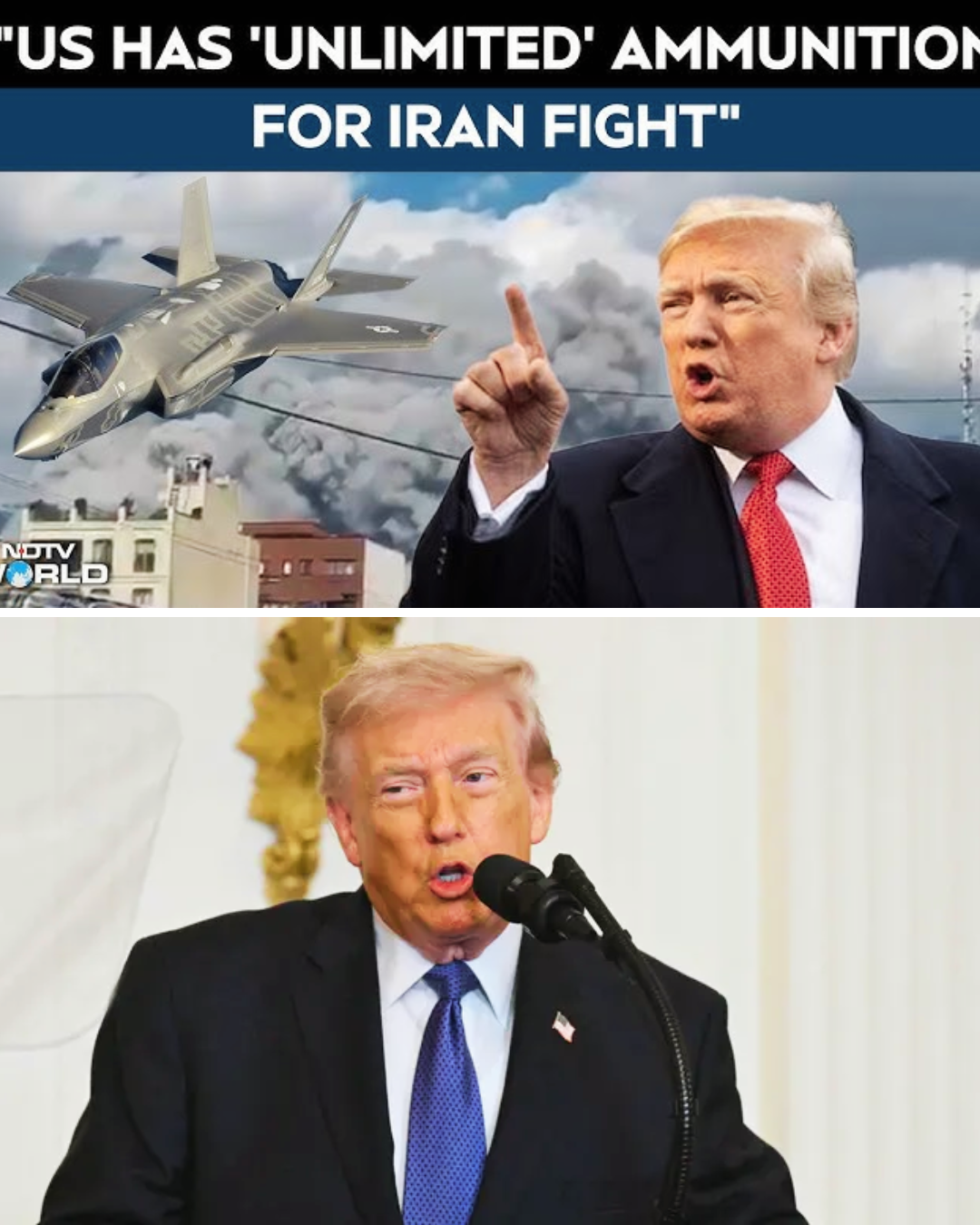
On Tuesday morning, a statement came from the highest level of US military command that was designed to project absolute confidence: the United States has a “virtually unlimited supply” of munitions to sustain the war against Iran.
The claim is extraordinary. It is also contradicted by reports from within the Pentagon itself.
A senior US official acknowledged on Monday that missile stocks are “running low,” particularly Tomahawk land attack missiles and SM-3 interceptors — two of the most critical weapon systems in the current campaign. Tomahawk cruise missiles have been a primary offensive weapon, used to strike targets deep inside Iran from ships stationed in the Gulf. SM-3 interceptors have been the frontline defense against Iranian ballistic missiles targeting US bases across the region.
Each Tomahawk costs approximately $2 million. Each SM-3 interceptor costs between $10 million and $28 million depending on the variant. When you are firing both at the rates required to sustain simultaneous offensive and defensive operations across multiple countries, the arithmetic is unforgiving.
The US military has been expending munitions at an exceptional rate. Central Command has confirmed strikes on more than 1,250 targets inside Iran using “more than 20 different weapons systems across air, sea, land, and missile defense forces.” B-1 bombers have been striking deep inside Iran. B-2 stealth bombers have been deploying 2,000-pound bunker busters. Navy destroyers and submarines have been launching Tomahawks. And air defense systems have been firing interceptors daily to protect bases in Kuwait, Qatar, Bahrain, Saudi Arabia, and the UAE from Iranian retaliation.
The disconnect between “virtually unlimited” and “running low” is not necessarily a contradiction — it may reflect different timelines and different weapon categories. The United States possesses enormous stockpiles of conventional bombs and air-delivered munitions. What it may be running low on are the precision standoff weapons — the cruise missiles and interceptors — that allow strikes to be conducted from safe distances without putting pilots in danger.
This distinction matters enormously. If Tomahawk stocks are depleted, strikes on Iran would need to rely more heavily on manned aircraft flying closer to targets — increasing the risk of shootdowns and pilot casualties. If SM-3 interceptor stocks are depleted, US bases in the Gulf become more vulnerable to Iranian ballistic missiles. The six American service members already killed in the conflict died at bases that were supposed to be protected by those very defense systems.
The munitions supply issue also has a production dimension. The United States cannot manufacture Tomahawk missiles or SM-3 interceptors overnight. The defense industrial base requires months to years to ramp up production of complex precision weapons. The war in Ukraine exposed significant bottlenecks in Western ammunition production — 155mm artillery shells, HIMARS rockets, and air defense missiles all faced shortages that took years to address.
A sustained four-to-five-week campaign against Iran, as projected, would require thousands of cruise missiles, thousands of precision-guided bombs, and hundreds of interceptors. The US military maintains classified stockpile levels, but defense analysts have estimated that pre-conflict Tomahawk inventories numbered in the low thousands — a number that could be significantly depleted if the current expenditure rate continues.
Secretary of State Marco Rubio’s warning that “the hardest hits are yet to come” and “the next phase will be even more punishing” implies a planned escalation of strike intensity. If that escalation requires weapons systems that are already running low, the US faces a choice between slowing the campaign or accepting greater risk to pilots and bases.
The defense industry is watching closely. Raytheon, the manufacturer of Tomahawk missiles, and Lockheed Martin, which produces SM-3 interceptors, would both benefit from emergency production orders. But even with priority contracts, ramping production takes time that a four-week war may not provide.
“Virtually unlimited” is not a logistics assessment. It is a message — to Iran, to Congress, to the American public, and to allies. It says: we will not run out of the will or the means to continue. Whether the actual stockpiles can sustain that promise is a question that will be answered not by press conferences, but by the production lines that cannot run fast enough and the magazines that grow emptier with each day of war.