Tehran Under Siege: Israel Intensifies Strikes as Iran Vows Total Retaliation for Leader’s Death
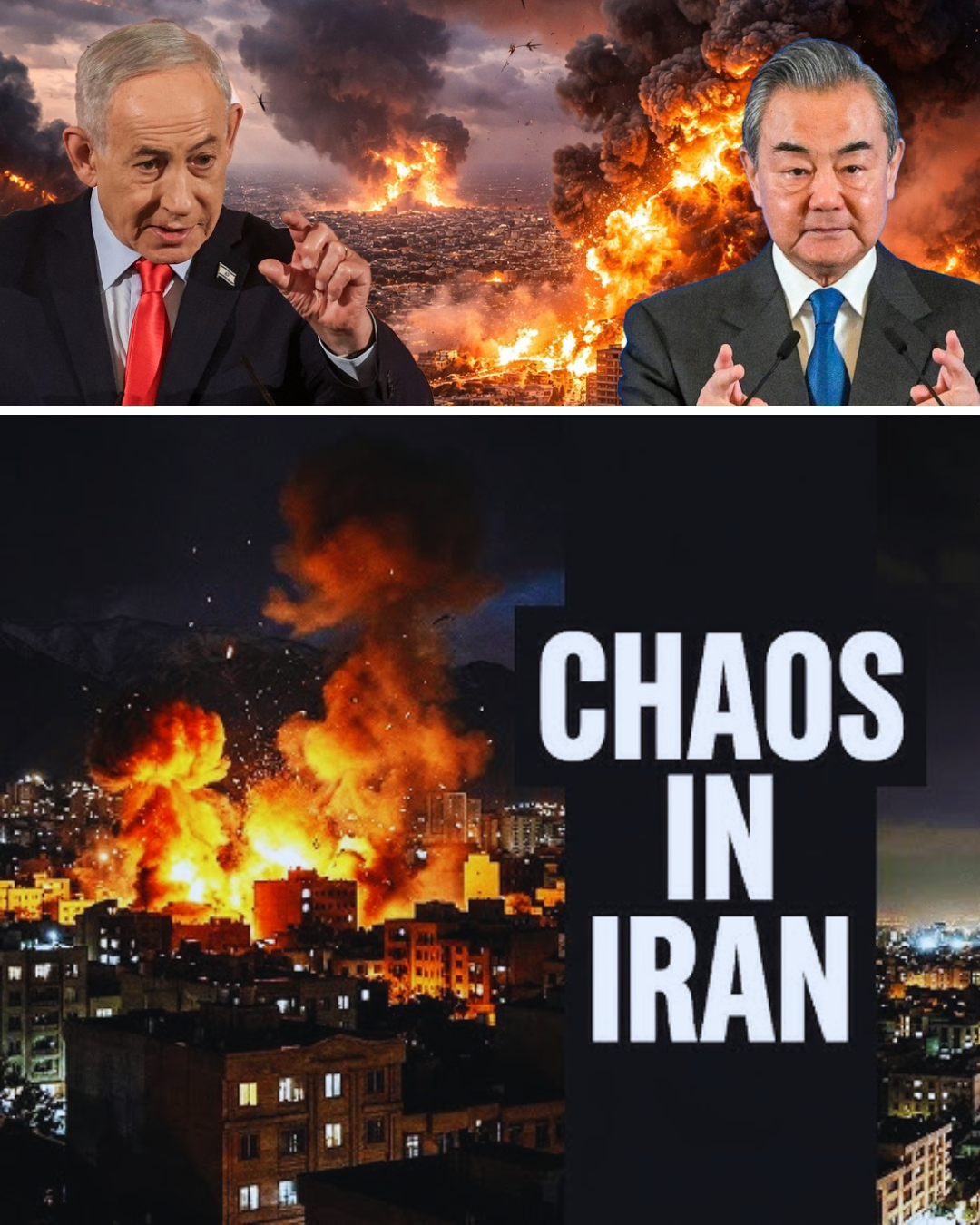
TEHRAN / WASHINGTON D.C. — The Middle East has spiraled into its most volatile state in decades as the Israeli Defense Forces (IDF) and U.S. military assets ramp up a massive aerial bombardment of the Iranian capital. With the confirmed death of Supreme Leader Ali Khamenei, the region faces an unprecedented power vacuum, while global markets brace for the impact of a potential closure of the Strait of Hormuz.
A Capital in Chaos
Tehran, a metropolis of over 10 million people, has been transformed into a battlefield. For four consecutive nights, residents have reported “earth-shattering” explosions as U.S. and Israeli forces expanded their target list from nuclear and missile facilities to government buildings, state media headquarters, and security infrastructure.
Eyewitness accounts describe a city paralyzed by fear. Landmarks such as the state broadcasting building on Vali-e-Asr Street have been hit, and local hospitals, including the private Gandhi Hospital, have suffered severe structural damage, forcing the evacuation of patients. “It feels like bunker-busters or something worse,” one resident remarked during a disrupted livestream. While traffic within the city has vanished, highways leading to the Caspian coast are reportedly choked with families fleeing the capital.
“Epic Fury”: The U.S. Strategic Assault
The U.S. Central Command (CENTCOM) has released footage of B-1 Lancer strategic bombers participating in “Operation Epic Fury.” These supersonic aircraft, capable of carrying an extensive array of precision-guided munitions and bunker-busters, have been striking deep within Iranian territory to neutralize Tehran’s ballistic missile industry.
President Donald Trump, in a defiant tone, claimed that the initial waves of the offensive successfully eliminated 48 high-ranking Iranian officials. “I knocked him out before he knocked me out,” Trump stated in a phone call with ABC News, referring to alleged assassination attempts by the Iranian leadership against him. He warned that military operations will persist until all Washington’s objectives are fully met.
Iran Strikes Back: Retaliation in the Strait
The Islamic Revolutionary Guard Corps (IRGC) has not remained silent. In a direct challenge to global energy security, the IRGC announced it has officially closed the Strait of Hormuz—the world’s most critical artery for oil and gas.
Retaliatory strikes have already begun. The IRGC claimed responsibility for a drone attack on the Athenova, a tanker they identified as linked to U.S. interests, which remains ablaze in the strait. Furthermore, a “total counter-attack” involving over 1,300 missiles and drones has targeted 27 U.S. and Israeli bases across the Middle East, with debris from interceptions causing damage to civilian luxury hubs in Dubai and Bahrain.
Diplomatic Frictions and Domestic Dissent
In the international arena, China has categorically denied reports of providing military aid to Tehran, insisting its support remains strictly political and spiritual. Foreign Minister Wang Yi has called for an immediate ceasefire, though Beijing stopped short of endorsing Iran’s retaliatory actions.
Domestically, the Trump administration faces significant pressure from Congress. A bipartisan group of lawmakers, led by Representatives Ro Khanna and Thomas Massie, is pushing for a vote on a War Powers Resolution to limit the President’s authority to conduct further military actions without congressional approval. Critics, including Senator Adam Schiff, argue that despite Tehran’s actions, Iran does not pose an “imminent threat” to the U.S. mainland that would justify a campaign of regime change.
National Mourning and Global Protests
Iran has entered a 40-day period of national mourning for Ayatollah Ali Khamenei. Massive demonstrations have erupted in Tehran, Mashhad, and Qom, with citizens carrying black flags and portraits of the late leader, demanding immediate military vengeance. Anti-war protests have also spread globally, with significant gatherings in Karachi, Baghdad, Athens, and New York’s Times Square.
As the death toll inside Iran surpasses 555—including nearly 200 children killed in a school strike in the south—the international community remains on high alert. The “Epic Fury” shows no signs of slowing, leaving the world to wonder if this is the beginning of a new regional order or a catastrophic global conflict.