Netanyahu Defends Iran Strikes: “It Is Now or Never” to Prevent a Nuclear Threat
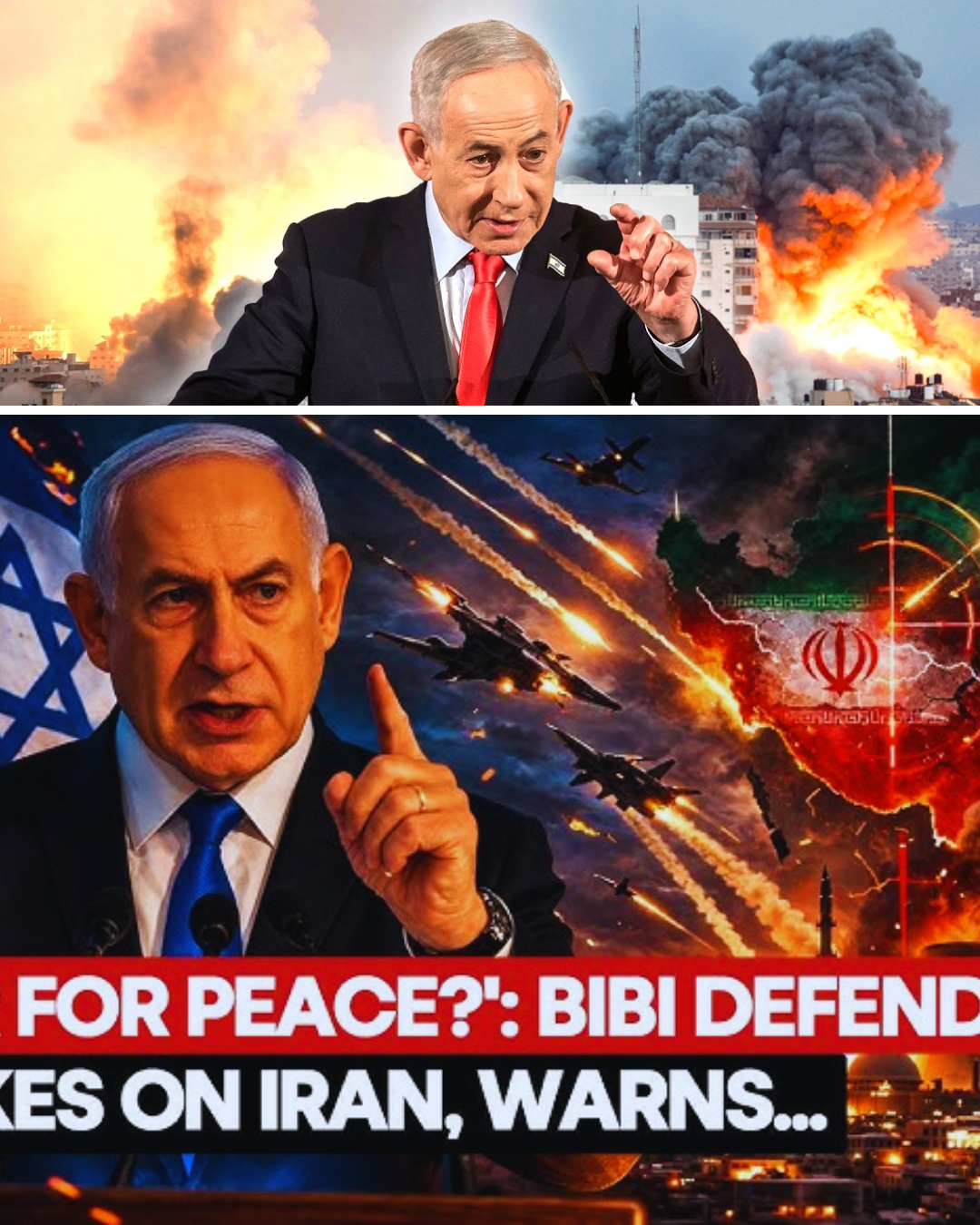
JERUSALEM — Israeli Prime Minister Benjamin Netanyahu has characterized the joint U.S.-Israeli military campaign against Iran as a critical window of opportunity that is rapidly closing. In a series of high-level briefings, Netanyahu asserted that failing to act now would allow Iran to achieve a “nuclear invulnerability” that could threaten the existence of the state of Israel and the security of the United States.
The Countdown to Invulnerability
According to Prime Minister Netanyahu, intelligence reports indicate that Iran has accelerated the construction of new underground bunker facilities designed to house ballistic missiles and nuclear research. These sites, he warned, are projected to become physically “impregnable” to conventional strikes within a matter of months. “If we do not act now, there will be no chance to act in the future,” Netanyahu stated. He argued that a nuclear-armed Tehran would be capable of “blackmailing” the United States and holding the entire region hostage.
While Iran’s Ambassador to the IAEA, Reza Najafi, maintains that their facilities are strictly for “peaceful purposes” and remain safe, reports from Al Jazeera confirmed large explosions near nuclear sites and airbases in Isfahan. Najafi also claimed that the Natanz nuclear facility was a target of U.S.-Israeli strikes on March 1.
“Epic Fury”: Dismantling the Infrastructure
The U.S. and Israel launched their large-scale offensive, dubbed “Operation Epic Fury” by Washington, on February 28. President Donald Trump, speaking from the White House, revealed that the U.S. had warned Tehran following a previous operation in June 2025 not to rebuild its nuclear program elsewhere. “They ignored that warning,” Trump said. “Iran possessing a nuclear weapon is unacceptable to the United States”.
The results of the first 48 hours have been described as devastating. U.S. Central Command (CENTCOM) reported strikes on over 1,250 strategic targets, including:
-
Command and control centers.
-
Ballistic missile launch platforms and stockpiles.
-
Naval assets, including warships and submarines.
Israeli estimates suggest that more than 1,500 members of the Islamic Revolutionary Guard Corps (IRGC) have been killed since the campaign began. The strikes also resulted in the death of Iran’s Supreme Leader, Ali Khamenei, along with several high-ranking officials.
Technological Superiority on the Battlefield
The campaign has featured a significant display of advanced military technology. The U.S. has deployed B-2 Spirit stealth bombers from the mainland to target hardened bunkers with 900kg precision bombs. Additionally, the “Lucas” drone—a cost-effective kamikaze UAV ($35,000 per unit) designed based on Iranian models—made its combat debut to overwhelm local defenses. F-35 Lightning II and F/A-18 Super Hornets have been used extensively to achieve total air superiority, blinding Iranian radar systems and allowing for direct aerial bombardment of Tehran.
Regional Retaliation and Global Fallout
The IRGC has responded with a “total counter-attack,” launching its sixth wave of strikes involving missiles and drones aimed at 27 U.S. and Israeli bases across the Middle East. This retaliation has spread to civilian hubs in Dubai, Qatar, and Bahrain. In Dubai, falling debris from intercepted missiles caused fires near the Jebel Ali port and luxury developments on the Palm Jumeirah.
The escalating danger prompted the U.S. State Department to issue an emergency order for American citizens to immediately evacuate 16 Middle Eastern countries. As President Trump warns that a “massive surge” in operations is expected over the next 24 hours, the international community remains divided. While Washington and Jerusalem frame the mission as a “last best chance” to eliminate an unacceptable threat, the world watches with bated breath to see if the conflict will lead to regional stability or a broader global catastrophe.