Operation Epic Fury: Inside the Massive U.S. Arsenal Decimating Iranian Strategic Targets
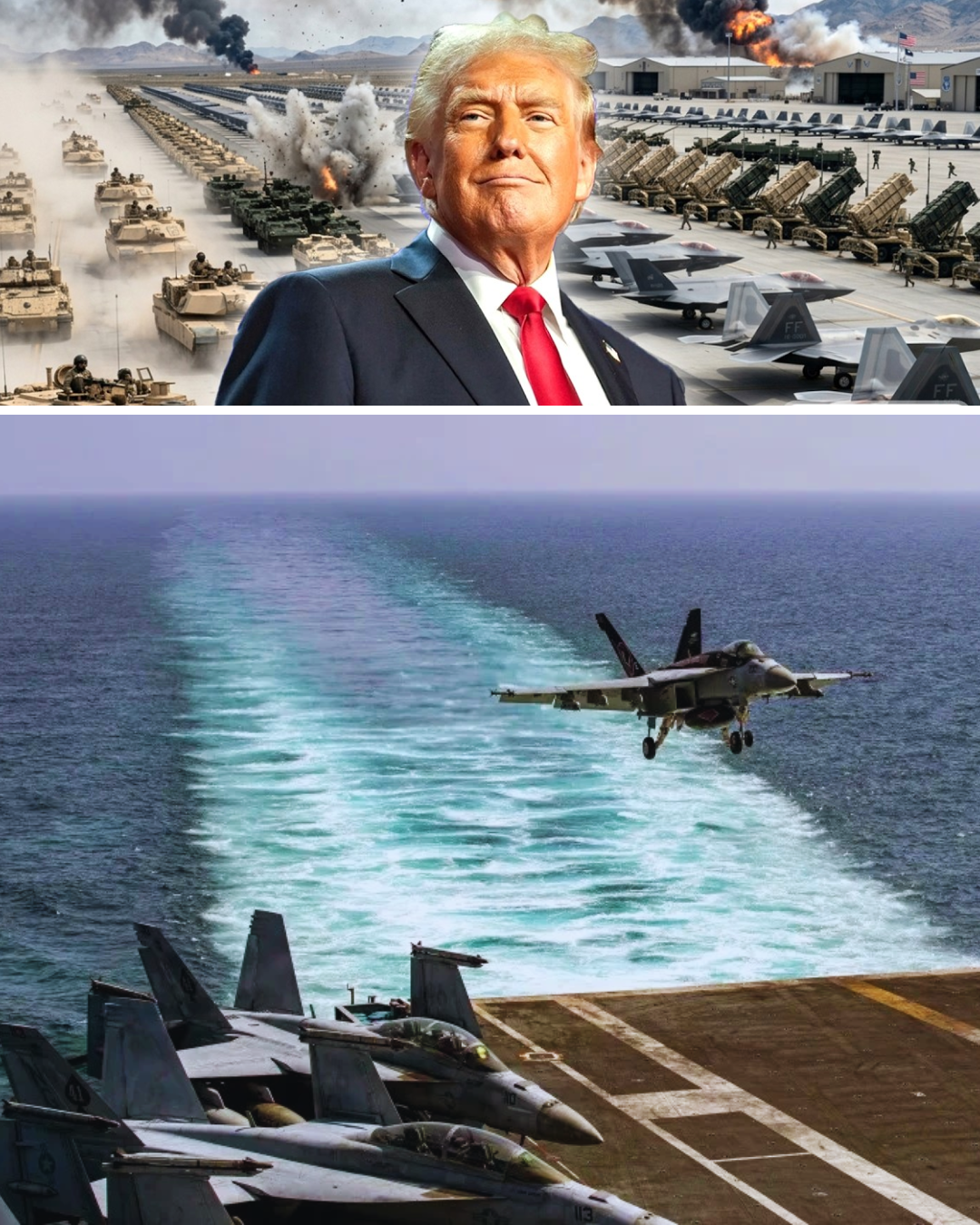
WASHINGTON D.C. — The Middle East is witnessing the most significant concentration of American military firepower in decades. Following the launch of “Operation Epic Fury” on February 28, the United States Central Command (CENTCOM) confirmed that over 1,000 targets across Iran were neutralized within the first 24 hours, utilizing a sophisticated triad of stealth technology, low-cost drones, and overwhelming naval power.
The Spearhead: Stealth and Precision
The centerpiece of the opening gambit was the deployment of the B-2 Spirit stealth bomber. In a display of global reach, four B-2 Spirits—each valued at over $1 billion—conducted grueling round-trip missions from the United States mainland to strike hardened Iranian bunkers. These “flying wings” utilized 2,000-pound (900kg) satellite-guided munitions to dismantle deep-buried command centers and missile silos that were previously thought to be impregnable.
Complementing the heavy bombers was a massive fleet of fifth-generation fighters. CENTCOM reported the deployment of approximately 30 F-35A Lightning II jets, alongside carrier-based F-35C variants. These aircraft, working in tandem with F-22 Raptors and F-15E Strike Eagles, provided total air superiority, effectively “blinding” Iranian radar networks through integrated electronic warfare and stealth.
Technological Innovation: The “Lucas” Drone
In a historic first for modern combat, the U.S. Air Force utilized the “Lucas” one-way attack drone. Operated by the newly formed “Scorpion Strike” Task Force, these low-cost UAVs are designed to mimic the flight patterns of Iran’s own Shahed drones. By saturating enemy air defenses with high volumes of expendable, precision-guided drones, the U.S. was able to deplete Iranian interceptor stocks before the primary wave of manned aircraft arrived, maximizing lethality while minimizing costs.
Naval Dominance and Ground Artillery
At sea, the USS Abraham Lincoln and the USS Gerald R. Ford carrier strike groups served as the operational hubs for the Eastern Mediterranean and the Persian Gulf. They were accompanied by Arleigh Burke-class destroyers, each capable of unleashing up to 96 Tomahawk cruise missiles. These sea-launched strikes targeted Iranian maritime facilities and coastal defense batteries with surgical precision.
On the ground, the High Mobility Artillery Rocket System (HIMARS) provided long-range support, capable of striking targets up to 480 kilometers away. The system’s “shoot-and-scoot” capability ensured that U.S. ground artillery remained elusive to Iranian counter-battery fire.
The Diplomatic and Economic Knife-Edge
The sheer scale of the offensive has sent shockwaves through the international community. Chinese Foreign Minister Wang Yi has officially called for an immediate ceasefire, emphasizing Beijing’s support for Iranian sovereignty and the protection of Chinese citizens within the region. In a phone call with his Iranian counterpart, Abbas Arachi, Wang Yi warned that the world cannot return to the “law of the jungle,” where military superiority dictates international order.
Meanwhile, the global economy is bracing for a potential closure of the Strait of Hormuz—a maritime chokepoint responsible for 20% of the world’s oil supply. Following the initial strikes, Brent crude oil prices surged 13%, surpassing $82 per barrel. Analysts warn that a total blockade could push U.S. gasoline prices toward the $3.50 per gallon range, creating immense political pressure on the White House ahead of the mid-term elections.
A Strategy of “No Endless Wars”
U.S. Defense Secretary Pete Hegseth clarified that while the administration remains “bold and decisive,” it intends to avoid the pitfalls of previous conflicts in Iraq and Afghanistan. Hegseth emphasized that the current campaign focuses on dismantling specific capabilities—namely Iran’s missile production and nuclear infrastructure—rather than a long-term occupation. “We will not be drawn into an endless war,” Hegseth stated, though he notably left the door open for the deployment of ground troops should the situation necessitate a “decisive finish.”
As the conflict enters a critical phase, the confirmed loss of four U.S. citizens and the crash of an American F-15E in Kuwait (where pilots ejected safely) underscore the rising human cost of the mission. With both Washington and Tehran vowing no concessions, the “Epic Fury” of the U.S. arsenal continues to reshape the map of the Middle East.