Operation Epic Fury: Israel Vows “Unprecedented” Escalation as Middle East Conflict Rattles Global Energy Markets
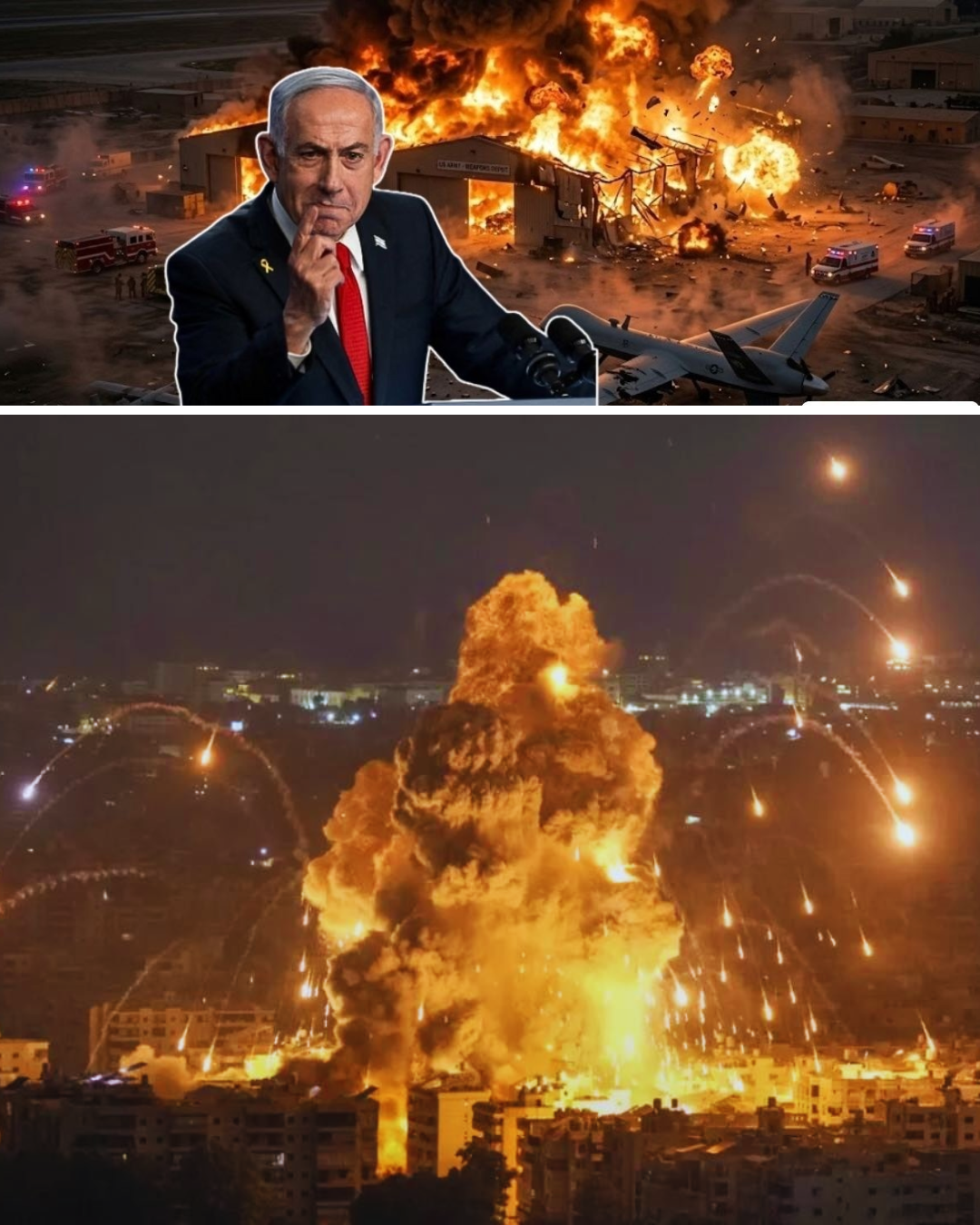
JERUSALEM / TEHRAN — Israel’s Ministry of Defense has signaled a transition into a new, more intensive phase of military operations against Iran. Following days of high-precision strikes, Israeli officials have declared their intent to “crush the octopus” by systematically dismantling Tehran’s nuclear and ballistic missile infrastructure, a move that has sent shockwaves through the global economy and triggered military realignments across the Gulf.
“Severing the Tentacles”: The Israeli Strategic Offensive
On March 3, Israeli Defense Minister Israel Katz announced that the Israel Defense Forces (IDF) had successfully executed a “decapitation” of key Iranian leadership structures and are now proceeding to neutralize the regime’s strategic assets. Speaking from the Kyria military headquarters in Tel Aviv, Katz described the joint U.S.-Israeli campaign—conducted under the leadership of President Donald Trump and Prime Minister Benjamin Netanyahu—as possessing “unprecedented scale, precision, and power.”
Since the initiation of the preemptive strikes on February 28, the Israeli Air Force has reportedly deployed over 2,500 munitions against more than 600 strategic targets within Iran. Katz emphasized that the operation will continue “as long as necessary” until Iran’s nuclear capabilities are fully neutralized and the threat to U.S. and Israeli forces in the region is eliminated.
Regional Retaliation and European Realignments
The conflict has rapidly expanded beyond the borders of Iran and Israel. In response to the death of Supreme Leader Ali Khamenei, Tehran has launched a series of retaliatory strikes against U.S. allies and assets in the Persian Gulf.
-
The UAE Front: Iranian drones reportedly struck fuel storage tanks in Abu Dhabi, while two Amazon data centers in the UAE were targeted, causing significant disruptions to cloud computing services across the Middle East.
-
French Military Response: Following a drone attack on a hangar at a French military facility in the UAE, France has deployed a squadron of Rafale fighter jets to secure its air and naval bases in the region. Foreign Minister Jean-Noël Barrot confirmed that French forces remain on “maximum alert.”
-
Kuwaiti Friendly Fire: In a chaotic exchange, U.S. Central Command (CENTCOM) confirmed that three American F-15E Strike Eagles were accidentally shot down by Kuwaiti air defenses. Fortunately, all six crew members ejected safely and are in stable condition.
Economic Shockwaves: The Energy Crisis
The European Central Bank (ECB) has issued a stern warning regarding the economic fallout of a prolonged Middle Eastern war. ECB Chief Economist Philip Lane noted that the disruption of the Strait of Hormuz—which facilitates 20% of global oil transit—is already pushing inflation higher within the Eurozone.
With Qatar temporarily suspending LNG production following Iranian strikes on its processing facilities, energy prices have spiked globally. Analysts from Berenberg Bank and Capital Economics warn that a sustained $15-per-barrel increase in oil prices could add up to 0.5 percentage points to Eurozone inflation, threatening the region’s fragile economic recovery and growth targets for 2026.
Global Ripple Effects: From South Korea to Mexico
The geopolitical tremors are being felt as far away as Southeast Asia. South Korean President Yoon Suk-yeol, currently on a state visit to Singapore, emphasized the need for “trusted partners” to navigate the security of global energy supply chains. Yoon has identified high-tech cooperation, particularly in Artificial Intelligence (AI), as a core pillar of South Korea’s future strategic partnership with ASEAN.
Meanwhile, in North America, archaeologists in Mexico have made a significant discovery: the 11th prehistoric skeleton found in a flooded cave system near Tulum. Dated back approximately 13,000 years, the find offers new insights into ancient burial rituals and the migration patterns of early humans from Asia across the Bering Strait.
A Precarious Horizon
As the international community monitors the “Epic Fury” of Washington and Jerusalem, the threat of an escalating environmental crisis also looms. Scientists warn that 2026 is on track to become the hottest year on record due to a potential return of the El Niño phenomenon, which could see global temperatures rise by an additional 0.2 degrees Celsius.
With major shipping routes rerouted around Africa and Tehran vowing “total war” against Western interests, the path toward regional stabilization remains fraught with danger. The next 24 hours are expected to see a “massive surge” in military operations, leaving the world to wonder if a diplomatic exit remains possible or if the Middle East is on the cusp of a catastrophic regional transformation.